








Top 10 Buenos Aires Things to Do and See for Unforgettable Experiences
Discover the top 10 must-see attractions in Buenos Aires for unforgettable experiences. Dive into the city's vibrant culture and plan your trip today!
Buenos Aires Things to Do and See: From Plazas to Parrillas
Buenos Aires isn’t just the capital of Argentina — it’s the city where tango spills into the streets, where cafés hum with late-night conversations, and where old-world architecture stands next to bold street art.
For many, it’s the cultural heartbeat of South America, and for digital nomads, it’s a place where inspiration shows up on every corner.
What makes Buenos Aires Argentina so compelling is its mix of layers. You can wander historic spots like Plaza de Mayo in the morning, set up your laptop in a leafy café in Palermo by afternoon, and find yourself eating steak in a buzzing parrilla by night.
Between work sessions, the city’s barrios — from colorful La Boca to bohemian San Telmo — keep the energy alive and approachable.
Here’s a quick taste of what you’ll find:
-
Political history around Plaza de Mayo
-
Colorful houses and football legends in La Boca
-
Sunday markets and antique shops in San Telmo
-
Modern riverfront living in Puerto Madero
-
Murals and street art scattered across the barrios
This guide to Buenos Aires will walk you through landmarks, cultural musts, and neighborhood rhythms — all with the eye of someone who knows the shortcuts and the local prices.
Whether you’re here for two days or two months, you’ll quickly see why this city leaves such a mark on travelers and nomads alike.

Iconic Sights in South America’s Cultural Capital
Some places in Buenos Aires Argentina are more than postcard stops — they’re the anchors of the city’s identity. If you’re mapping out a Buenos Aires itinerary, start with these cultural touchstones. They’re walkable, affordable, and each offers a different lens on the city.
Teatro Colón: A Stage Like No Other
Buenos Aires takes its opera seriously, and Teatro Colón is proof. Opened in 1908, it’s famed for near-perfect acoustics that musicians compare to a Stradivarius violin. You don’t need to be an opera fan to appreciate the marble staircases and gilt balconies — a guided tour (~$10–15 USD) gives you the highlights.
Performances start around $25 USD, and even a single ticket puts you in the company of one of the world’s great theaters.
Casa Rosada and Plaza de Mayo: Where History Happened

Every visitor passes through Plaza de Mayo, and with good reason. This square has been the stage for revolutions, protests, and presidential speeches. Facing it is Casa Rosada, the pink palace where Eva Perón once addressed the crowds.
A free walking tour helps unpack the stories behind the statues and buildings, from independence heroes to the Mothers of Plaza de Mayo who still march every Thursday.
Recoleta Cemetery: Beauty in Marble and Shadows
Calling it a cemetery feels too simple. Recoleta is a labyrinth of mausoleums, sculptures, and stained glass where Argentine history sleeps. Eva Perón’s tomb is the most visited, but wander further and you’ll find quiet lanes where ivy climbs over marble angels.
Entry is free, and local guides (~$8–10 USD) share stories of poets, generals, and scandals that make the place feel alive.
Landmarks to Add to Your Buenos Aires Itinerary
-
Caminito in La Boca — painted houses, tango on the sidewalks, and football lore
-
San Telmo Market and Plaza Dorrego — best on Sundays for antiques and food stalls
-
Waterfront walks in Puerto Madero, with the futuristic Puente de la Mujer
-
Murals and bold street art across Palermo Soho and Palermo Hollywood
These aren’t just boxes to tick. They’re the reference points that frame the rest of your stay — the plazas you’ll circle back to, the art you’ll spot echoed in side streets, the history that gives Buenos Aires its pulse.

Neighborhood Walks: Where to Explore and Wander
Exploring the barrios is the best way to visit Buenos Aires. Each historic neighborhood has its own rhythm — some quiet, some buzzing, all layered with local culture shaped by generations of Italian immigrants, artists, and families.
Whether you join Buenos Aires free walks or wander on your own, the city opens up block by block.
San Telmo Market and Plaza Dorrego
The San Telmo neighborhood is one of the oldest in Buenos Aires Argentina, and you feel it in the cobblestones. Sundays are the highlight thanks to the San Telmo Sunday Market, where antiques, art, and street food stalls fill every corner around Plaza Dorrego.
It’s equal parts flea market and street festival, with tango dancers performing between stalls. A coffee here costs around 500–700 ARS (~$1–1.50 USD), making it an easy stop even if you’re on a budget.
Palermo Soho and Palermo Hollywood
Palermo is split into creative corners, and both deserve a spot on any Buenos Aires itinerary. Palermo Soho leans trendy, with boutiques, cafés, and murals that make it a hotspot for street art. Expect to pay around 2,000–3,000 ARS (~$2.50–$4 USD) for a latte in one of the stylish cafés.
Just north, Palermo Hollywood is nightlife central, packed with cocktail bars and some of the city’s best restaurants. Guided Buenos Aires tours often include both, but wandering solo lets you discover your own favorite mural or wine bar.

Recoleta Neighborhood
Elegance is the calling card of the Recoleta neighborhood. Leafy plazas, museums, and the famous Recoleta Cemetery give this area its stately vibe.
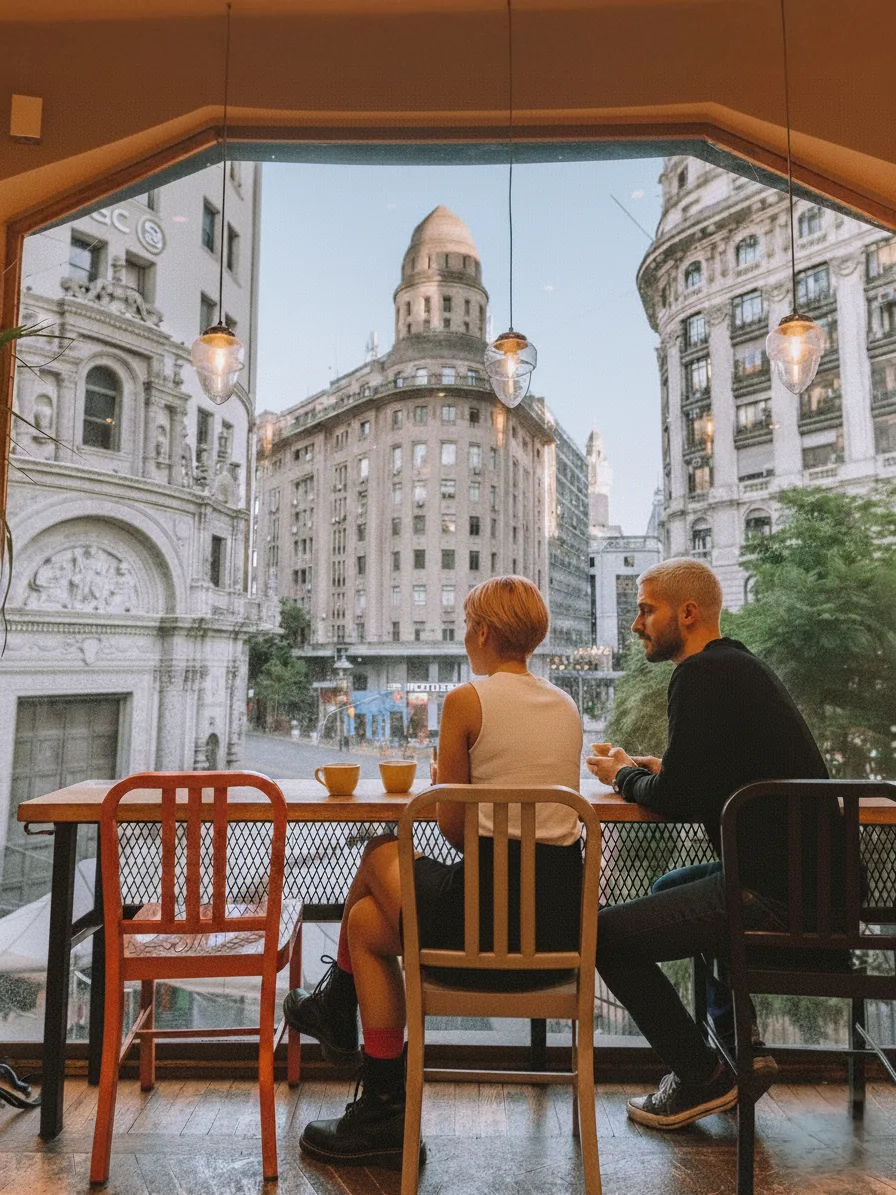
The highlight for many nomads is the chance to work from cafés that overlook old mansions or duck into El Ateneo Grand Splendid, a converted theater that now serves as one of the world’s most beautiful bookstores.
Museum entry fees hover around 1,500–2,500 ARS (~$1.50–$3 USD), while the cemetery remains free.
Puerto Madero Waterfront and Puente de la Mujer
If you want a change of pace, head to Puerto Madero. This riverside district is modern, polished, and home to the striking Puente de la Mujer, a bridge designed by Santiago Calatrava. The wide promenades here are ideal for an evening walking tour, and it’s one of the safest areas for night strolls.
Prices match the upscale vibe: dinner at the waterfront’s best restaurants starts at 10,000 ARS (~$12–15 USD).
Quick Neighborhood Highlights
-
San Telmo Market – antiques, tango, and street snacks
-
Palermo Soho – colorful murals and boutique cafés
-
Recoleta Cemetery – history carved in marble, free to enter
-
Puerto Madero – riverside walks and the Puente de la Mujer
Comparing Buenos Aires Neighborhoods
| Neighborhood | Vibe | Best For | Cost Anchors |
|---|---|---|---|
| San Telmo | Bohemian, antique, historic | Food tour, markets, tango show | Coffee ~500 ARS, snacks ~1,500 ARS |
| Palermo Soho | Trendy, artistic, creative | Street art, boutiques, café work | Lattes ~2,500 ARS, brunch ~6,000 ARS |
| Palermo Hollywood | Nightlife, bars, restaurants | Cocktails, world class restaurants | Dinner ~8,000–12,000 ARS |
| Recoleta | Elegant, leafy, cultural | Museums, Recoleta Cemetery | Museum entry ~1,500 ARS |
| Puerto Madero | Modern, riverside, upscale | Promenades, Puente de la Mujer | Dinner ~10,000 ARS+ |
| Exploring these barrios isn’t just sightseeing — it’s how you get a feel for the layers of Buenos Aires Argentina. From the antiques of San Telmo to the skyscrapers of Puerto Madero to the El Ateneo Grand Splendid, every corner adds a new thread to the city’s fabric. Each barrio has its own rhythm. Explore RentRemote's Buenos Aires neighborhood guides to see which barrio feels like home to you. |

Tango, Markets, and Street Life: Living Culture
One of the best reasons to visit Buenos Aires is that culture isn’t locked away in an art museum — it spills into the streets. From tango performances in plazas to a San Telmo Sunday Market that takes over the barrio, you’ll find living traditions that make this huge city feel personal.
Whether you’ve got a few hours or a full weekend, the mix of music, markets, and street life is what makes Buenos Aires Argentina unforgettable.
Tango Performances on a Walking Tour
Tango is everywhere — polished stage shows near the Plaza de la República, late-night milongas where locals dance tango, even small ensembles playing in souvenir shops or cafés. If you’re short on time, a walking tour through the city center often includes live tango dancers on street corners.
Tickets for full-scale theater productions can run $40–70 USD, while a night at a local milonga costs closer to $10–15 USD — a much easier way to save money and still feel the rhythm of Latin America.

San Telmo Sunday Market and Weekend Finds
Every Sunday, the cobbled lanes of San Telmo transform into one long weekend market. Around Plaza Dorrego, you’ll find antiques, handmade crafts, and plenty of street food. It’s as much performance as shopping: bands, tango dancers, and buskers create a rolling soundtrack.
Bring small bills; snacks like empanadas or choripán usually run under $3 USD. Even if you don’t buy a thing, to visit San Telmo on a Sunday is to see the entire city in miniature.
Feria de Mataderos: A Day Trip Into Gaucho Culture
If you’ve got a free Sunday and want something different, take a day trip out to the Feria de Mataderos. It’s part folk festival, part market, with gauchos showing off horsemanship, regional food stalls, and folk music.
You’ll find stalls selling leather goods, mate sets, and hearty empanadas. Entry is free, and it’s a crash course in Argentina’s countryside traditions without leaving walking distance of the Rio de la Plata.
Botanical Gardens and Hot Summer Days
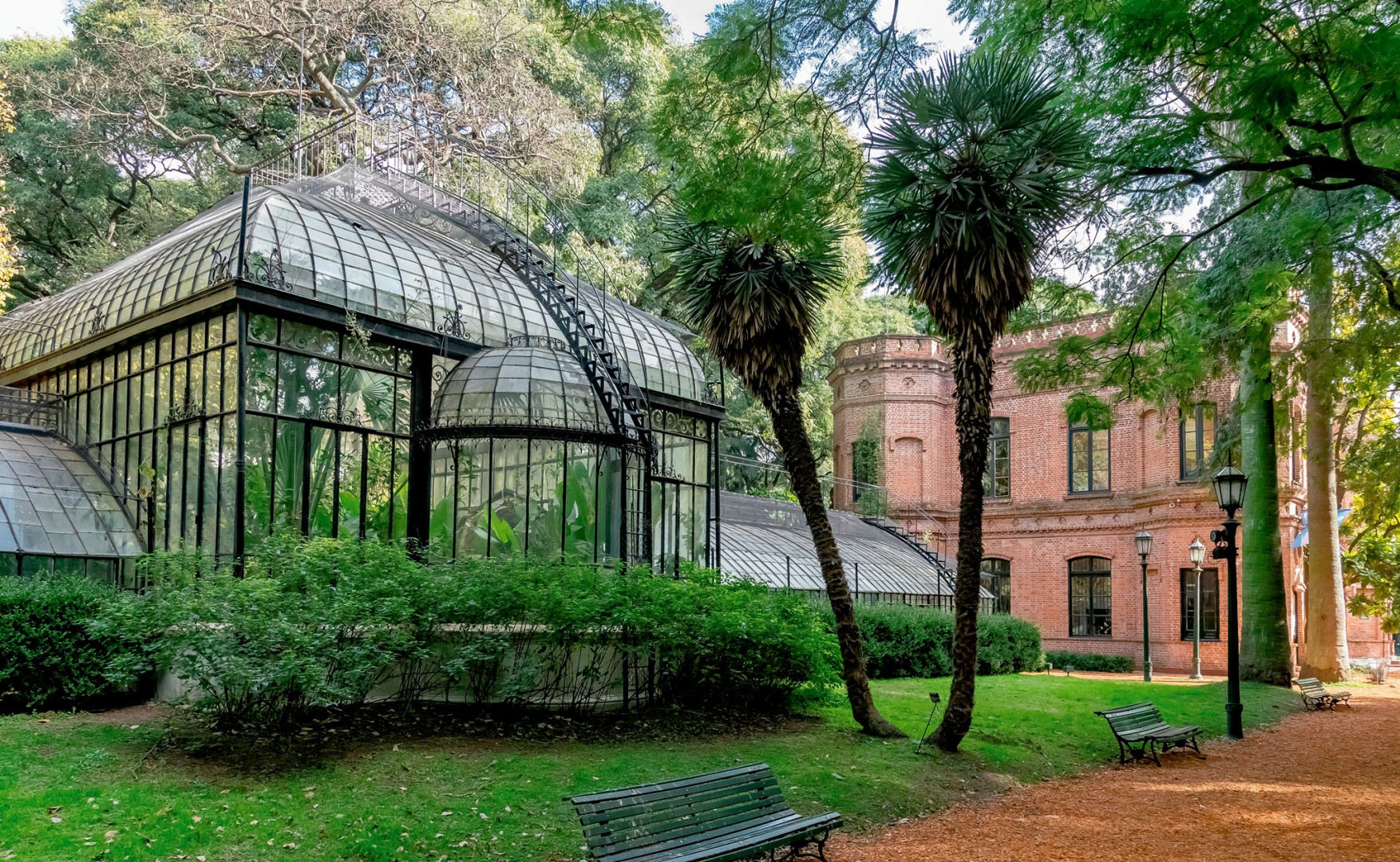
On summer days, head to the Botanical Gardens in Palermo. The Orto Botanico di Palermo with its shady paths, sculptures, and glasshouses make for a perfect break when the entire city feels overheated. It’s also free — ideal for nomads looking to recharge.
Bring a book (bonus points if it’s Dante’s Divine Comedy) and sit under the trees with the same sense of calm you won’t find in a theater.
Extra Cultural Highlights to Add to Your Buenos Aires Itinerary
-
Browse souvenir shops in La Boca, where color and football history collide.
-
Spend a quiet hour at El Ateneo Grand Splendid, a world famous bookstore inside a converted theater.
-
Join free tours down Avenida de Mayo, where grand architecture rivals any palace in Latin America.
-
Hop across the Rio de la Plata to Colonia del Sacramento for a cobbled Uruguayan escape.
Street life is the thread that ties Buenos Aires together. One moment you’re at a polished tango hall, the next you’re sharing mate in a plaza. For more on Argentina’s cultural traditions, explore our Buenos Aires travel guides crafted for the digital nomad lifestyle.

Food, Parrillas, and Café Culture
In Buenos Aires Argentina, food is woven into the rhythm of everyday life. Parrillas scent entire streets, cafés on Avenida de Mayo double as offices, and empanada stalls prove you don’t need much cash to eat well in South America. Meals here carry cultural significance — they’re slow, social, and deeply influenced by immigrant flavors that shaped the city.
Best Restaurants for Parrillas
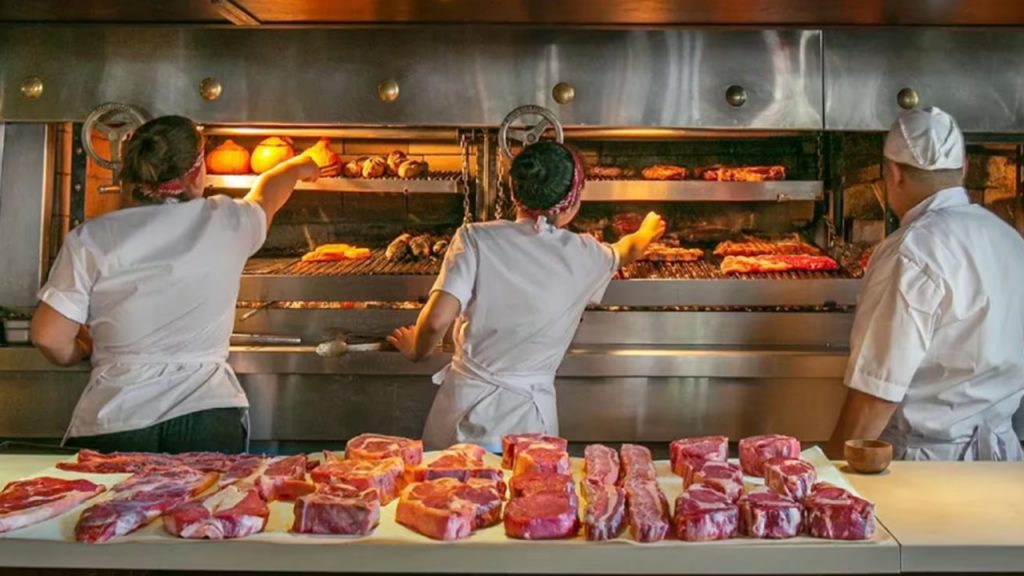
Parrillas are where you’ll taste the soul of the city. Cuts like bife de chorizo, ojo de bife, or morcilla usually come with papas fritas or provoleta. Expect to spend 8,000–15,000 ARS ($10–18 USD) for a full dinner.
-
Don Julio** (Palermo)** – consistently ranked among the world’s top parrillas, with wine pairings that live up to the hype.
-
El Desnivel** (San Telmo)** – a laid-back classic where the grill dominates the room.
-
La Brigada** (La Boca)** – beloved for its fútbol-themed décor and perfectly tender steaks.
Some spots near the government district even pair dining with a short tango show, proof that a meal here can be as theatrical as any performance.

Café Culture on Avenida de Mayo
The café scene, shaped by Italian immigrants, is one of the city’s proudest traditions. Along de Mayo, historic cafés serve cortados under chandeliers and marble counters on the ground floor, and no one will rush you if you linger a few hours. A coffee costs around 1,500 ARS (~$2 USD), making it an affordable workspace.
-
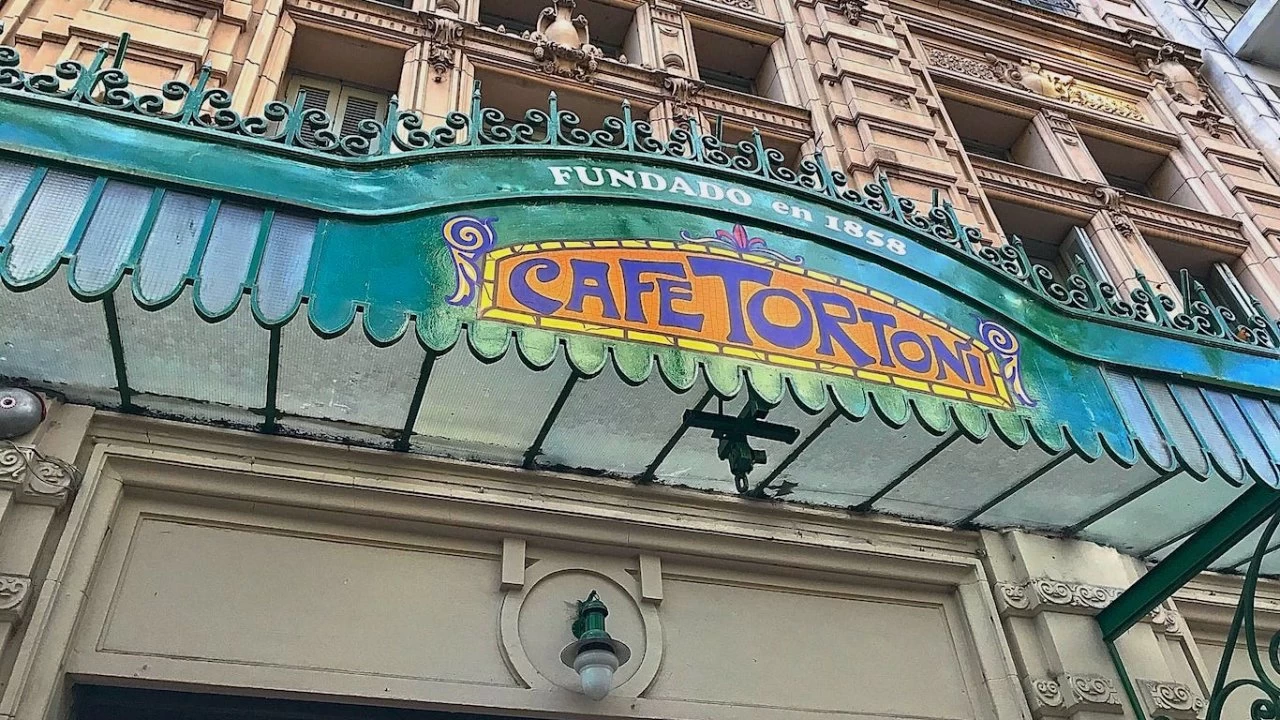
Café Tortoni – the grand dame, founded in 1858, often with queues but worth it once inside.
-
Las Violetas – elegant and bright, famous for pastries and stained glass.
-
London City – a literary café once favored by Julio Cortázar, still buzzing with laptops and locals.
Many also host live music or poetry nights, turning coffee into culture.
Budget-Friendly Street Food
Street corners and pizzerias keep things simple and cheap. Empanadas, choripán, and milanesas rarely cost more than $3 USD and are perfect between free walking tours or on a break from exploring San Juan or San Telmo.
-
Choripán on San Juan corners
-
Empanadas at the San Telmo weekend market
-
Pizza slices in La Boca before a football match
-
Menú del día lunch specials in microcentro (~$5 USD)
Quick Guide: Eating Out in Buenos Aires
| Experience | What to Expect | Average Price (USD) | Why It Matters |
|---|---|---|---|
| Parrilla | Steak, morcilla, malbec, sometimes a tango show | $10–18 | A ritual of meat and conversation |
| Café | Cortado, marble interiors, few hours with WiFi | $2–4 | Legacy of Italian immigrants, nomad-friendly |
| Street Food | Empanadas, choripán, pizza slices | $2–3 | Cheap, fast, delicious good |
| Cooking Class | Empanadas, asado, dulce de leche | $50+ | Hands-on lesson in latin culture |
| Eating here isn’t just about filling up. From parrillas near the Pink House to rooftop cafés with live bands, meals shape the rhythm of the entire city. For fellow travelers, food is the easiest way to connect — every bite adds another page to your Buenos Aires itinerary. |
Parks, Plazas, and Free Attractions
For nomads in Buenos Aires Argentina, balance is everything — and that includes balancing the budget. The city has no shortage of free escapes: leafy parks, plazas filled with music, and galleries offering rotating art exhibits. These are the moments that let you reset without spending much — perfect after long days of work in South America’s most energetic capital.
Bosques de Palermo with All the Highlights
Buenos Aires’ green heart is the Bosques de Palermo, a favorite for joggers, families, and anyone needing space to breathe. Spread across lakes, lawns, and rose gardens, it’s easy to lose track of time here.
-
Rose garden with 1,000+ varieties
-
Rowboats and shaded lawns
-
Bike rentals: ~2,000 ARS ($2.50 USD) per hour
Pack delicious food from all the restaurants nearby and make a day of it.
Plaza Dorrego and the Chance to Dance Tango
Sundays in Buenos Aires come alive in Plaza Dorrego. Antique stalls cover the square, while couples gather to dance tango right on the cobblestones. The vibe is festive, with cafés and bars adding live music to the mix.
It’s free, spontaneous, and one of those snapshots of the city that stick with you long after you leave.
Free Museum Days and Art Galleries
Museums here open their doors regularly, proving culture doesn’t have to be expensive.
-
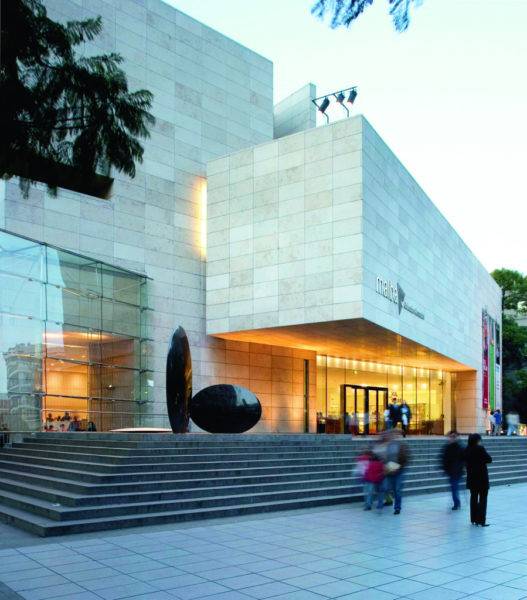
MALBA** (Museum of Latin American Art)** – free or discounted entry on Wednesdays
-
National Museum of Fine Arts – always free
-
Recoleta Cultural Center – rotating free shows and galleries
-
Neighborhood galleries with weekend open houses
Most are easy to reach by direct train from the city center. Check their websites for all the details before you go.
Cooking Class or Park Picnic?
Not everything in Buenos Aires has to be expensive. A picnic in the Bosques de Palermo with empanadas or choripán is a classic way to enjoy the city’s green space for free. For something more hands-on, a cooking class will set you back around $50 USD — but it gives you the chance to fold empanadas, grill asado, and finish with dulce de leche desserts.
If you’re trying to stick to a budget, keep an eye on cultural centers or weekend fairs like Feria de Mataderos. They often host free food demonstrations — not full cooking classes, but still a fun way to learn recipes and pick up local kitchen tricks without paying for the full experience.
Quick Comparison: Free and Low-Cost Spots in Buenos Aires
| Attraction | What to Expect | Cost | Why It Matters |
|---|---|---|---|
| Bosques de Palermo | Lakes, rose garden, shady lawns, bike rides | Free / $2.50 bike | Green escape in the middle of the city |
| Plaza Dorrego | Market stalls, tango in the open air | Free | Weekly festival atmosphere, dance tango |
| MALBA | Latin American art, modern exhibits | Free/discount days | Access to top art at no cost |
| National Fine Arts Museum | Masterpieces, rotating art exhibits | Always free | Culture for everyone |
| Recoleta Cultural Center | Contemporary shows, performances | Free | Creative hub with changing programs |
| La Boca streets | Murals, galleries, delicious food stalls | Free to wander | Colorful neighborhood energy |
| Exploring Buenos Aires this way shows how much of the city opens up without a ticket price. From tango in plazas to museum days packed with highlights, you’ll never run out of ways to keep your days full and your budget intact. |
And if you’re thinking of putting down roots while you explore more, RentRemote’s fully furnished apartments in Buenos Aires designed to make the digital nomad life easy. No more kitchen tables for office spaces.
Short Stays: What to Do in 2–3 Days
Only have a couple of days in Buenos Aires Argentina? You can still cover a lot of ground if you balance icons with downtime. Think of it like a National Geographic highlight reel — plazas, neighborhoods, a little green space, and a nightcap on a rooftop bar. Here’s how to make the most of 48–72 hours.
Day 1: Plaza de Mayo to Recoleta
Start at Plaza de Mayo, where Casa Rosada and centuries of political drama set the tone. From there, stroll past historic avenues before heading to the Recoleta neighborhood.
The famous cemetery is free to enter and worth an hour or two — ornate tombs, sculptures, and history layered in marble. In the evening, grab a drink on a rooftop bar to watch the skyline turn golden.
Day 2: Palermo Parks and Café Breaks
Dedicate your morning to Palermo’s green space. The Bosques de Palermo is perfect for jogging, strolling, or simply people-watching. Afterward, dive into Palermo Soho’s cafés — laptop-friendly, stylish, and great for working between sightseeing stops.
At night, book a tango show or wander into a milonga for a more intimate feel.
Day 3: San Telmo Market and Teatro Colón
Sundays are best for San Telmo. The market spills through cobbled streets, full of antiques, crafts, and street performers keeping the energy lively. Afterward, head back toward Teatro Colón.
Guided Tours run daily (~$10–15 USD) if you can’t catch a performance, and it’s a perfect finale to your compact trip.
Bonus Stops if You Have Time
-
Colorful Caminito in La Boca — bold façades and football lore
-
Stroll the Puerto Madero waterfront — modern, sleek, easy to explore in under an hour
Even with just two or three days, you’ll get both icons and everyday energy: historic plazas, leafy parks, vibrant markets, and modern riverfronts.
The trick is to balance sightseeing with small pauses — a café in Palermo, a tango night, or a walk by the Puerto Madero waterfront. That mix is what makes a short stay in Buenos Aires feel full.

Wrap-Up: Why Buenos Aires Belongs on Your List
Few cities in the world layer history, nightlife, food, and neighborhood life the way Buenos Aires does. One moment you’re tracing political stories in Plaza de Mayo, the next you’re tasting steak in San Telmo, or wandering past street murals in La Boca.
For digital nomads, the appeal runs even deeper. Between coworking-friendly cafés, sprawling green parks, and easy day trips, the city offers endless ways to fill downtime without losing focus on work. It’s both stimulating and practical — a rare mix in South America.
Buenos Aires has the energy of a capital but the soul of a local plaza — perfect for staying productive while exploring.