








Exploring Buenos Aires' Countryside: The Best Estancias to Visit
Explore the charm of the Buenos Aires countryside with our guide to the best estancias to visit. Discover authentic experiences and book your escape today!
Exploring the Buenos Aires Countryside: Escapes, Stays, and Nomad Living
Why the Buenos Aires Countryside is Worth Your Time
Buenos Aires is famous for its nightlife and cafés, but head just an hour outside the city and you’ll discover a different rhythm. The Buenos Aires countryside in the province is where gauchos ride horses across endless plains, where families open their doors to tourists, and where city noise gives way to pure relax. For many, this area is the birthplace of Argentina’s rural traditions, and it still feels alive today.
What Makes It Special
Life here accompanies you at a slower pace. Think asados in the open air, a glass of Malbec under the stars, and stories told in a mix of Spanish and gestures. For nomads, it’s not just about tourism — it’s a reset button, romantic in its simplicity, and surprisingly affordable compared to the city.
- Spend a night at the best estancias (expect $80–150 USD per night, meals included).
Base yourself in Buenos Aires for work, then plan weekend countryside escapes when you need balance.

Where to Go in Buenos Aires Province: The Best Estancias, Rivers, and Weekend Wine Escapes
Just a few hours from Buenos Aires, the world softens. Roads stretch into the pampas, where estancias sprawl across flat land, gauchos still ride, and the rhythm of Argentina’s rural life continues much as it has for centuries. Whether you're here for the riding, the wine, or the chance to breathe deeply under an open sun, this loop of nearby getaways is equal parts scenic and soul-restoring.
San Antonio de Areco: Gaucho Experience on the Pampas
Few places speak to the birthplace of gaucho culture like San Antonio de Areco. Cobbled streets lead to silversmiths, horse pastures, and clay ovens warming up for the midday asado.
-
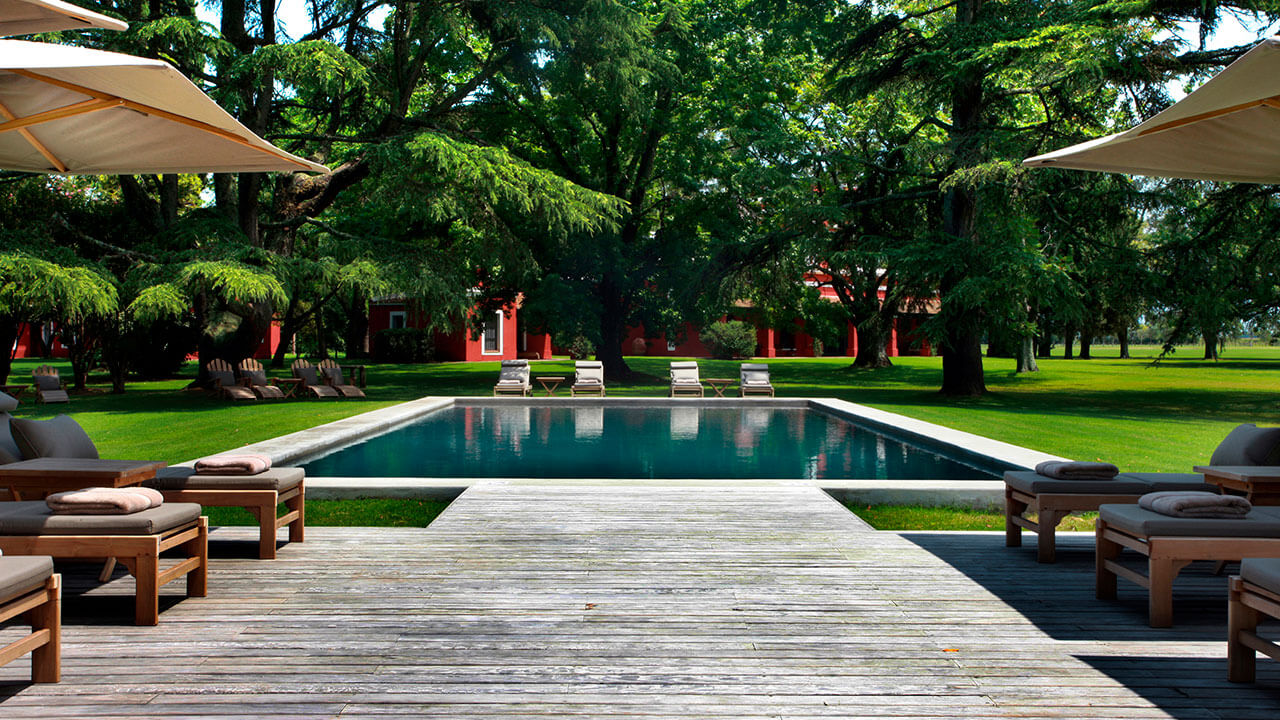
For a polished experience, La Bamba de Areco offers an elegant chateaux property stay: think horse taming displays, polo lessons, and tranquil grounds framed by jacaranda trees.
-
Most visitors opt for a día de campo (~US$70–100), which includes riding, music, and a grilled meal worth the trip.
-
For overnights, a luxury estancia starts around US$200, depending on the property and season.
The town itself hosts heritage spots like the Museo Gauchesco Ricardo Güiraldes, but the real show is outside—on horseback, across the quiet, waving grass.
Tigre Delta: Bird Watching, Canals, and Rustic Lodges
An hour by train from the capital (~US$2) brings you to something unexpected: an inland water maze lined with stilt homes, rowing clubs, and wooden docks.
-
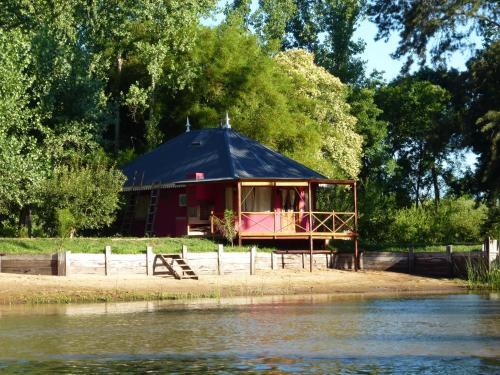
Kayaks float past reeds and shuttered old spas, while flat-bottomed boats head for distant islands.
-
Stop by Puerto de Frutos for weekend crafts, then stay overnight in a rustic eco-lodge with riverside hammocks and morning bird watching.
It's a reset with motion built in—best enjoyed slowly, preferably barefoot. Read everything you need to know about a day trip to Tigre on RentRemote's Buenos Aires Tigre Travel Guide.
Luján: Basilica Visits and Quiet Ranch Stays
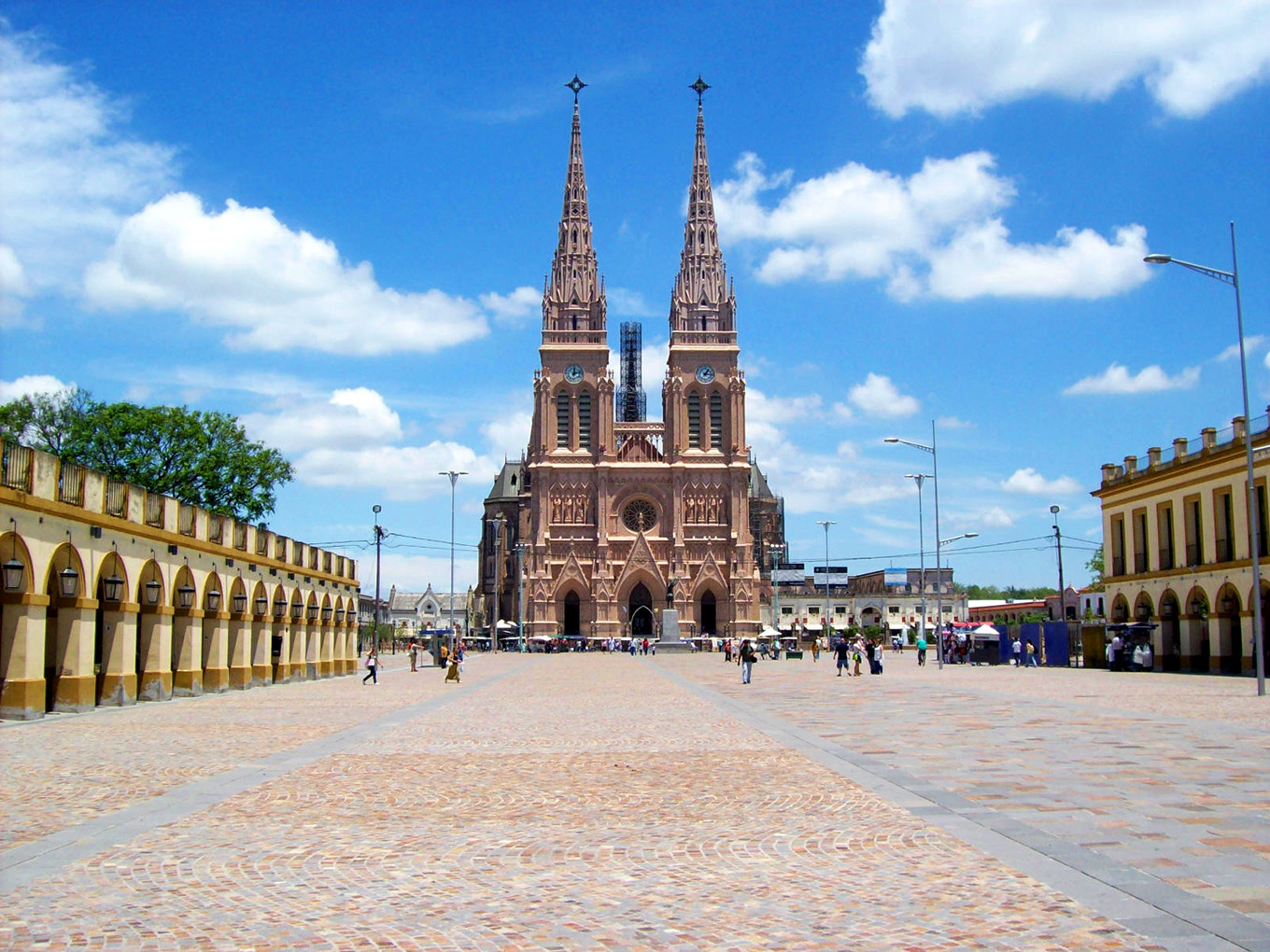
Known for its towering basilica, Luján is a destination for both pilgrimage and peace. The plaza cafés accompany a steady stream of visitors, offering empanadas and steady WiFi.
-
Accommodation is simple but warm: often ranch-style houses just off the center, with home-cooked breakfasts and midday shade.
-
For a brief, grounded stop, it’s the right mix of local life and quiet corners.
Wine and Space Near Buenos Aires: Boutique Vineyards and Slow Afternoons
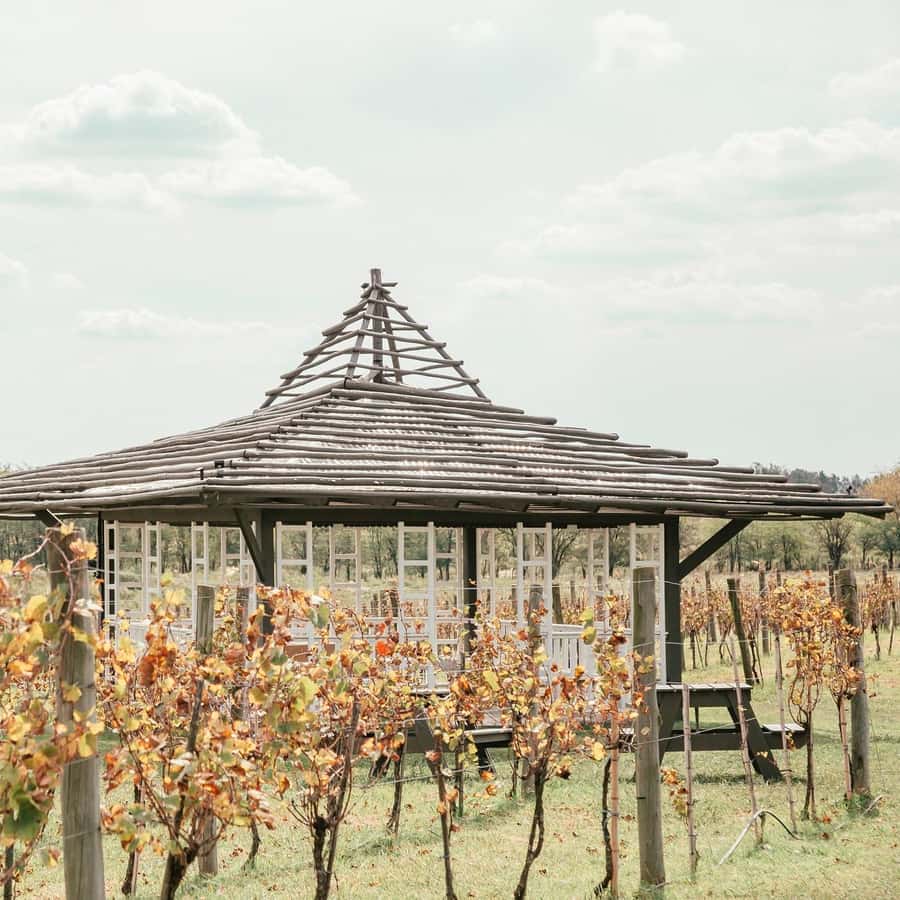
Skip Mendoza for now. In Buenos Aires province, just beyond the suburban ring, small vineyards in Campana and Pilar deliver the essentials: quiet, sunlight, and good Malbec.
-
Bodega Gamboa in Campana is a favorite: tastings, olive oil pairings, and a swimming pool that overlooks the vines.
-
Most stays fall between rustic guesthouses and boutique hotel charm. Some properties offer desk setups, but don’t count on great WiFi between pours.
It’s wine country with a commuter train back to the city, if you time it right.
What the Best Estancias Usually Include
-
Guided horseback rides across open land
-
Traditional sport like polo or cattle work (demonstrations or lessons)
-
Multi-course meals served under shade trees
-
Peaceful grounds that hold nothing but birdsong and breeze
Whether it’s the estancias of San Antonio de Areco, the quiet rivers of Tigre, or the vineyards outside Campana, the landscapes beyond Buenos Aires offer more than a break—they offer rhythm. Slow mornings, traditional meals, and open skies are all within reach.

Things to Do Around Buenos Aires Estancias: From Polo to Parrillas
The appeal of the Argentine countryside isn’t just in the landscape—it’s in the rituals. Slow afternoon rides, open-fire barbecue, and long shadows on wide grounds all carry a different kind of rhythm.
And whether you’ve come for horses, wine, food, or just a chance to relax, the province delivers in quiet, deliberate ways.
La Bamba de Areco, Estancia Villa María, and Other Estancias Worth a Visit
Some of the most estancias in Buenos Aires feel more like preserved histories than working ranches—but that’s the charm. You’ll find sprawling properties, gauchos on horseback, and meals that stretch for hours under the trees.
-
La Bamba de Areco blends heritage with luxury. This restored chateaux property near San Antonio de Areco offers private suites, curated polo lessons, and candlelit dinners in the old house.
-
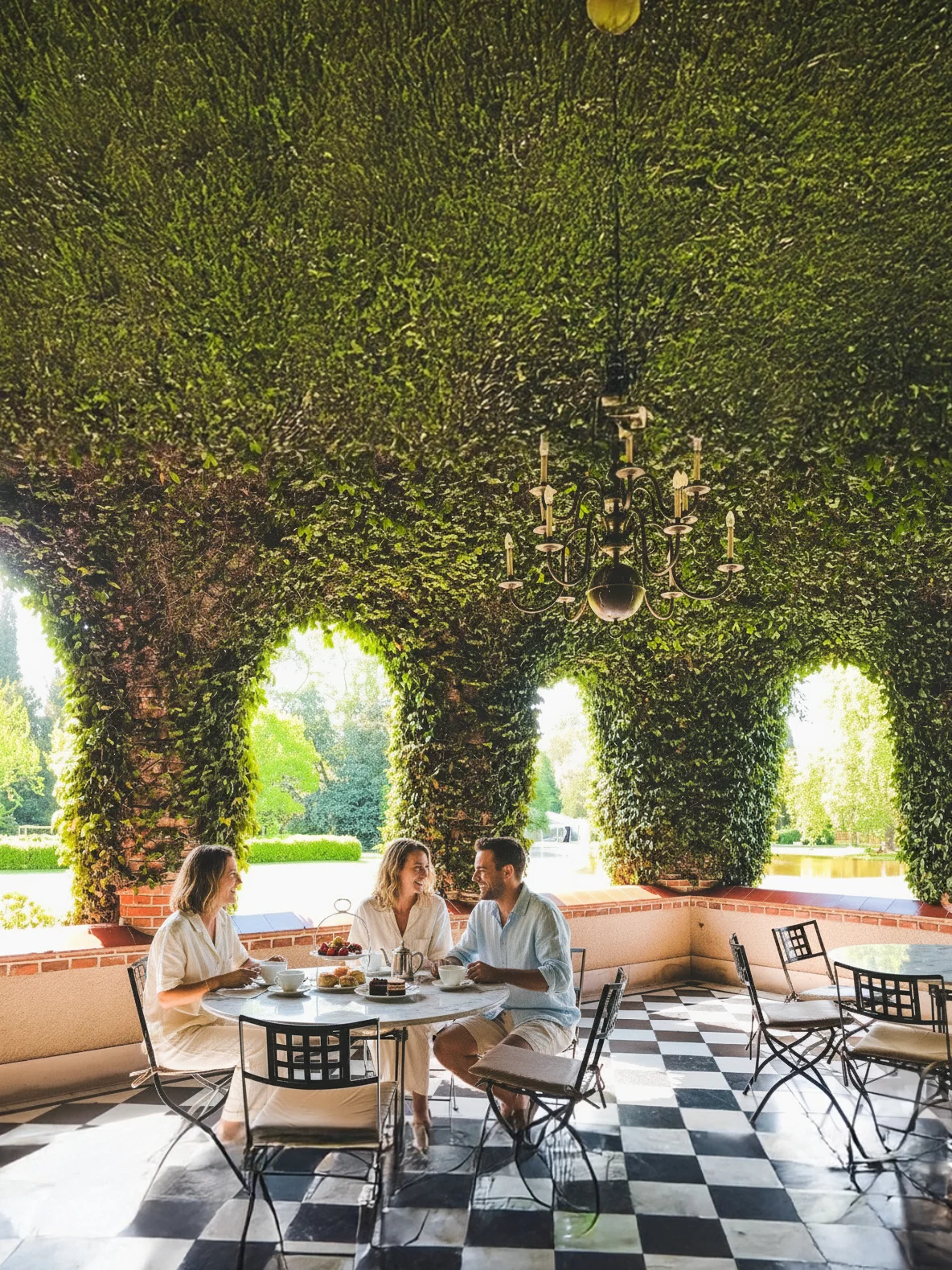
Estancia Villa María, in Ezeiza, feels like a piece of Europe tucked into the pampas—a beautiful property with old oaks, high tea service, and optional riding.

-
Estancia La Bandada, southwest of the city, is smaller and more personal—popular for group getaways and cooking classes during summer and winter months.
Expect day visits to start around US$80 (often accompanied by asado and guided activities), with stays ranging from US$180–300 depending on the property and season.
Horses, Gauchos, and the Open Pampas
Horseback riding is central to the gaucho experience, and many Buenos Aires estancias build their schedule around it. Morning rides, mate breaks, and evening show rounds are typical.
-
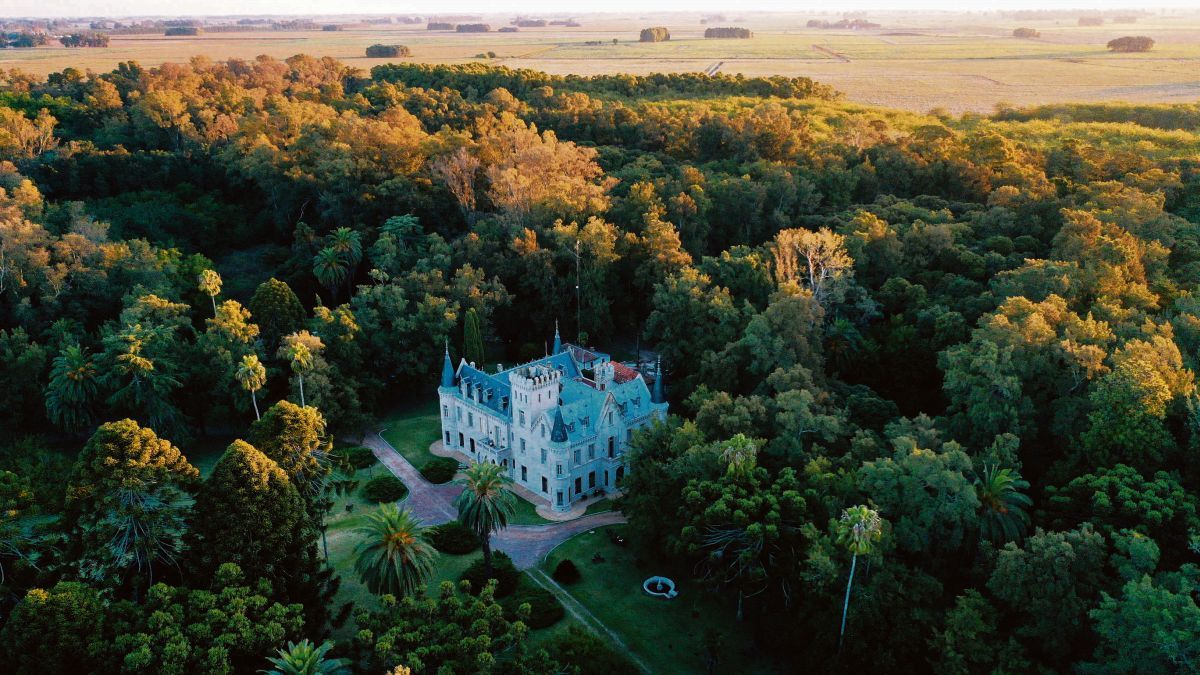
Estancia La Candelaria, near Lobos, is a great pick for seeing gaucho games or staying overnight in turreted rooms.
-
Some estancias even offer beginner-friendly polo lessons—ideal if you want a taste of the sport without committing to the boots.
This isn’t tourist theatre—it’s the local tradition, running on its own time.
Markets, Gastronomy, and Post Lunch Wanderings
In places like San Miguel del Monte and Areco, you’ll still find weekend markets where crafts, leather goods, and woven ponchos hang beside garden tools and local jams.
Food, unsurprisingly, is a central draw. You’ll see tourists and locals sharing long wood tables, especially during September harvest festivals or around public holidays.
-
A typical parrilla meal (starter, grilled meat, dessert, wine) runs about US$15–25.
-
Some estancias offer cooking demonstrations or dulche de leche workshops on request.
If you time it right, you’ll settle into your seat just as the sky turns the ranch gold.
A Few Favorite Experiences to Explore:
-
Take a gaucho-led horseback ride on a working ranch
-
Book a half-day wine tasting at Estancia Villa María
-
Swim in the swimming pool at La Bandada between courses of steak and salad
-
Browse artisan leather belts in San Miguel del Monte
-
Try a game of wooden-mallet polo at La Candelaria
City life might keep you moving, but the province is where Argentina invites you to slow down and soak it all in.

Estancia Villa Maria, La Candelaria, or Estancia La Bandada: Should You Stay Overnight or Day-Trip from Buenos Aires?
Not every getaway outside Buenos Aires needs an overnight bag — but some are absolutely better with one. Between train-accessible spots like San Miguel del Monte and full-service retreats like Estancia Villa María, you’ve got options.
It just depends on how much time you’re giving the province, and how much quiet you’re hoping to bring back with you.
Day Trips for Speed, Simplicity, and That Back-by-Dinner Feeling
If you’ve only got a few hours, stick to places like La Candelaria or Luján. Both are easy to reach and built for quick escapes.
-
Luján has its famous basilica, small museums, and a few charming restaurants where you can grab lunch and make it back to your apartment before evening.
-
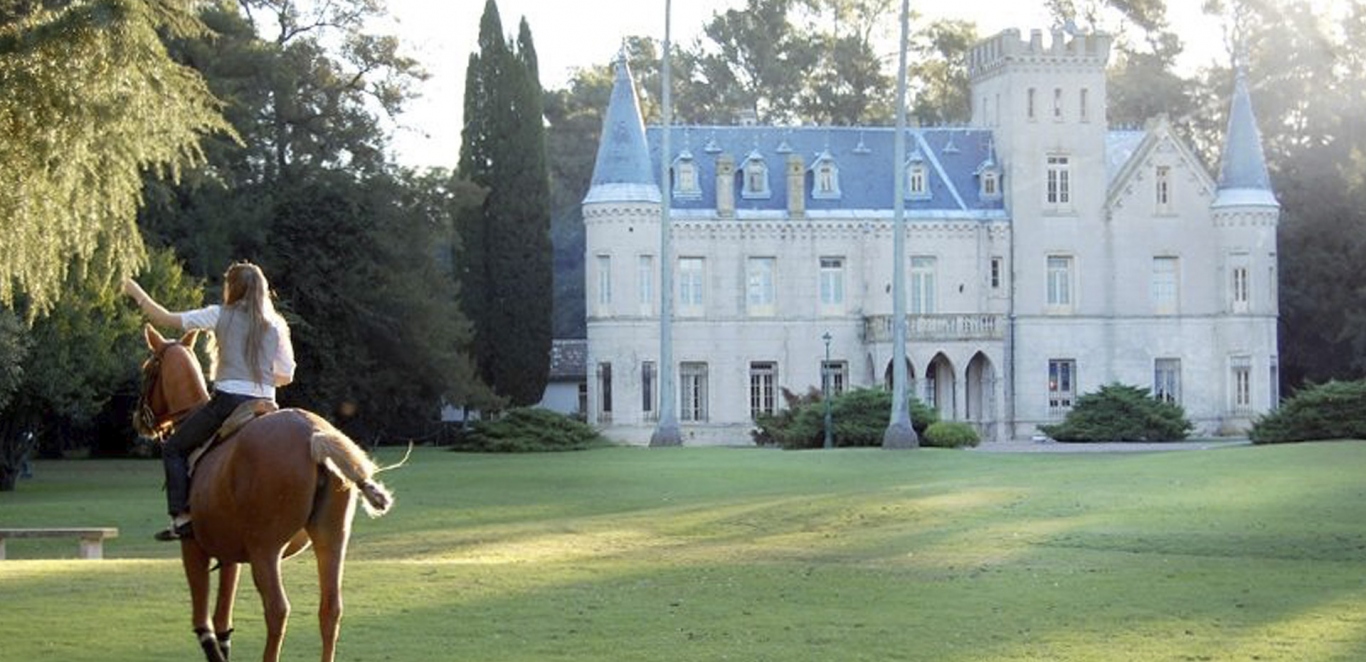
La Candelaria, in San Miguel del Monte, offers afternoon shows with horses, asado-style lunches, and guided grounds tours — ideal if you’re craving a fast visit with lots of flair.
Expect to spend around US$50–70 for a day pass, including food and access to activities.
Overnight Stays: More Quiet, More Comfort, and Fewer Crowds
The air smells better after 6 p.m., and the best parts often start once the buses leave. If you’re staying at an estancia, sleeping over is when it shifts from entertainment to something real.
-
Estancia Villa Maria is ideal if you’re looking for the full luxury estancia feel — think beautifully decorated rooms, long walks on wooded grounds, and afternoon tea in a manor house that wouldn’t look out of place in Europe.
-
Estancia La Bandada offers something more relaxed and rural, with dogs wandering through the grass and dinners that run into the stars.
-
Most overnight stays include breakfast, full meals, and seasonal touches (like bonfires in winter, or picnic-style dinners in September).
Here’s what to expect for pricing:
-
Estancia stays: ~US$80–150 per night (usually all-inclusive)
-
Boutique B&Bs: ~US$50–90 per night
-
Rural rentals: Airbnb-style stays dip lower during off-season weekdays
When Overnights Are Worth It
-
You want time to relax before and after meals
-
You’re arriving in the afternoon, not morning
-
You’re looking for true rest, not just a change of view
-
You want to be the only guest on the grounds after 5 p.m.
If you’ve got time, stay overnight — the country truly shifts when the last van leaves. Between the stillness, the stars, and that early morning breakfast, it’s a version of Argentina that few tourists get to see.

Horseback Riding, WiFi, and Quiet Mornings: What It’s Like Living Outside Buenos Aires as a Digital Nomad
Getting out of Buenos Aires doesn’t have to mean disappearing off the grid. If you’re the kind of traveler who prefers long walks, longer silences, and work blocks with zero distractions, settling in somewhere outside the Autonomous City for a week or two might be exactly the move.
In many parts of the province, you’ll find that fewer horns, better light, and slow evening energy are just as productive as strong coffee.
Where to Work: Cafés, Rentals, and That One Table with the Outlet
In Argentina, remote work culture is still evolving beyond the city and major towns—but there are plenty of spots that work surprisingly well.
-
In San Antonio de Areco, a few central cafés like El Tokio or Boliche Bessonart serve decent espresso and stable WiFi (ask for the corner table by the window).
-
In Pilar, larger cafés and rental properties near the university zone often come with good speeds and weekday calm.
-
Tigre has some charming Airbnb-style island cabins, but note: connectivity varies—sometimes there’s fiber, sometimes there’s your mobile hotspot.
Pro tip: always confirm speed with the host before booking, especially if your arrival date is close to a heavy meeting week.
Who This Works Best For
You’ll do well here if you’re after rest and focus rather than stimulation. No coworking chains, no networking mixers. Just space. Horses in the next field. A longer lunch. Room to think.
Here’s what you’re trading (and what you’re gaining):
The Pros
-
Lower prices than a central hotel or shared flat in Buenos Aires
-
Mornings with light, air, and very few notifications
-
Easier to settle into a deep work sprint
-
Better connection to tourism rhythms (you’re living nearby, not passing through)

The Cons
-
WiFi is stable, but not always fast
-
Fewer services nearby (some areas close early in the evening)
-
No coworking culture—you're on your own for office chairs and back support
What It Feels Like
Most remote nomads here take a week in places like Areco, Tigre, or the country edge of Pilar. It’s less about sightseeing and more about pausing. You’ll notice it in September, when afternoons are warm but the air’s light. Or during horseback riding at dusk, when the sun folds over the trees and your screen is already closed.
Ideal for those seeking focus weeks, seasonal resets, or time away from the energy of the Buenos Aires City — without giving up work rhythm entirely.
Practical Tips for Exploring the Buenos Aires Province
Exploring the Buenos Aires province is surprisingly straightforward, especially if you plan your arrival with a bit of flexibility and keep expectations rural. You’re not going to need hiking boots or fancy gear—but you will need some pesos, a stable connection, and the willingness to go a little slower.
Whether you’re stepping off a train or renting a car from Ezeiza International Airport, most digital nomads find the logistics refreshingly manageable.
Getting Around: Trains, Buses, and Rental Cars
Most of the destinations near Buenos Aires are built for weekend travel, and the transit system reflects that.
-
Tigre is just under an hour by commuter rail from Retiro station. The bus ticket equivalent is about US$2.

-
Luján runs on a regional bus system. Tickets typically cost US$5–8 depending on time and operator.
-
If you're heading toward less connected areas like San Miguel del Monte or planning to fit multiple stops into a weekend, consider a rental car. Expect ~US$40–60/day.
-
Local driving isn’t complicated, but small roads can get dusty or muddy during September rains—plan accordingly.
When to Go: Weather and Seasonal Details
The province generally runs mild, but timing matters.
-
Spring (October to December) is ideal—flowers bloom, horses trot, and outdoor tables come back to life.
-
Autumn (March to May) has lower tourism pressure and gold-toned afternoons, perfect for a midweek escape.
-
Summer can hit above 90°F (32°C) and estancias may feel quieter (some close or reduce activities).
-
Winter is chilly but doable—pack layers and expect early sunsets.
Budget Basics: What to Expect
Staying outside the capital often costs less, but prices vary by experience level.
-
Day passes at estancias usually range from US$50–80, with horses, a traditional asado, and a performance or tour included.
-
A hotel near Areco or Pilar costs ~US$50–90 per night for a midrange room with private bath.
-
Casual meals (without the frills) run ~US$10–15, especially if you're near a main square.
-
Tipping is optional, but rounding up is appreciated.

Quick Tips Before You Head Out:
-
Carry cash — many rural spots don’t take cards, especially during local festivals or in smaller restaurants
-
Ask about WiFi before you book; speeds vary
-
Avoid late-night travel — most buses wind down after 9 p.m.
-
If you're renting a car from Ezeiza International Airport, confirm hours ahead — some desks close early
-
Weekdays are quieter; plan your visit midweek for more space and fewer crowds
A little planning goes a long way—pack light, bring backup cash, and sort your transit before you go. That way, you’re free to enjoy the horses, siestas, and slow rhythm of life that make the Argentine province worth every detour.
Thinking of making Buenos Aires your base? Check out our travel guides for local tips on where to stay, work, and settle in before heading out to explore the province.
Why Exploring Beyond Buenos Aires Makes the Trip
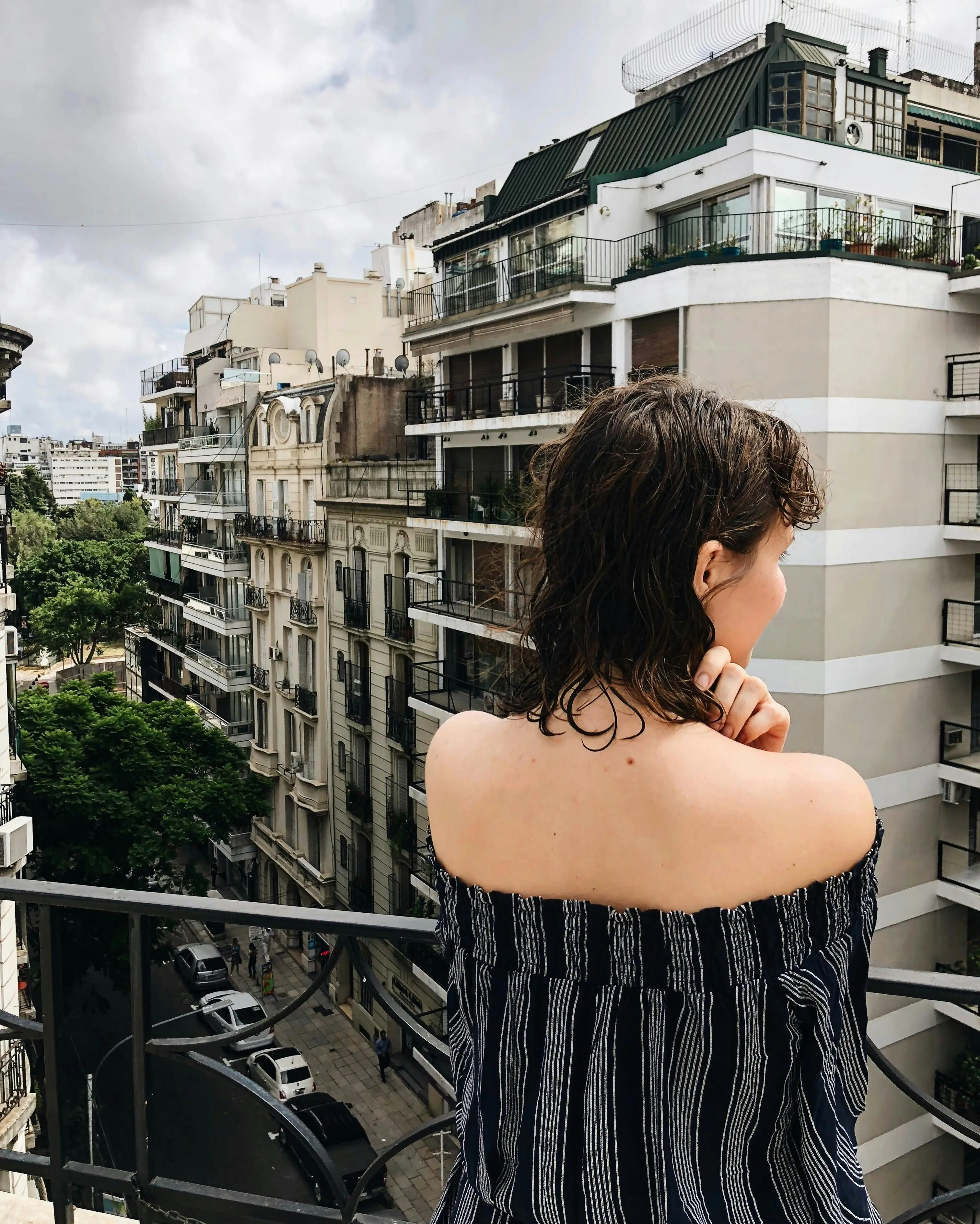
Buenos Aires has its rhythm—fast, expressive, full of contrast. But step just beyond the Autonomous City, and the pace shifts. You go from midday espresso to open-air quiet, from crowded subte rides to the clip of horses crossing open land.
For many travelers in Argentina, mixing urban weeks with rural weekends isn’t just a nice idea—it’s how you stay grounded. It’s the balance between energy and rest, between calls and rides, between Recoleta cafés and the morning stillness near Pilar.
This contrast is part of what makes Argentina feel expansive, layered, and—at times—more like a patchwork of worlds than a single destination. In some ways, it echoes parts of Europe, but with its own unmistakable pace and edge.
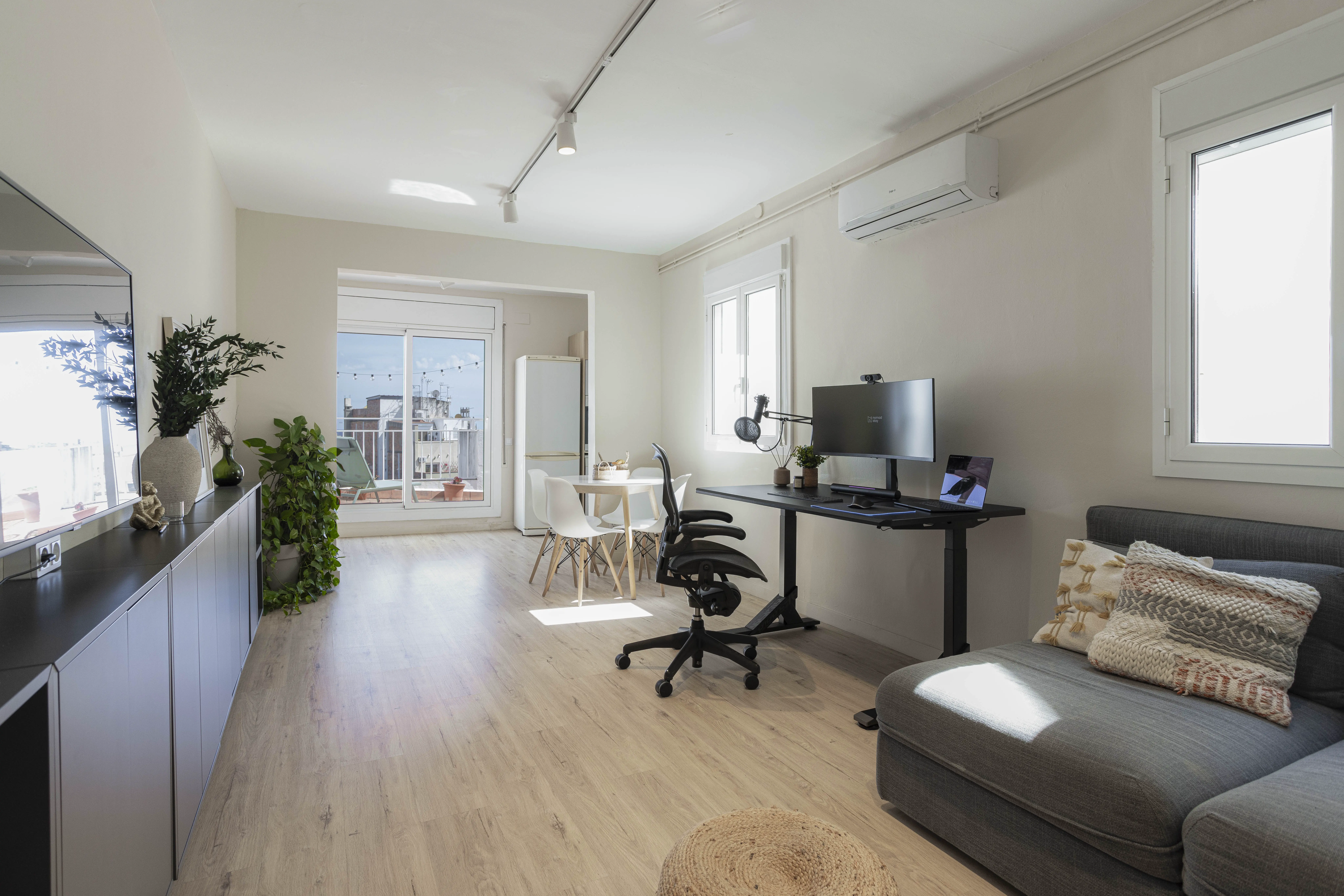
The best way to enjoy both sides of Argentina? Stay in Buenos Aires, where RentRemote has fully equipped remote-friendly apartments in Buenos Aires— and the Argentina's picturesque rural landscapes are just a short ride away by bus or train.