







Adventurous Travelers in Buenos Aires: Things to Do for Thrill Seekers
Discover the top 10 thrilling activities in Buenos Aires for adventure seekers. From extreme sports to urban explorations, find your next adrenaline rush!
Adventurous Things to Do in Buenos Aires: Hidden Thrills Await
Think Buenos Aires is all steak and sultry tango? That’s just the tip of the chimichurri-covered iceberg. This city is bursting with bold, unforgettable energy—where history meets thrill, and art lives on rooftops. It's the kind of place where you can dance until sunrise in San Telmo, then kayak through quiet canals by noon.
Want the inside scoop on Buenos Aires hidden gems? This guide isn’t your average list. We're talking rooftop tango, street art rides, and wild night crawls across La Boca and beyond.
Here’s where to spend your trip like a local who craves adventure.
In this guide, you’ll explore:
-
The boldest street art tours in Buenos Aires Argentina
-
Real-time thrills (hello paragliding)
-
Unexpected day trips that rival Perito Moreno Glacier awe

Outdoor Adventures in Buenos Aires: The Inside Scoop on Nature and Thrills
Sure, Buenos Aires is known for tango and cafés—but if you’re craving wind-in-your-face, sweat-on-your-shirt kind of fun, this part of South America delivers. From Puerto Madero to the southern fringe of the city, you’ll find unique things to do that push you off the tourist treadmill and deep into the local rhythm.
Whether you're looking to explore Buenos Aires on two feet, two wheels, or midair, these beaten path adventures bring you the other side of Buenos Aires Argentina—one where you breathe harder and look up more often.
Explore Hiking Trails Just Minutes from Puerto Madero
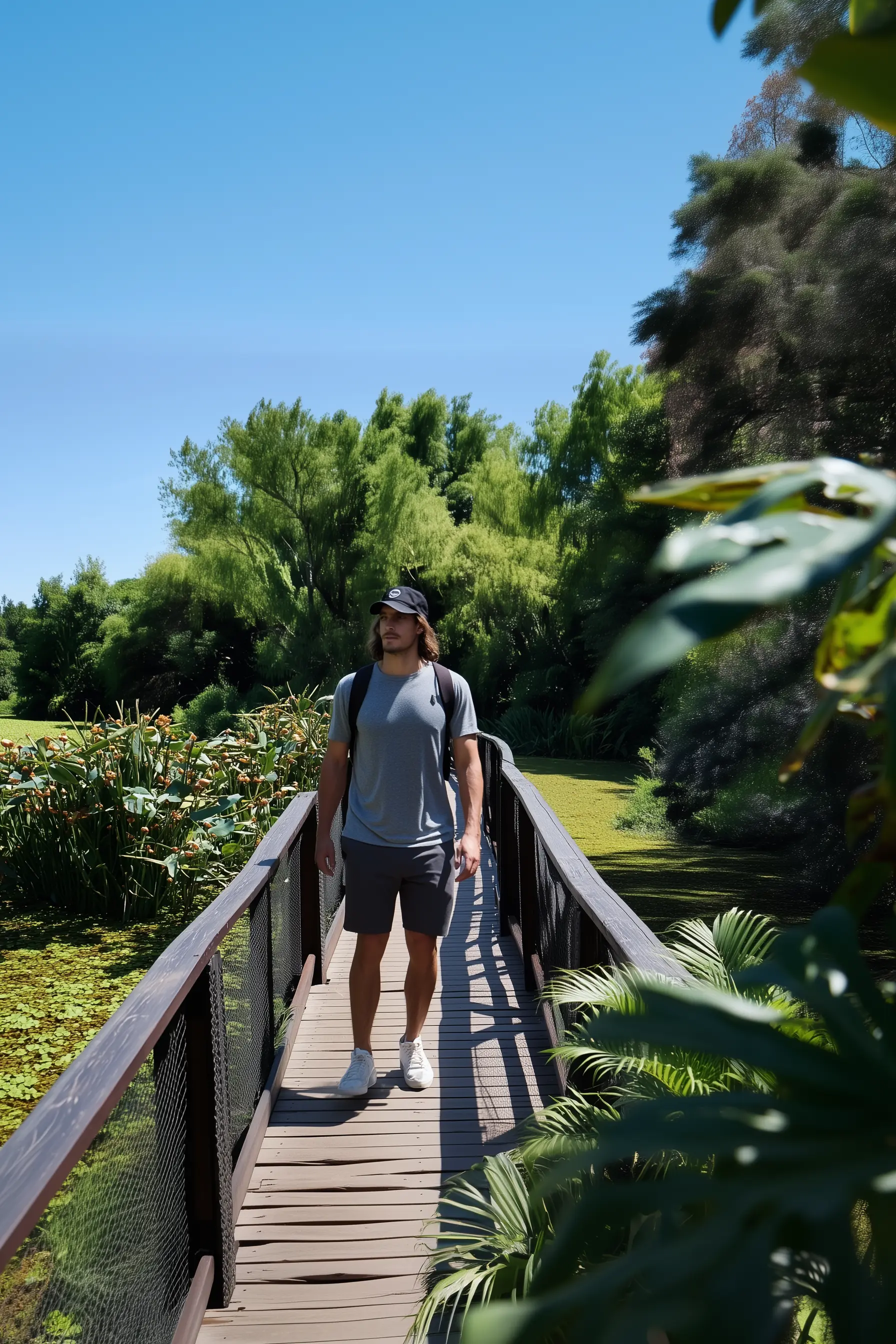
Urban Hiking Through Reserva Ecológica

Right behind the glassy towers of Puerto Madero, this massive nature reserve is the inside scoop for locals needing a quick escape. It’s the largest green space in the entire city, with 865 acres of wild grasses, birds, and bike-friendly dirt paths.
Start your day early or go for a late afternoon loop—either way, the stunning views of the skyline framed by wild marshland are worth every step. Don’t let the word “urban” fool you: once you're inside, it's just you and the birds.
Best things about it:
-
Free entry (budget win)
-
Feels nothing like a city park
-
Ideal for jogging, solo walks, or a chill walking tour
Take Flight Over the Pampas: A Bucket-List Trip in the Sky
Paragliding in Greater Buenos Aires

Yes, you can fly—without leaving Argentina. There are certified paragliding instructors and launch sites, particularly in areas like Tigre, San Andrés de Giles and Ministro Rivadavia, where you can book a tandem “vuelo biplaza” flight over the outer edges of Buenos Aires province.
These experiences won’t take you over wild mountains, but you’ll still catch big skies, quiet farmland, and distant city views from above. It’s a thrill—just in laid-back Pampas style.
Good to know:
-
Launch sites are usually 1–1.5 hours from central Buenos Aires, depending on traffic and provider
-
Some schools offer organized transport—confirm when booking
-
Flights are often 10–20 minutes, depending on conditions
-
Providers like Parapente Aires del Sur. use modern equipment and are registered with the FAVL (Federación Argentina de Vuelo Libre)
-
Instruction is in Spanish—some instructors may speak English, but it’s best to ask ahead
This isn’t the Andes, but it is a rare chance to float above the world, no airport required.
The Beaten Path You’ll Actually Want to Take
Biking the Southern Circuit: Barracas to Parque Patricios
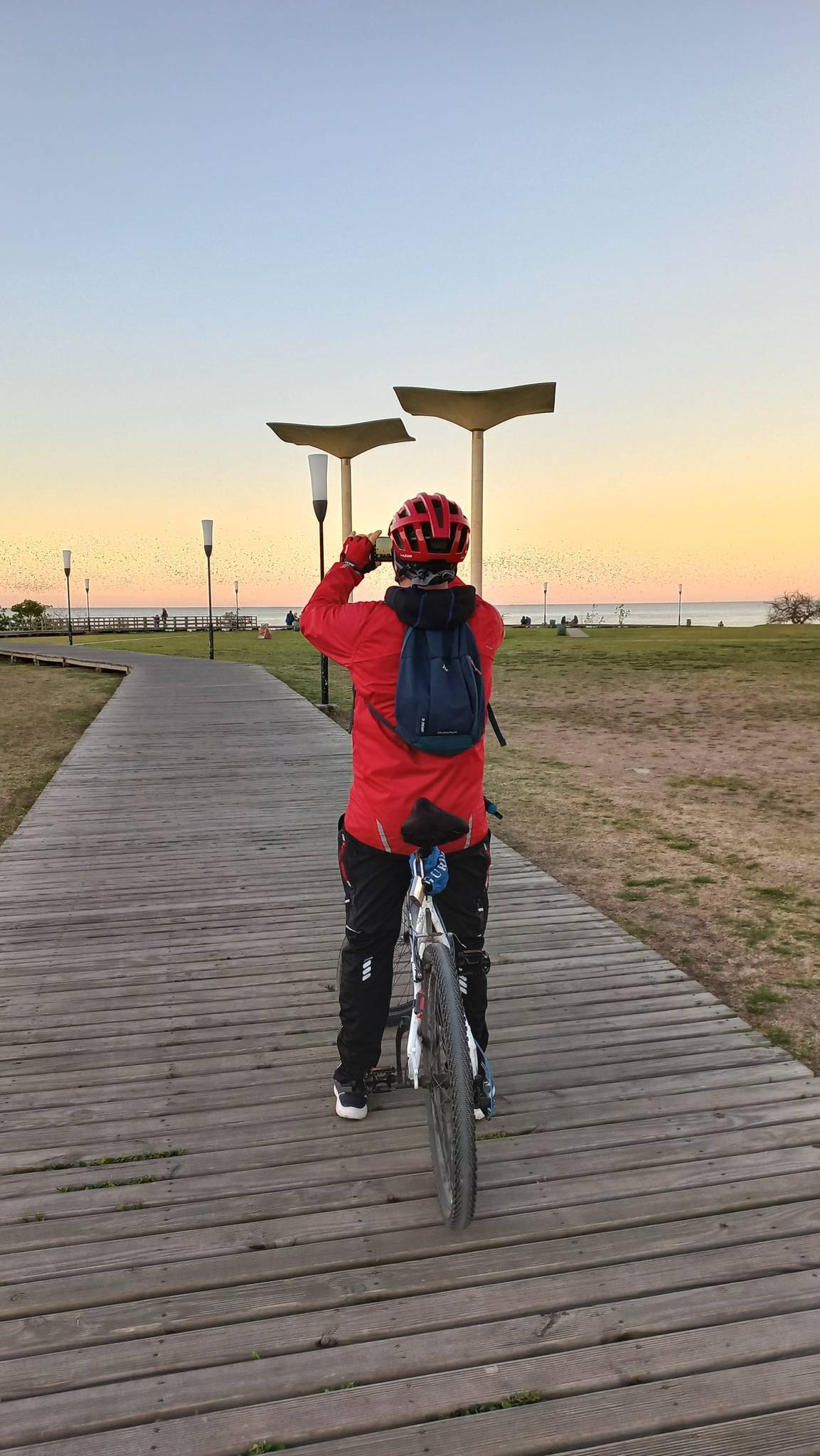
Most tourists stick to Recoleta or Palermo. But hop on a bike and head south and you’ll find a totally different vibe—gritty, colorful, and full of stories. Barracas and Parque Patricios are the city’s low-key cultural zones, packed with street art, history, and zero lines.
This DIY route is perfect if you want to spend a few hours moving but not sprinting. Stop for choripán, snap mural pics, and chat with locals in plazas. If you want a little structure, join a guided walking tour on wheels: some combine art stops with lessons on Buenos Aires’ industrial past.
Highlights:
-
Massive murals in Barracas, including the “El Regreso de Quinquela”
-
Wide boulevards perfect for first-time bikers
-
San Telmo and La Boca are just a few pedals away
One More Tip Before You Ride or Glide:
These activities are all reachable by public transit or rideshare—no rental car needed. Pack sunscreen, water, and a little curiosity. You’ll leave with more than just pics—you’ll leave with a new way to see Buenos Aires.
Cultural Thrills: Bold Ways to Experience Buenos Aires Beyond the Beaten Path
There’s more to Buenos Aires than tango shows and steak dinners (though those are great too). If you're the kind of traveler who wants to explore Buenos Aires like a local—with grit, flavor, and a dash of bold—these experiences serve up the inside scoop on what really makes this city one of Latin America’s cultural powerhouses.
Whether you're dancing under the stars in Palermo or slapping paint on a wall in Villa Urquiza, the entire city becomes your playground. Here’s how to spend your trip tasting, creating, and living the Argentine culture from the inside out.
Learn Tango... on a Rooftop Where Locals Dance

Forget the velvet curtains and choreographed smiles of your typical tango show. Want real? Take a beginner class on a rooftop in Palermo—complete with a sunset, a glass of Malbec, and instructors who know how to turn two left feet into art.
These classes happen in old industrial spaces or renovated homes, often with open-air views stretching toward the Rio de la Plata. They’re relaxed, intimate, and wildly fun—especially when the wine kicks in.
You’ll love this if you:
-
Want to learn moves you might actually use at a tango dance hall
-
Like your dance floor with a skyline
-
Think the best things in life involve music, good wine, and some rhythm
Street Art with a Paintbrush: Workshops Off the Beaten Path
Graffiti + Street Art Workshops in Colegiales or Villa Urquiza

These aren’t your average walking tours. Instead, you’ll meet working muralists who invite you to pick up a spray can and get messy in one of Buenos Aires Argentina’s most color-packed neighborhoods.
Villa Urquiza and Colegiales may not show up in guidebooks, but they’re overflowing with bold, emotional walls—art that speaks to politics, pop culture, and life in the city. Start with a guided bike ride to get context, then join a graffiti session where your canvas is the actual city.
Why it’s worth exploring:
-
No art experience needed—just curiosity
-
A totally hands-on dive into the art scene
-
You'll see parts of the city center most visitors skip
Gaucho Culture That Goes Beyond the Selfie
Gaucho Day Trips with a Twist

Sure, you could head to a big estancia, take the brochure photo on a horse, and be done. Or—you could book with smaller, family-run outfits where you actually ride, help prep the asado, and learn about gaucho life from people who live it.
Think horseback galloping across wide South America plains, cattle herding demos, and yerba mate under the trees. These experiences feel less like a performance and more like an invite to someone’s backyard.
What makes it special:
-
Less polished, more personal
-
Meals cooked over open fire, shared with gauchos
-
The inside scoop on Argentina’s cowboy culture
While You’re in the Cultural Mood...
Tack these onto your adventure days:
-
Visit Plaza Dorrego on a Sunday for antique finds, impromptu tango in the square, and live music late into the evening
-
Tour Teatro Colon, one of the most acoustically perfect opera houses in the world—a must-visit, even if you skip the show
-
Browse books under frescoes at El Ateneo Grand Splendid, an ex-theater turned bookstore that makes the city center feel magical
-
Take a cooking class with local chefs near Avenida de Mayo—malfatti, chimichurri, and empanadas done right
Just a short walk from downtown Buenos Aires, these immersive cultural picks bring the historic neighborhood energy to life—and let you bring a bit of Argentina home with you.

Nightlife with Edge: Hidden Gems for the Bold in Buenos Aires
There’s a reason Buenos Aires is called the city that never sleeps—and it’s not just because of the tango dancers. Once the sun dips behind the Rio de la Plata, the city flips from café cool to full-blown nocturnal playground. If you're here on a trip to explore Buenos Aires beyond touristy clubs and polished tango shows, this is your cheat sheet to the city’s most exciting after-dark hidden gems.
From underground milongas to late-night eats in La Boca, this is nightlife with edge, heart, and just enough chaos to make your trip unforgettable.
Secret Milongas: Where Locals Lead and Tourists Follow
Underground Milongas for Risk-Taking Romantics
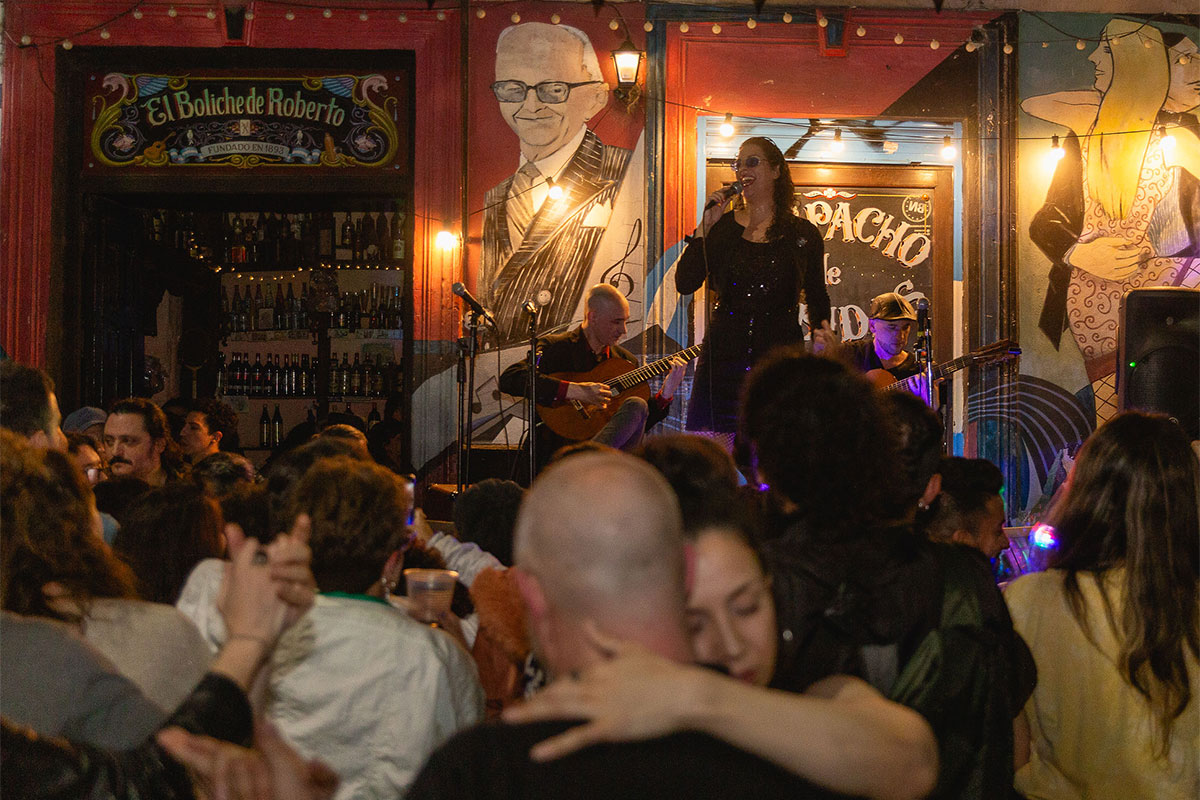
Forget the polished shows aimed at most travelers. If you want to feel the pulse of Buenos Aires Argentina, sneak into a backstreet milonga—like 'El Boliche de Roberto'. No dress code, no drama, just music and sweat.
These venues don’t post flyers. Some don’t even post schedules. You’ll hear about them through a friend, or someone you meet at a sidewalk café in San Telmo.
Inside, locals flow across the floor in dim lighting while old records crackle. It’s not a performance. It’s a conversation—one held through movement.
Fun fact: Some of the most legendary tango dancers in the world started in these tiny, candlelit rooms.
The Booziest Hidden Gems in the City
Buenos Aires Bar Crawl: Secret Speakeasies Edition

Palermo Soho might be full of rooftop bars and craft beer spots, but the real charm lies behind unmarked doors and disguised façades. Think antique shops that double as gin dens, or flower shops that smell suspiciously like bourbon.
Book a spot on a speakeasy tour—or DIY with local recs—and sip your way through Argentina’s booming cocktail culture. Many of these places are helmed by bartenders with international creds and menus built like poetry. Look up Dante Bar if you feel like splurging.
Highlights include:
-
Retiro’s password-only mezcal bar tucked behind a bakery
-
Recoleta’s underground vault that once held real gold
-
A Palermo bar run by well-known writers turned mixologists
Explore Buenos Aires One Bite at a Time
Late-Night Food Adventures
When the bars close, the real feast begins. This city is built for the midnight snacker.
Local favorites:
-
Choripán at Costanera Sur: smoky, spicy, and best eaten leaning against a kiosk with strangers
-
2 a.m. pizza at Güerrín, where slices are handed over like winning lottery tickets
-
Helado under neon lights: grab dulce de leche at Cadore, a shop with rich history and a side of drama

Other legendary bites:
-
Tacos at an unmarked stand near La Bombonera (yes, it’s open post-match)
-
Empanadas from a guy with a cart who only works the Plaza de Mayo night crowd
If you came to eat, explore, and live the culture, Buenos Aires after dark has just that—with sauce on the side.
Pro Tips from a Local Who Never Sleeps
-
Don’t expect to start anything before 10 p.m.—late is the cultural heritage here.
-
Keep some cash handy—some of the best places still don’t take cards.
-
Looking for a conversation-starting bar? Try Palacio Barolo’s top floor—the tallest building in the city when it opened, now home to one of the best wine tasting views around.

Buenos Aires Argentina: Unique Experiences You Won’t Forget
Tired of the same old city tours? Buenos Aires Argentina is packed with hidden gems that push past the polished surface and into something more personal, more local, and definitely more memorable.
Whether you're horseback riding past city edges, paddling through tropical canals, or flipping empanadas in a cooking class, these are the kinds of unique things that stick with you long after your trip ends.
Urban Horseback Tours You Can Only Find in Buenos Aires Argentina
You don’t need to leave the city to feel the countryside. On the outer edge of Buenos Aires, family-run stables offer horseback tours where power lines meet pampas. Estancia La Candelaria and Estancia La Bamba de Areco offer underrated and luxury experiences.

Why it’s unforgettable:
-
Small groups, local stories, and horses with personality
-
Dirt roads that feel rural but are still technically in the city
-
Post-ride wine tasting and food shared with your local guide
It’s a laid-back way to connect with Argentina’s history—no crowds, no gimmicks, just hooves, open space, and stories passed down.
Paddle Tigre’s Canals Like a Local Guide Would
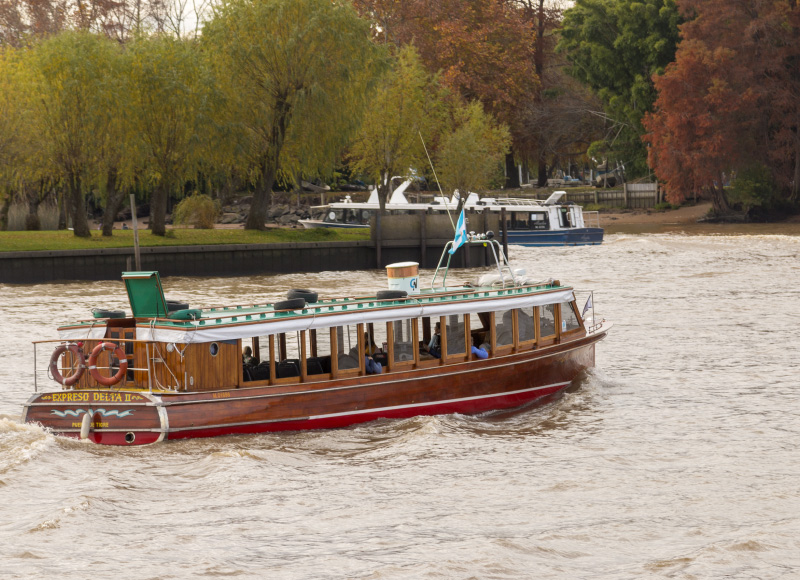
The Tigre Delta is South America’s version of a jungle Venice—and only 45 minutes from the heart of Buenos Aires. The best way to experience it? Kayak or rowboat.
Why it’s one of the best things to do:
-
Navigate lush river paths past stilt houses and river cafés
-
Stop for empanadas at a floating kiosk
-
Experience a slower rhythm of life most guided tours miss
Let a local guide show you the hidden corners—or go solo if you're feeling brave. Either way, it's off the beaten path in the best way. Here's everything you need to know about planning a day trip to Tigre on the Buenos Aires Tigre Travel Guide.
Cook, Taste, and Create: The Cooking Class That Captures Argentine Culture
A cooking class in San Telmo is more than a recipe—it's a masterclass in argentina's history. Hosted in private homes, these classes often include:
-
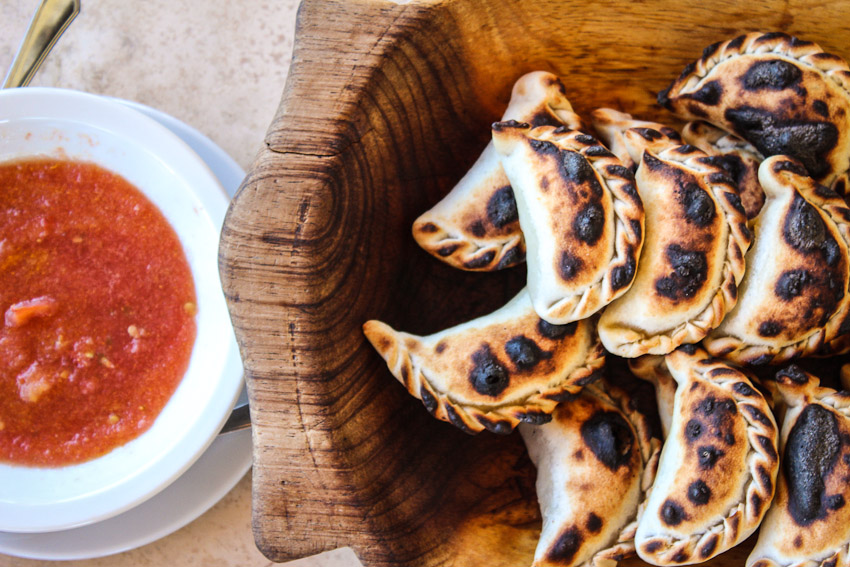
Empanadas, chimichurri, flan
-
Wine (always)
-
Generational family stories between bites
You’ll leave with full stomachs and flour on your sleeves—and it’ll be one of the best things you spend time on.
Read Inside a Theater: El Ateneo Grand Splendid Is the World’s Most Beautiful Bookstore
Housed in a former opera house, El Ateneo Grand Splendid is a stunning bookstore with frescoes, balconies, and a stage café under the original proscenium.
What to do here:
-
Climb to the top floor for skyline views and quieter reading nooks
-
Sip coffee while flipping through local fiction
-
Snap one of the most iconic photos in the world of book lovers
It’s part bookstore, part art gallery—and 100% culture.

Palacio Barolo and the Dante-Inspired Secrets Inside
Palacio Barolo isn’t just a historic location—it’s an architectural poem. Inspired by Dante’s Divine Comedy, it was once the tallest tower in South America.
Don’t miss:
-
The second floor where the design shifts into symbolic overdrive
-
The dome lighthouse for skyline views
-
Guided tours that unpack the building’s hidden metaphors and argentine history

Café Tortoni: A Legendary Spot Where Famous Writers Once Debated Over Coffee
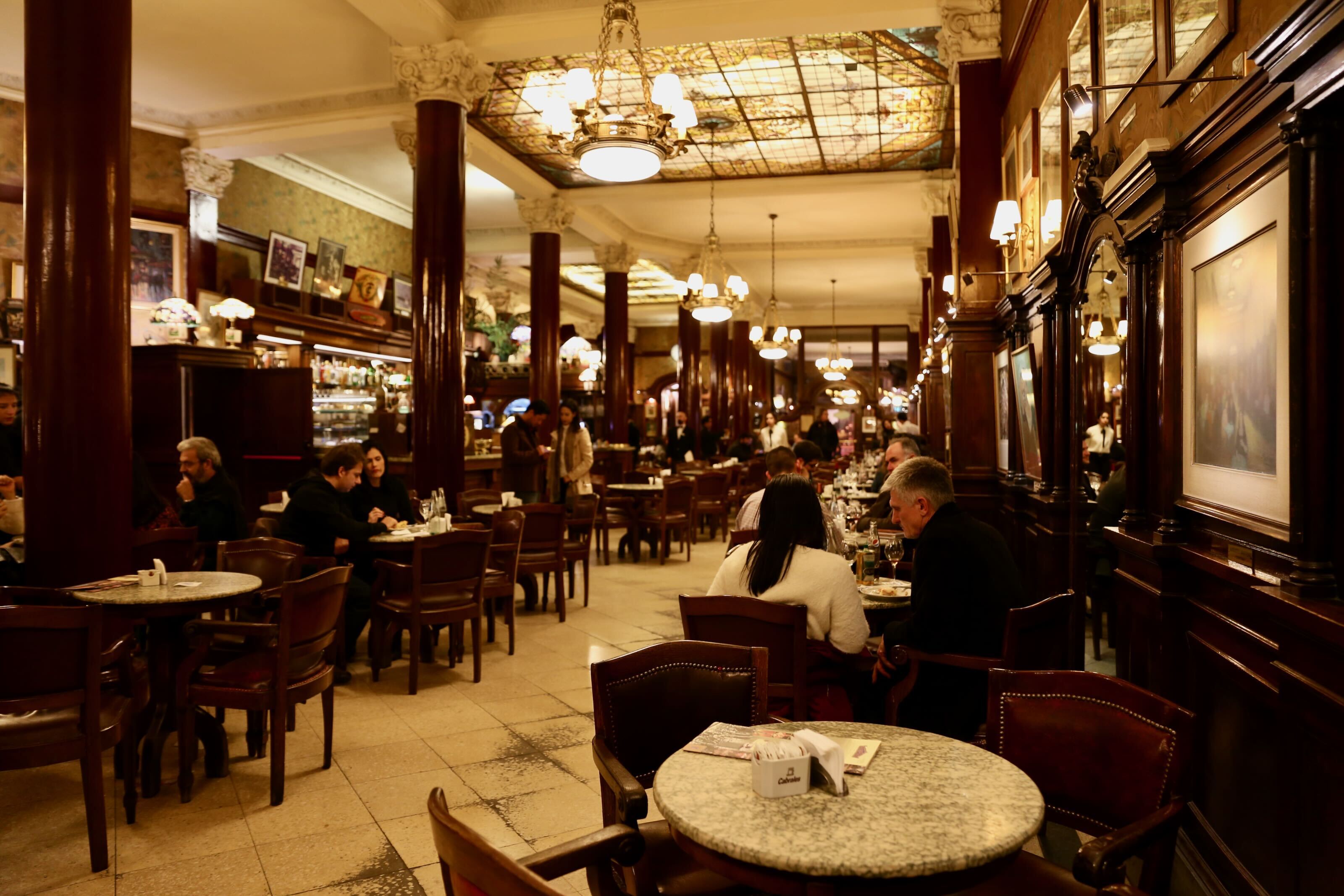
Step into Café Tortoni and you step into Argentina’s creative past. Since 1858, this marble-and-mahogany café has been a magnet for artists, poets, and writers.
Order a cortado, sit near the stained glass, and imagine the debates that once happened here. It's a spot where culture and caffeine go hand in hand.
Free Things That Feel Priceless in Buenos Aires
You don’t have to spend big to explore big. Some of the most authentic culture in Buenos Aires comes without a ticket.
Our favorite free things:
-
Stroll Plaza de Mayo and admire the pink glow of Casa Rosada
-
Snap street murals near La Boca and San Telmo Market
-
Wander markets, plazas, and historic spots that don’t make it into every blog post
Where to Stay if You Want Adventure Access
When choosing where to stay in Buenos Aires, it’s not just about convenience—it’s about personality. Each neighborhood brings its own flavor to your trip, especially if you're chasing unique things to visit, eat, and experience after dark.
Here’s the local version of where to base yourself if you want to be in the middle of the action (or right next to it).
Settle in Where the Action Happens
If you're planning to visit for more than a few days, why not stay somewhere that puts you in the center of it all?
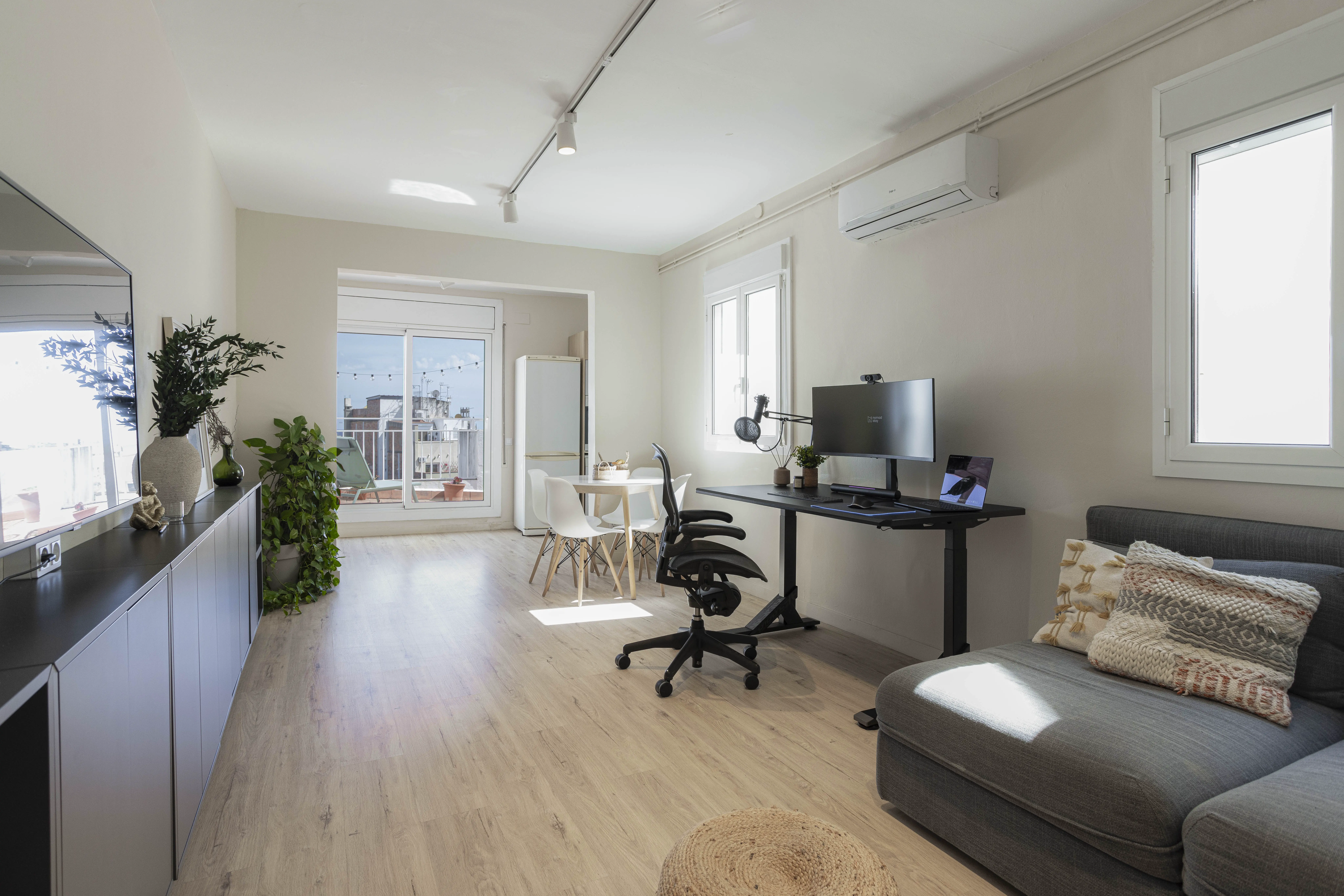
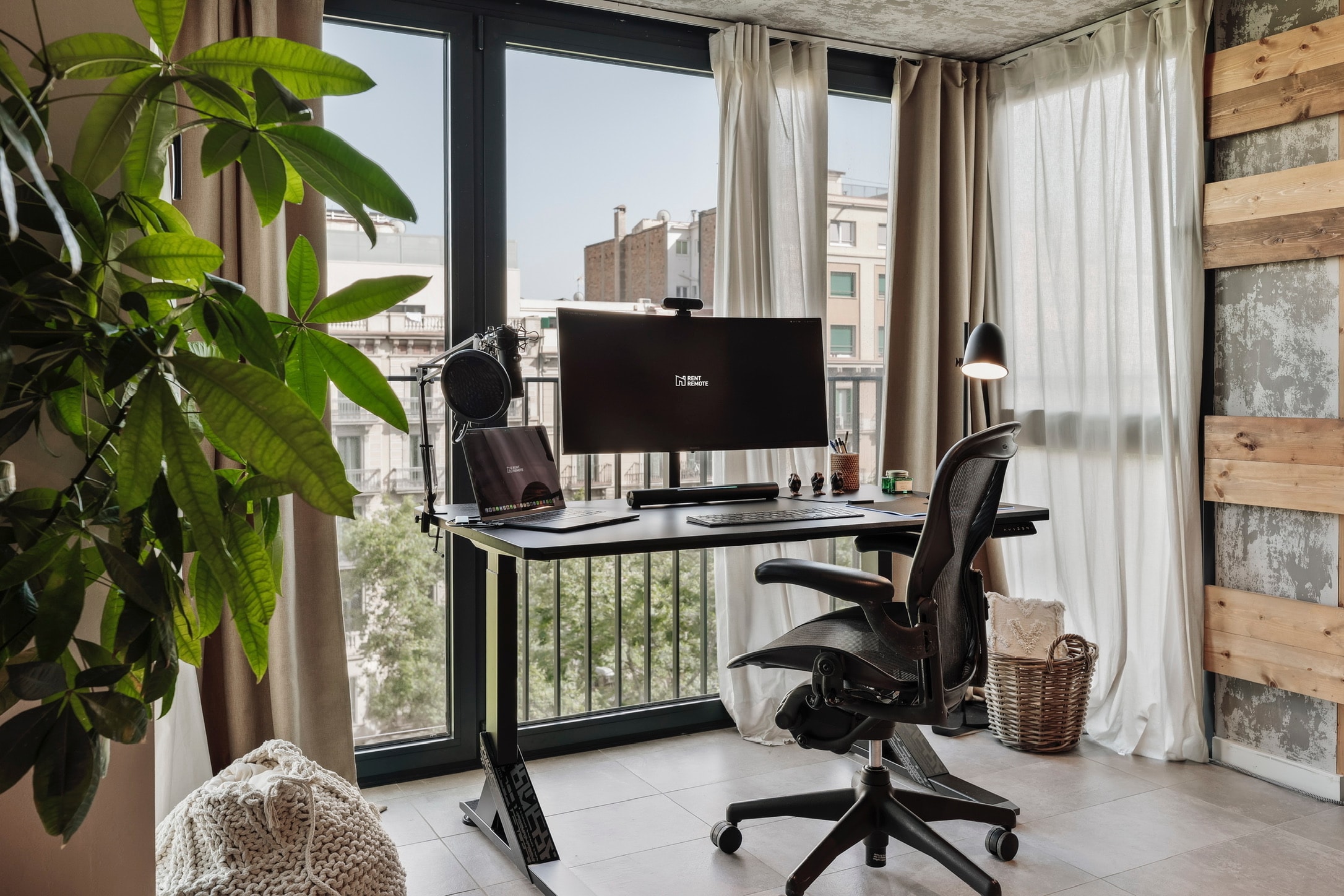
RentRemote offers furnished apartments available in Buenos Aires that give you the flexibility to live the adventure, not just watch it. Rooftop tango, riverside sunsets, and midnight pizza? All just a few blocks from home.
Palermo Soho: Rooftops, Street Vibes, and Endless Food
Palermo Soho is like the extrovert of Buenos Aires: full of rooftop bars, design shops, and cafes that double as coworking spots.
Why stay here:
-
You’re walking distance from pop-up galleries, outdoor food markets, and secret speakeasies
-
The Subte line makes it easy to hop neighborhoods
-
It’s safe, buzzy, and super social
Perfect if you want every night to feel like a mini festival.
San Telmo: Grit, History, and Tango in the Air
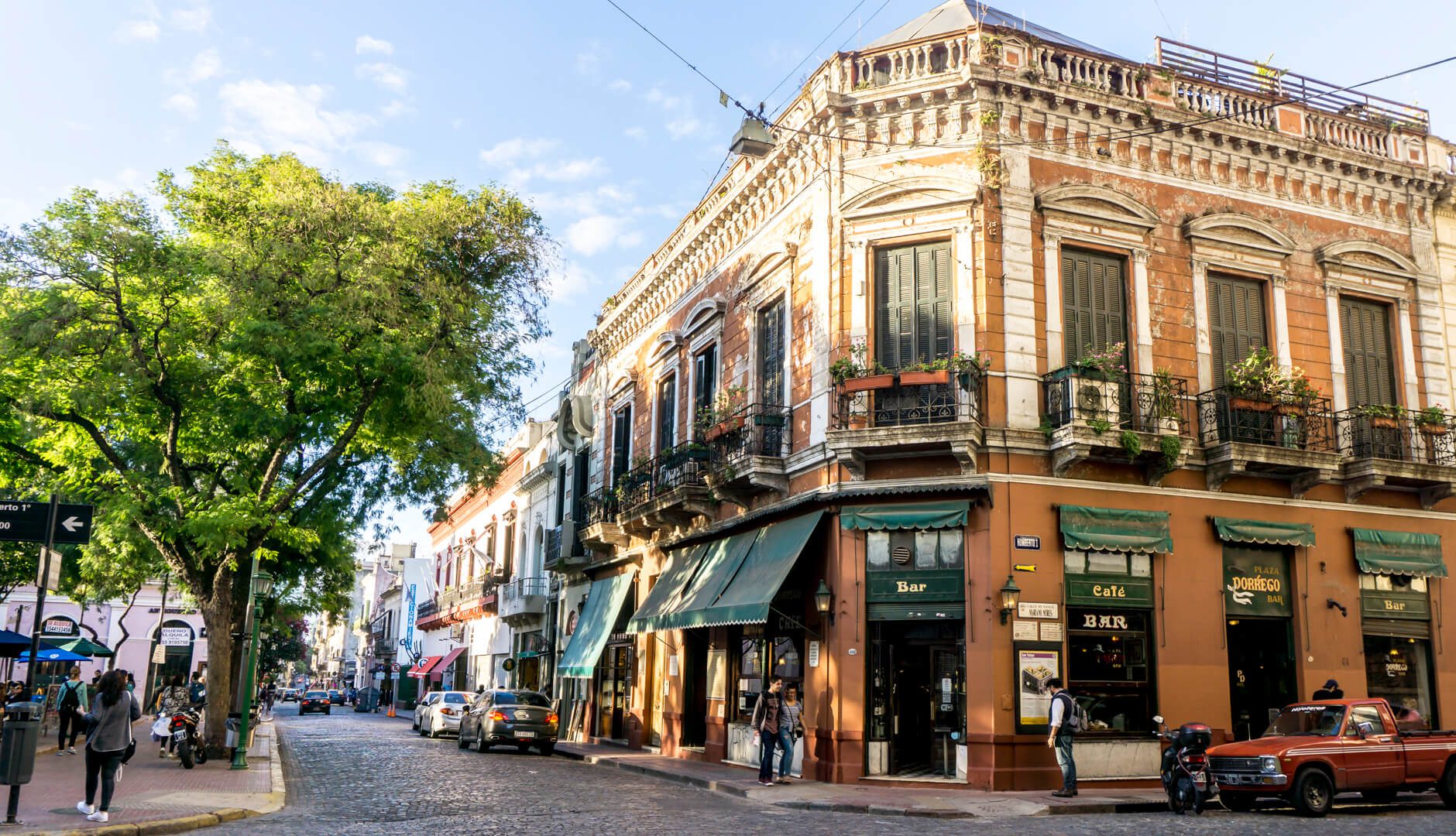
Old meets edgy in San Telmo, one of the city’s most atmospheric barrios. Cobblestone streets, aging mansions, and murals that feel like open-air journals.
Why it’s great:
-
San Telmo Market has everything from antiques to empanadas
-
You're close to Plaza de Mayo, Teatro Colon, and historic cafés
-
Every corner feels like it's hiding hidden gems
This is where the history of Argentina meets the present—with attitude.
Recoleta: Elegant Days, Rebellious Nights
During the day, Recoleta feels like Paris—tree-lined streets, museums, and grand architecture. But once the sun goes down, it’s all low-lit bars and live DJ sets in unsuspecting spaces.
Why it works:
-
Museums and rooftop lounges mix effortlessly
-
Home to historic cafés and edgy cocktail bars
-
Feels posh without being boring
You’ll meet creatives, diplomats, and expats all in one wine bar.
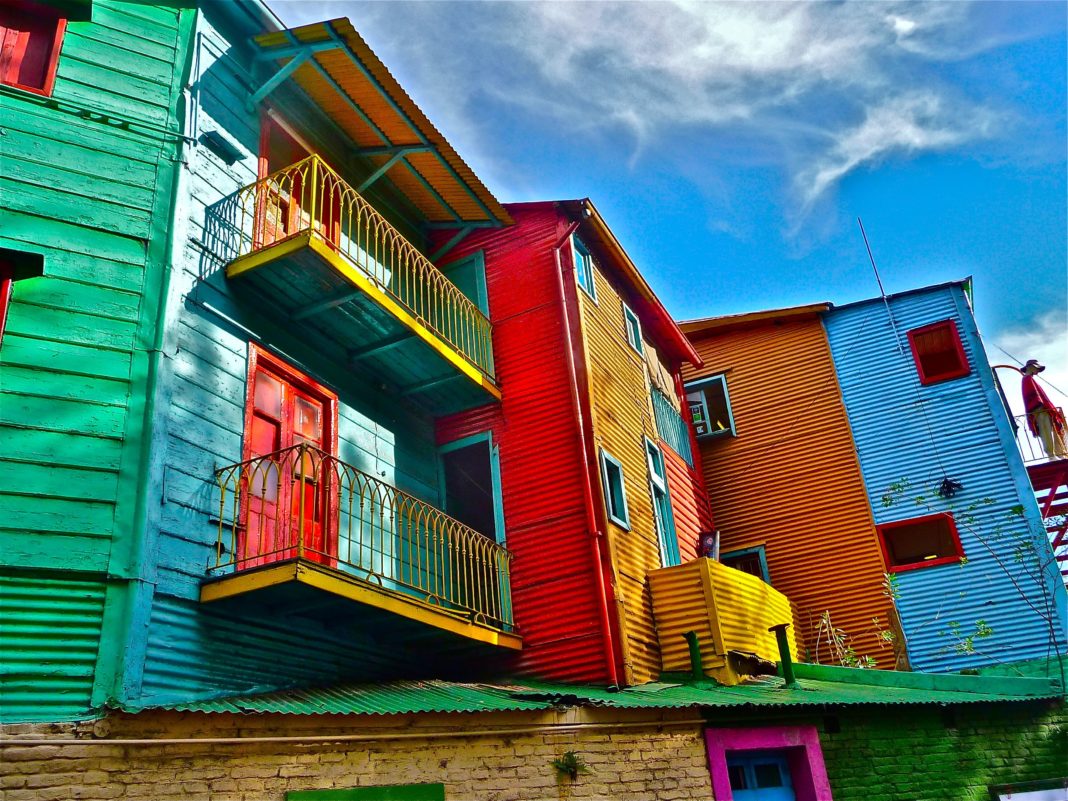
La Boca: Color, Culture, and a Whole Lot of Personality
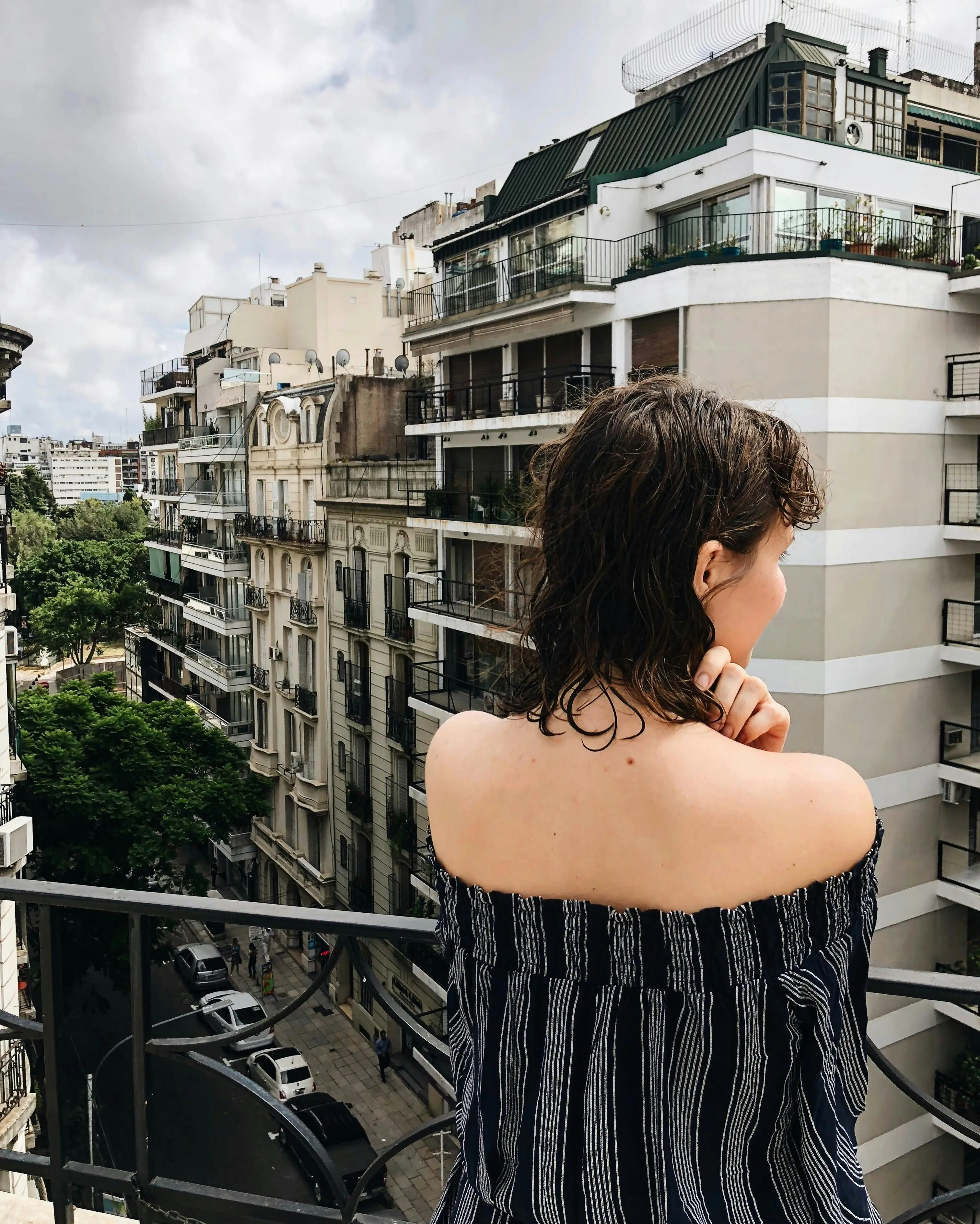
While La Boca is best known for its bright facades and Boca Juniors fandom, it’s also a neighborhood layered with argentine history and community-led art spaces.
Why it stands out:
-
Walking distance from Caminito and mural-covered alleyways
-
Home to early office buildings that have become art studios
-
Bold, vibrant, and always moving
Not ideal for late-night strolls, but perfect for daytime city wanderers with a thing for color and chaos.
Best Things to Do in Buenos Aires on Any Budget
Trying to plan your trip to Buenos Aires without draining your wallet—or missing out on adventure? You're in luck. This city delivers experiences that are big on thrill and light on cost (unless you’re skydiving over cattle fields).
And it’s not just you: According to Booking.com (2024), 43% of travelers to Buenos Aires are now seeking “experience-first” itineraries over traditional sightseeing.
Here’s how to visit like a local—whether you're counting pesos or swiping with flair.
Budget vs Premium: A Quick Cost Breakdown
| Experience | Approx. Cost (USD) | Vibe |
|---|---|---|
| Rooftop Tango Class | $25 | Romantic, local, wine included |
| Graffiti Workshop (Colegiales) | $35 | Creative, off the beaten path |
| Milonga Entry (San Telmo area) | $5–10 | Authentic Buenos Aires night out |
| Street Food at San Telmo Market | $10–15 | Casual, filling, hyper-local |
| Guided Tour of Avenida de Mayo + Casa Rosada | Free–$10 | Rich in argentine history |
| Horseback Riding on City Outskirts | $50–75 | Rural-meets-urban hidden gem |
| Paragliding Near the City | $100 | Thrill-seeker must-do |
| Tour of La Bombonera (with a guide) | $55 | Futbol & culture overload |
| Food + Wine Pairing Dinner | $80+ | Premium food with local flair |
| Trip to Perito Moreno Glacier (Patagonia) | $$$$ (multi-day) | Bucket-list world experience |
Smart Tips for Spending in Buenos Aires
-
Many tours include food or a drink—always ask.
-
Bring cash for markets and smaller venues (like Plaza de Mayo tango nights).
-
Don’t forget travel insurance, especially for outdoor thrills.
-
If you’re choosing between museums and milongas, go where the history moves.
Whether you're budgeting for street food or balling out at La Bombonera, Buenos Aires offers more than just activities—it offers stories.
Tips for Adventurous Travelers in Buenos Aires
Whether you're planning a week-long escape or setting up a remote work base, Buenos Aires rewards travelers who like to wander without a strict itinerary. This city isn’t about checking off boxes—it’s about letting neighborhoods like La Boca and San Telmo Market lead the way.
From tango in Plaza Dorrego to river walks near Río de la Plata, every part of your trip can feel like a local discovery—if you know where to look. Here are a few simple ways to travel bold and smart in one of Argentina’s most layered cities.

Ditch the Generic Tours, Go Local Instead
For a truly unique visit, skip the big-name operators and look for small-scale tours. Platforms like Airbnb Experiences or local collectives often host everything from underground tango nights to art-bike rides across La Boca.
Why it works:
-
Smaller groups = more spontaneous fun
-
Often led by passionate artists, dancers, or historians
-
You’ll learn more about the world beneath the surface
Weather and Reviews: Your Two Best Friends
Most adventures in Buenos Aires—from rooftop events to open-air workshops—are weather-dependent. Always check forecasts and confirm event details on the day.
And don’t skip the reviews. Whether it’s a tango lesson or a graffiti tour, past travelers often leave the blog post-style advice you actually need.
Solo Travelers: You’re in the Right Place
Coming solo? Perfect. Many of the city’s boldest experiences are designed to help strangers become friends.
Try:
-
Milongas in Plaza Dorrego where locals love to chat between dances
-
Street art walks through San Telmo Market alleys
-
Language exchange nights at cafés along Río de la Plata
Locals are curious, open, and usually patient with your best attempts at Spanish. A little effort goes a long way—especially when you’re navigating underground spots with no signage.
A Little Spanish, A Lot More Adventure
You don’t need to be fluent, but learning a few phrases helps unlock the magic. Especially when you're not in tourist-heavy areas or asking a bartender how to find the secret door.
Here’s your starter pack:
-
“¿Dónde queda...?” (Where is...?)
-
“¿A qué hora empieza?” (What time does it start?)
-
“¿Está abierto hoy?” (Is it open today?)
Combine this with Google Maps, a smile, and maybe a tango step or two, and you'll do just fine.
Conclusion: Choose Your Buenos Aires Adventure
This trip isn’t about checking boxes—it’s about chasing the unexpected. In Argentina’s capital, you're not just sightseeing. You're mural-painting in alleyways, sipping wine on rooftops, and meeting new friends in old plazas.
Because Buenos Aires isn’t only for foodies and history fans—it’s for travelers who want to experience the world a little differently. Whether you’re drawn to the edge of a paragliding cliff or the rhythm of a backstreet milonga, there’s an experience here that fits your vibe.
In Case You Missed It, Here’s Your Adventure Shortlist
-
Fly over the Pampas in a tandem paraglider
-
Dance on rooftops in Palermo
-
Row through Tigre’s dreamy canals
-
Eat like a local at a choripán stand near Plaza de Mayo
-
Visit art collectives hidden in the corners of La Boca
FAQs
What’s the most adventurous thing to do in Buenos Aires?
If you’re chasing adrenaline, paragliding over the Pampas is the clear winner—hands down. For cultural edge, though, nothing beats a rooftop tango class or a street art tour with real local artists.
Are these activities safe for solo travelers?
Yes—especially if you stick with well-reviewed, group-based experiences. Milongas, graffiti walks, and locally guided workshops are all solo-friendly. You’ll often meet fellow travelers along the way, especially if you go out of your way to visit more social venues.
What’s the best neighborhood to stay in for adventurous experiences?
-
Palermo: nightlife, creative pop-ups, art studios
-
San Telmo: boho vibes, street art, impromptu music, and tango energy
-
Both put you in the thick of the city’s best experiences—without needing to commute far.
Can I book these experiences in advance?
Absolutely. Use platforms like Airbnb Experiences, Viator, or smaller Buenos Aires-based collectives. Booking ahead is smart, especially during spring and fall when the trip calendar fills up fast.
What’s the best season for outdoor adventure in Buenos Aires?
Spring (October to December) and fall (March to May) offer the best weather—warm days, cool nights, and fewer crowds. Perfect for everything from rooftop events to biking tours.
What Should I Know Before I Go?
-
Bring cash for street vendors and low-key venues
-
Learn a few Spanish phrases—it helps more than you’d think
-
Always read reviews on platforms before booking
-
Be flexible—some of the best parts of Buenos Aires are the ones that aren’t in your plan
Frequently Asked Questions
What’s the most adventurous thing to do in Buenos Aires?
If you’re chasing adrenaline, paragliding over the Pampas is the clear winner—hands down. For cultural edge, though, nothing beats a rooftop tango class or a street art tour with real local artists.
Are these activities safe for solo travelers?
Yes—especially if you stick with well-reviewed, group-based experiences. Milongas, graffiti walks, and locally guided workshops are all solo-friendly. You’ll often meet fellow travelers along the way, especially if you go out of your way to *visit* more social venues.
What’s the best neighborhood to stay in for adventurous experiences?
* Palermo: nightlife, creative pop-ups, art studios
* San Telmo: boho vibes, street art, impromptu music, and tango energy
* Both put you in the thick of the *city’s* best experiences—without needing to commute far.
Can I book these experiences in advance?
Absolutely. Use platforms like Airbnb Experiences, Viator, or smaller Buenos Aires-based collectives. Booking ahead is smart, especially during spring and fall when the *trip* calendar fills up fast.
What’s the best season for outdoor adventure in Buenos Aires?
Spring (October to December) and fall (March to May) offer the best weather—warm days, cool nights, and fewer crowds. Perfect for everything from rooftop events to biking tours.
What Should I Know Before I Go to Buenos Aires?
* Bring cash for street vendors and low-key venues
* Learn a few Spanish phrases—it helps more than you’d think
* Always read reviews on platforms before booking
* Be flexible—some of the best parts of *Buenos Aires* are the ones that aren’t in your plan