










Understanding Buenos Aires Cost of Living: Essential Insights for 2025
Explore key insights on the cost of living in Buenos Aires for 2025, including housing, food, and transportation. Read more to plan your budget effectively.
Buenos Aires Cost of Living: A Local’s Guide
Why Buenos Aires Keeps Drawing Nomads
Buenos Aires is one of those cities where you can grab a steak that rivals the world’s best, wander through leafy plazas, and still pay less than in many other countries. For digital nomads, expats, and long-stay travelers, the cost of living is a big reason to set up here. While you can expect quality food, vibrant culture, and affordable rent, Argentina also comes with a twist—currency swings and inflation mean today’s bargains might look different tomorrow.
What You Can Expect in the City
On average, estimated monthly costs for a single person run between $800–$1,200 dollars depending on lifestyle. Accommodation, travel, and food are all cheaper than in most countries, but you’ll want to keep some cash on hand since card machines aren’t always reliable.
-
Rent: small apartment in a local barrio from $400–$700 dollars
-
Transportation: around $20 dollars with a SUBE card
-
Food: café lunch from $5–$7 dollars
At this point, living in Buenos Aires still delivers excellent value for your money—just keep an eye on the local currency and check fresh data before you visit.

Housing and Rent: Living in Buenos Aires on Any Budget
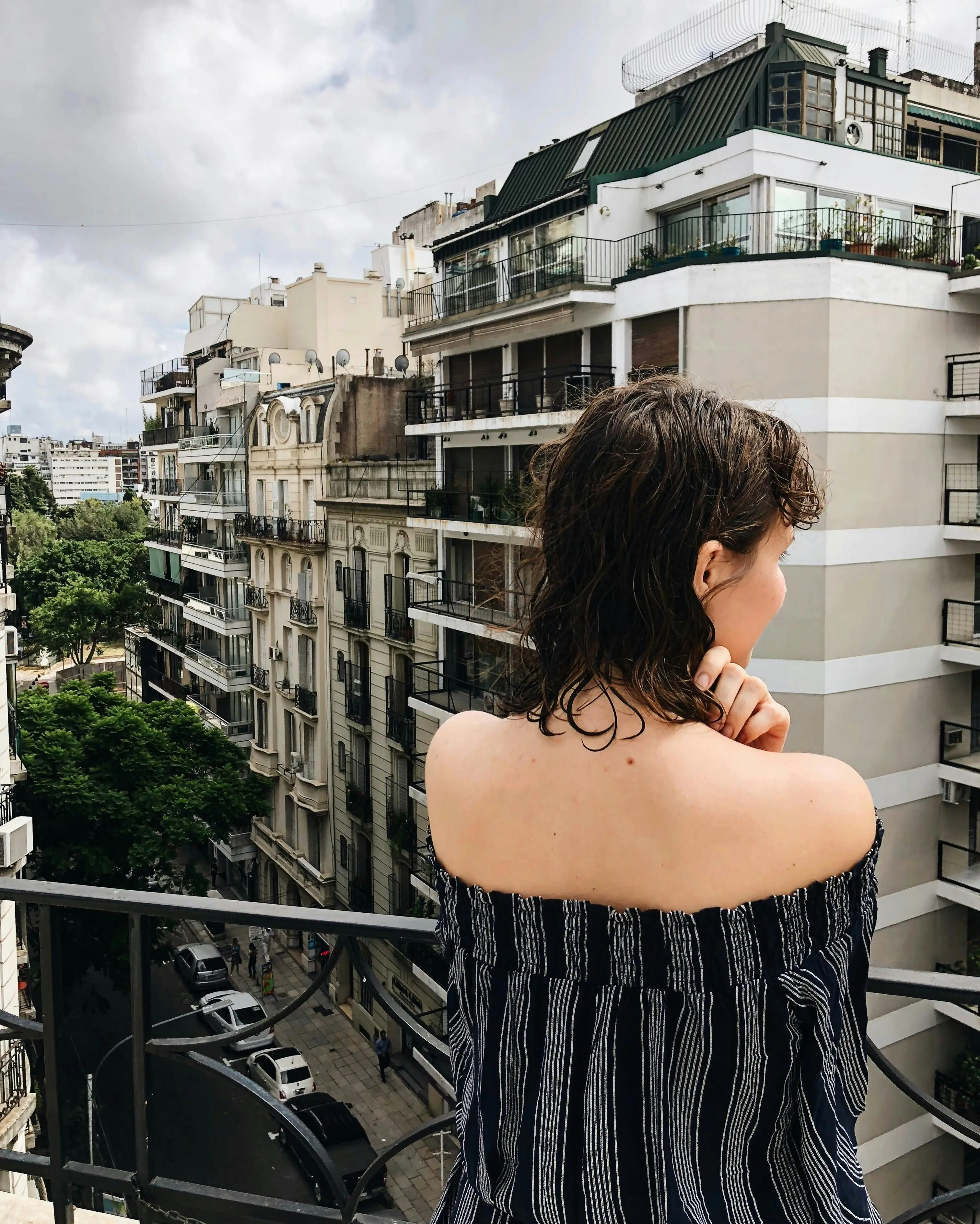
When it comes to living in Buenos Aires, the first big question is always rent. The city has options for every budget, from simple studios in San Telmo to modern high-rises in Palermo. And here’s the kicker: the cost of living is still much lower than in most of Europe, the U.S., or even some parts of South America. If you’re earning in dollars, your buying power goes a long way. For foreigners, this is often the point that makes the city such an attractive base.
The challenge? Argentina’s currency and inflation. Prices shift often, so people staying here learn quickly to check the latest data and exchange rates before signing anything. The past few years have seen big swings, which means the price you pay today might look very different in six months. But if you’re flexible, you’ll still shell out less money here than in many countries around the world.
Short-Term Rentals for a Weekend or a Month
If you’re just arriving or planning a visit, short-term rentals are the easiest way to get started. Platforms like Airbnb and local serviced apartments give you a furnished space without the hassle of contracts. You can expect to pay around $250–$400 USD per week for a small apartment in a decent barrio, or $600–$900 for a month if you negotiate directly with a host. For a person testing out life here, it’s a stress-free way to land and explore.
Long-Term Rentals and Neighborhood Prices
Once you’re ready to commit to a longer stay, the rental market opens up in interesting ways. Different barrios offer different vibes, and the cost follows:
-
Palermo: Trendy, international, packed with cafés and wine bars. A modern one-bedroom apartment here runs around $800–$1,200 USD.
-
Recoleta: Elegant, historic, and more middle class. Expect $700–$1,000 USD for a comfortable flat, though unfurnished places can be cheaper.
-
San Telmo: Artistic, bohemian, and still relatively cheap. You’ll find furnished apartments from $400–$700 USD, perfect for those who want character without overspending.
-
Belgrano: Leafy, residential, and family-oriented. A good balance of comfort and cost, with typical rents between $600–$900 USD.
One key idea to keep in mind: landlords often prefer long-term tenants to friends bouncing in and out, so a six-month lease usually gets you a better price than a rolling monthly contract. Use RentRemote's Buenos Aires Neighborhood Guide to get a sense of which neighborhood is right for you.
Furnished vs. Unfurnished Apartments
In Argentina, unfurnished usually means really unfurnished — sometimes not even a fridge or stove. If you’re a digital nomad or new arrival, stick with furnished flats unless you plan to stay for years. Furnished apartments naturally come with higher costs, but they save you the hassle of setting up a home in a new city.
How Buenos Aires Rents Compare Globally
When you compare Buenos Aires with other countries, the value stands out. In Europe, similar apartments in Madrid or Lisbon might cost two to three times as much. In this region, Buenos Aires is usually more expensive than Bogotá or Lima, but still cheaper than Santiago or São Paulo. For nomads who travel between countries, this balance of affordability and quality of life is the main selling point.

The Role of Inflation and Exchange Rates
One reality of living in Buenos Aires is inflation. Rents are often quoted in pesos, but landlords frequently request usd payments to avoid the local currency swings. This can work in your favor as a foreigner, since your rent stays predictable even when the peso loses value. Just remember: many landlords prefer cash, and taxes can complicate things if you go through an agency.
A Snapshot of Estimated Monthly Costs
For a clearer idea, here’s a rough breakdown of what most residents living in the city can expect to set aside for rent:
-
Shared apartment in a local barrio: $250–$400 USD
-
One-bedroom furnished flat: $400–$700 USD
-
Modern apartment in Palermo or Recoleta: $800–$1,200 USD
At this point, Buenos Aires is still one of the most cost-effective cities in the world for digital nomads and expats. The mix of affordable rent, vibrant lifestyle, and Argentina’s unique charm makes it easy to see why so many choose to stay.

Eating and Drinking in Buenos Aires: Everyday Costs and Special Nights
If you ask local people what they love most about living in Buenos Aires, food will be near the top of the list. The cost of living here means you can eat well without burning through your money, whether it’s an inexpensive restaurant tucked into San Telmo or a long night at a parrilla with friends.
Contrasted with major cities in other countries, the balance of quality and price is still one of the best reasons to make Argentina your base.
Just keep in mind that the official rate and the peso’s currency swings change the numbers often—so when we talk prices, think of them as a flexible example rather than fixed data.
Groceries and Markets: Daily Life on a Budget
Supermarkets and open-air markets are a staple of living in Buenos Aires, and they’re where you’ll see the real value of the city’s cost of living. For one person, a weekly grocery run often lands between $30–$50 if you stick to local staples like fresh vegetables, pasta, chicken, and rice.
For variety, check out:
-
Mercado de San Telmo – historic, lively, and full of produce stalls alongside antiques and casual eateries.
-
Mercado de Belgrano – a favorite for middle-class families, with quality cuts of meat, cheeses, and fresh pasta.
-
Barrio Chino (Chinatown, Belgrano) – where you’ll find soy sauce, spices, and imported products, though the price can be two or three times higher than local goods.
The rule of thumb is simple: cook like many locals do and you’ll save money. Imported items like peanut butter or European cheeses are around double or triple the cost.
-
Bag of pasta: less than $1
-
Bottle of local wine: $3–$7 (excellent value for the price)
-
Fresh bread or empanadas: under $2

Eating Out: From Cafés to a Mid Range Restaurant
Buenos Aires is café country. You can grab a medialuna and coffee at Café Tortoni (the oldest café in the city) or at modern spots like Lattente in Palermo for around $3. Small neighborhood cafés across Recoleta or Almagro offer the same deals.
For dining, an inexpensive restaurant such as Desnivel in San Telmo or Las Cabras in Palermo serves hearty plates of milanesa, pizza, or pasta for $5–$7.
If you want a little more polish, a mid range restaurant like Bis Bistró or Sarkis (an Armenian favorite in Villa Crespo) offers a three-course meal with a glass of wine for $15–$20 per person. Even with tips and taxes, it’s far below what you’d pay in other countries.
Splurges and Steakhouse Culture
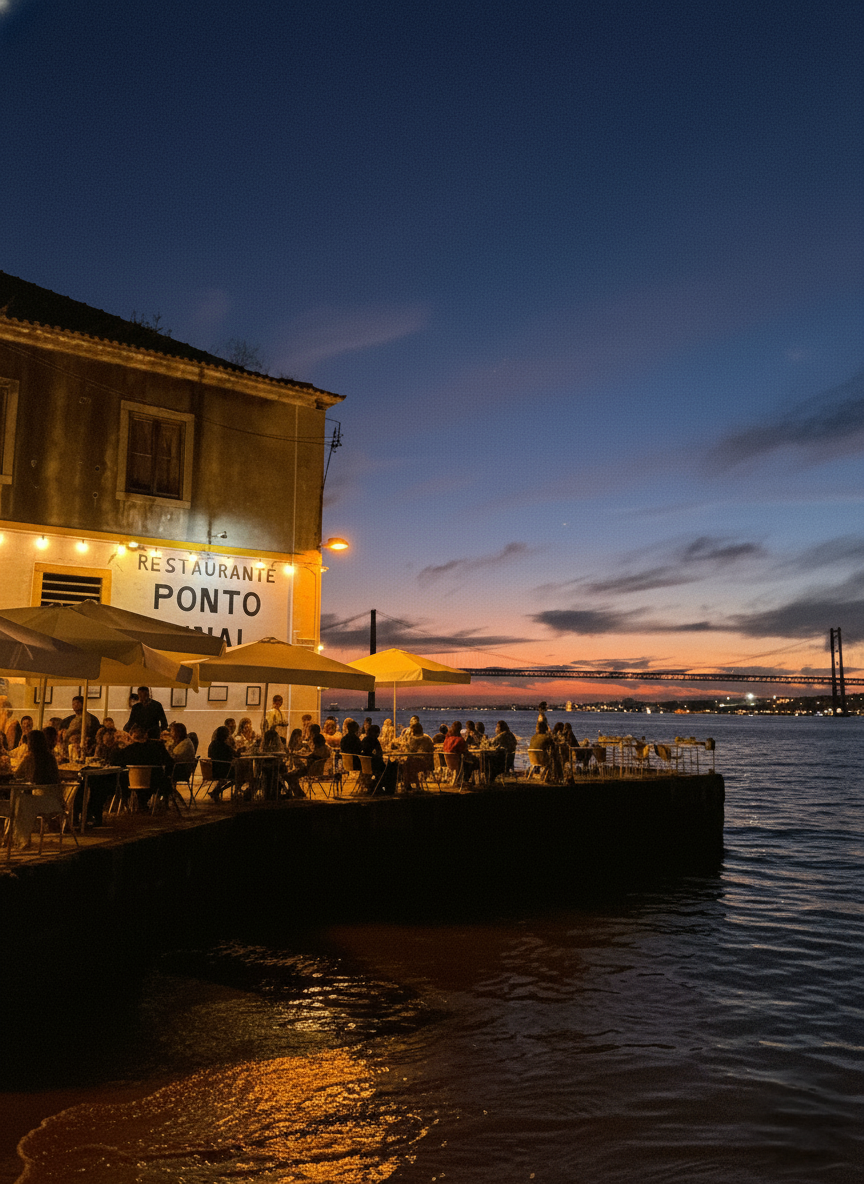
This is parrilla country, and skipping it would feel like a poor choice. Don Julio in Palermo is internationally famous, and a dinner with steak, dessert, and wine is $40–$60 per person. La Cabrera offers a similar experience, and for a less touristy but equally authentic option, try Parrilla Peña in Recoleta.
It may sound pricey compared to an inexpensive restaurant, but when you look at the same price point in Europe or the U.S., it’s a bargain. Plus, these are the moments where Buenos Aires shines: birthdays celebrated over Malbec, friends lingering over steak, and a pace of dining that turns a meal into an evening.
Why Food Adds to the Hope of Buenos Aires
If the past few years have taught nomads anything, it’s that inflation can mess with your budget. But here’s the hope: even when the peso shifts, the experience of living in Buenos Aires still feels generous.
Eating out is part of the rhythm of people’s lives, and as a foreigner earning in dollars, you’ll often find yourself spending less than you expected. Eating out is not just affordable—it’s woven into the way the people of the town live.

Transportation in Buenos Aires: Public Transportation and Beyond
When it comes to public transportation, Buenos Aires might surprise you. The Subte (subway) and an extensive bus network cover nearly every street in town, making it easy to get around without owning a car. For digital nomads focused on keeping their cost of living low, this is one of the biggest wins.
Even with inflation and shifting currency, the price of a ride remains incredibly cheap by international standards. Load up a SUBE card with enough cash, and you can hop on buses or the Subte for less than $0.50 USD per trip at the official exchange rate.
Ride-Sharing and Taxis: When to Pay More

There are moments when Uber, Cabify, or Didi just make sense. Late nights, heavy bags, or areas where public transportation runs on a slower schedule—this is when you’ll pay a little extra. Fares usually run $3–$6 USD for a short ride across the city.
Compared to many countries, that’s still cheap, though surge pricing can hit hard during peak hours. Just be aware: some drivers prefer cash over app payments due to Argentina’s tricky currency system.
Walking and Biking: The Best Way to Learn Spanish
Buenos Aires is a walkable city, especially in central neighborhoods like Palermo or Recoleta. Wide avenues and lively streets make strolling between coworking spots, cafés, or parks a daily ritual.
If you want to learn the Spanish language, this is also your best chance—greetings, small interactions, and overheard conversations are part of the ride.
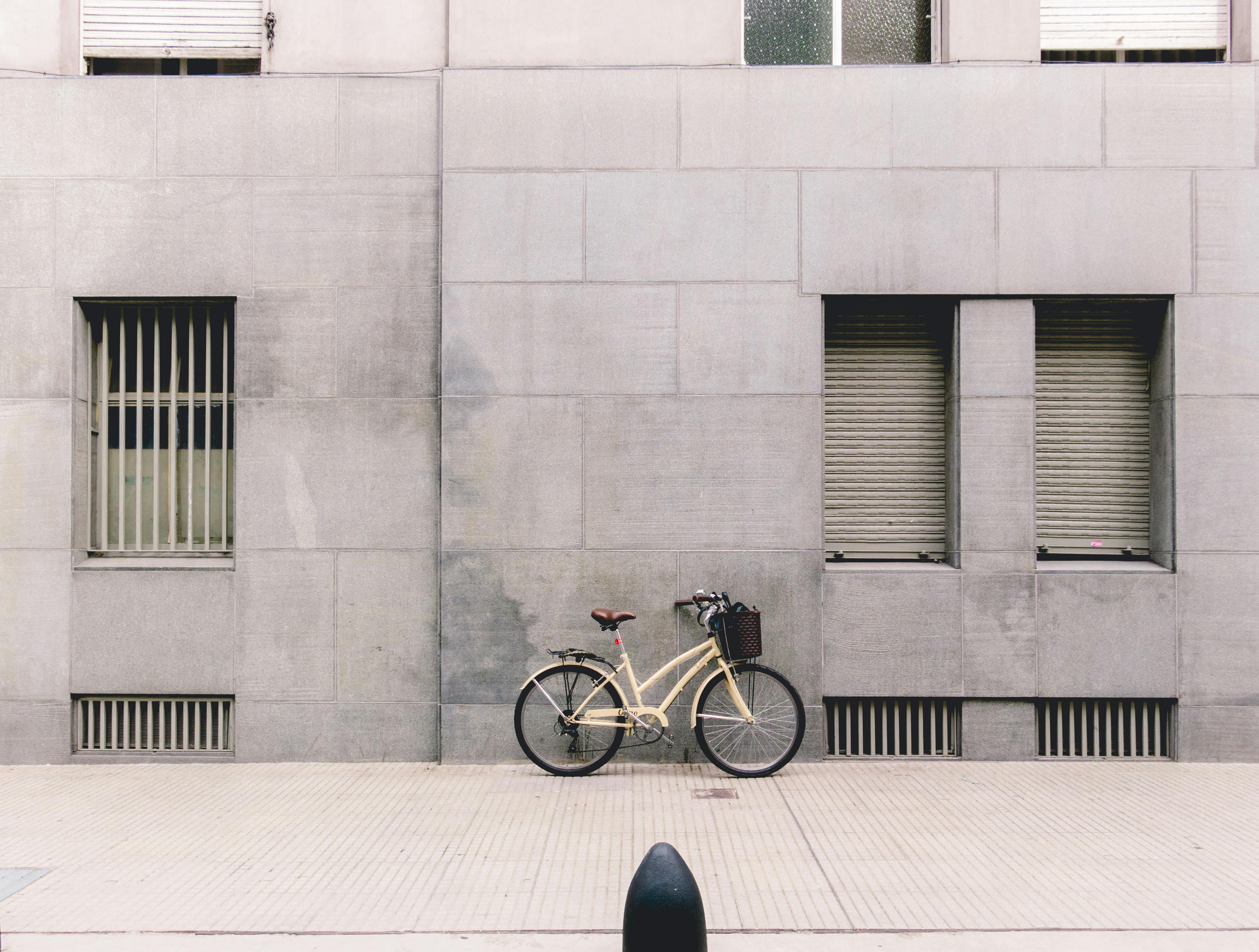
The city’s Ecobici program offers cheap bike rentals, free for the first hour, perfect for short hops when you’re pressed for money or time.
Estimated Monthly Costs for Digital Nomads
So what should you budget? The data is clear: transportation is one of the lowest expenses for anyone living in Buenos Aires.
-
Public transport with a SUBE card: $15–$25 USD per month
-
Occasional ride-shares or taxis: $40–$60 USD
-
Bike rentals and walking: essentially free
That puts your estimated monthly costs for getting around between $60–$80 USD—a fraction of what you’d spend in many countries. Even if some bus seats feel a bit poor quality, the affordability and convenience more than make up for it.
Utilities in Buenos Aires: How Much Will You Pay?
If you’re tracking your cost of living closely, utilities are the next big item after housing. In Argentina, the price for electricity, water, and gas is still relatively low compared to many countries, though it has gone up in the past few years as the economy adjusted.
On average, you’ll pay $40–$70 per month for a one-bedroom apartment, though heating and air conditioning in summer or winter can push that higher.
Bills are usually settled in pesos, and with shifting currency rates, the actual cost in dollars often feels cheaper than it looks on paper.
Internet and Mobile Data: What the Data Says
Reliable internet is one of the strongest points in Buenos Aires’ infrastructure. Speeds of 50–100 Mbps are common, and packages average $20–$30 per month at the current exchange rate. Mobile data plans are equally affordable, starting around $10 for 5–8 GB.
Compared to countries like Spain or the U.S., this is a bargain. Even with inflation, providers tend to adjust slowly, so what you paid last year won’t be dramatically different today.
-
Average home internet package: $25/month at the official rate
-
Prepaid SIM with generous data: $10–$15
-
Mobile top-ups: widely available at kiosks, usually paid in cash

Co Working Spaces and Work-From-Home Options
Buenos Aires has fully leaned into the coworking trend, with plenty of stylish hubs across Palermo, Recoleta, and the Microcentro. Prices are affordable by international standards, and you’ll find spaces that match different work styles.
-
AreaTres** (El Salvador)** – Modern and spacious, with high-speed internet, event programming, and an active professional community. Monthly memberships start around $130–$150, with day passes at $12.
-
Huerta Cowork** (Recoleta)** – Smaller and more boutique, this spot blends a quiet environment with leafy terrace spaces. Expect to pay about $100–$120 per month.
-
La Maquinita** (Microcentro + Palermo Hollywood)** – Known for its creative vibe, strong coffee, and ergonomic setups. Monthly desks range from $120–$140.
-
WeWork** (Downtown)** – International chain with all the extras: private booths, phone rooms, and global community perks. Pricing is higher, around $200 for a hot desk.
Day passes across most coworking hubs average $10–$15, making it easy to drop in when you need a focused day.
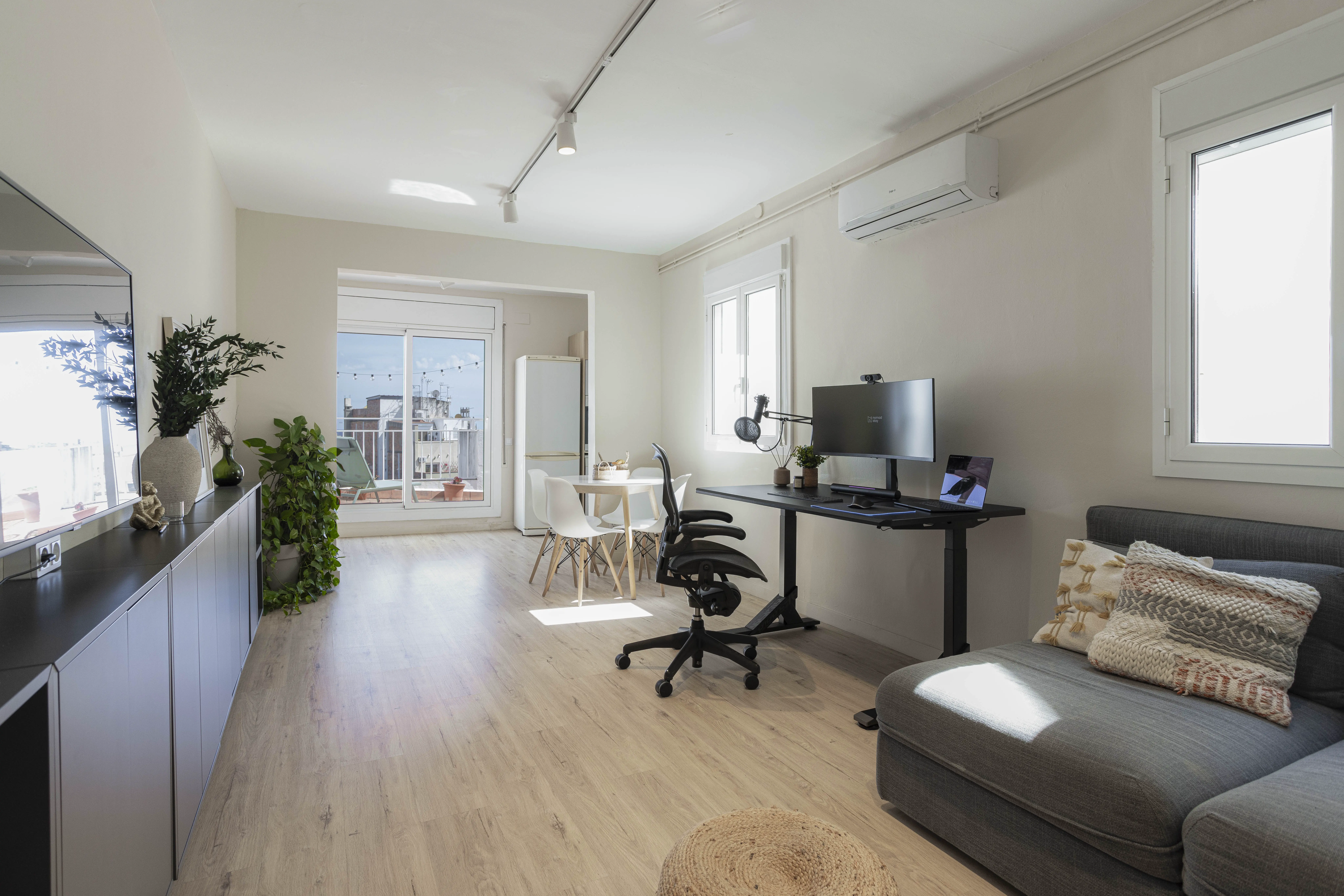
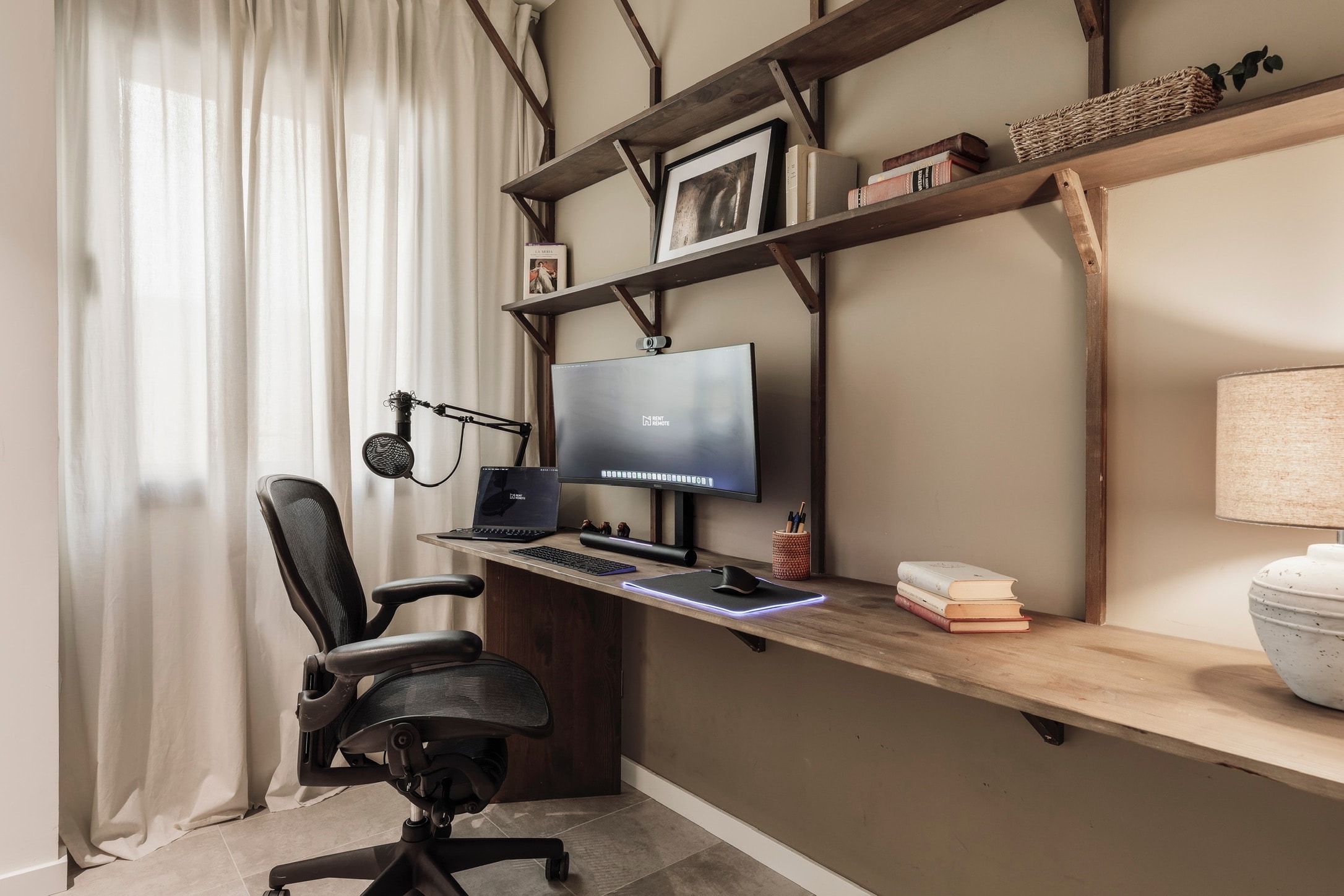
But here’s the thing: if you don’t want to think about memberships, you can cut out the middle step entirely. RentRemote's short term rentals in Buenos Aires come with a workstation already built in—ergonomic chair, desk, and reliable internet—so you can get the same productivity boost without the extra cost or daily public transport ride. For many nomads, that balance of comfort and convenience makes the most sense.
A Growing Remote Work Culture in Argentina
Buenos Aires is adapting quickly. New co working spaces continue to open, universities are upgrading education programs for remote-ready careers, and the overall economy is leaning into flexibility.

Inflation and currency swings may complicate monthly budgets, but the infrastructure for working from anywhere has never been stronger.
At this point, the city offers one of the best balances of affordability, comfort, and work-ready setups in the region—a clear win for anyone tracking their cost of living with an eye on both productivity and money saved.
Cafés, Nightlife, and Cultural Events at a Manageable Price
Ask anyone who’s spent time in Argentina and they’ll tell you the city knows how to entertain without draining your dollars. Cafés remain a cornerstone of daily routines—espresso and a medialuna often cost less than $3, even after shifting exchange rates.
Nightlife runs the full spectrum, from dive bars in San Telmo to rooftop cocktails in Palermo. A tango show in a well-known theatre will run you $20–$40, while smaller milonga nights feel more authentic and cost closer to $10.
Football matches are another highlight, with tickets priced around $15–$30 depending on the team.

Gyms and Fitness Without the High Cost
Staying active is easy here. Standard gym memberships hover between $25–$40 a month, yoga studios are $8–$12 per class, and the city itself doubles as a playground—parks, riverside paths, and even free outdoor exercise equipment.
The overall price to keep fit is lower than in most major cities, and you won’t need to spend extra on public transport just to find a decent workout spot.
Healthcare in Argentina: Affordable and Reliable
Healthcare is one of Buenos Aires’ best-kept secrets. Private clinics are modern, accessible, and much cheaper than in the U.S. or Europe. A doctor’s appointment costs $20–$40, while comprehensive private insurance plans start around $60–$100 per month depending on age and coverage.
The cost is kept manageable by favorable exchange rates, making it one of the biggest advantages of basing yourself in Argentina.
-
Doctor visit at a private clinic: $25–$35
-
Specialist consultation: $40–$60
-
Monthly health insurance: $70–$90
Budget-Friendly Highlights Around the City
Even if you don’t want to spend much money, the city has endless options. Many museums are free on certain days of the week, public parks like Bosques de Palermo are perfect for running or picnics, and open-air festivals pop up almost every season. Open to public concerts and cultural weekends are common, and most are accessible on foot or by the subway for just a couple of pesos.
At the end of the day, Buenos Aires proves that you don’t have to stretch your budget to enjoy a full social calendar. With the right mix of smart choices and favorable exchange rates, the cost of having fun in the city stays comfortably within reach.

Monthly Budget Breakdown in Argentina: Shoestring to Premium
When you’re planning your stay in Argentina, knowing the right price range for your monthly budget makes all the difference. The price of food, housing, and daily essentials is still lower than in many other countries, but it changes often with inflation and shifting exchange rates. Below, you’ll see how the price of living can look depending on your comfort level.
Shoestring Nomad: The Lowest Price Point
If your goal is to keep costs down, a shoestring budget works fine. Shared housing, simple meals, and reliance on public transport keep your price tag low, though comfort is limited.
-
Shared apartment: $250–$400
-
Food (markets + budget eats): $200–$300
-
Transport + extras: $40–$60
-
Monthly total: $550–$800
Comfortable Nomad: Balance and Flexibility
This is where most nomads land: a one-bedroom apartment, a mix of cooking and dining out, and a coworking desk. The price here buys both flexibility and comfort without overindulgence.
-
One-bedroom flat: $500–$900
-
Food (mix of home cooking and restaurants): $300–$450
-
Coworking + transport: $120–$200
-
Monthly total: $950–$1,400
Premium Expat: Higher Price for More Comfort
If you’re ready to treat yourself, the premium budget delivers space, entertainment, and regular nights out. The price is higher, but it covers a lifestyle closer to what you’d expect in other global hubs.
-
Two-bedroom or modern flat: $1,200–$1,800
-
Food + dining: $500–$700
-
Coworking, entertainment, and extras: $250–$400
-
Monthly total: $2,000–$2,700

Inflation and Currency Notes in Argentina
Every nomad has to factor in inflation. The price of goods and services moves quickly, and the price you pay in pesos this month may not be the same next month. Many landlords prefer dollars, while others adjust constantly based on exchange rates. The point is to stay flexible, track the price trends, and use reliable methods to exchange cash.
At the end of the day, Buenos Aires still offers one of the best price-to-value ratios in Latin America—you just need to decide which budget tier suits your style.
Comparing Buenos Aires to Other Countries in Latin America
When it comes to price, Buenos Aires is usually in the middle ground. A meal for one in Lima or Bogotá might be slightly cheaper, but the difference isn’t dramatic when adjusted for currency swings.
Mexico City sits a bit higher overall, especially for housing and coworking memberships. Still, Argentina often feels like the better deal because you get strong value in day-to-day experiences while paying less in dollars than you would elsewhere.
-
Lunch in Bogotá: $4–$6
-
Lunch in Mexico City: $6–$10
-
Lunch in Buenos Aires: $5–$8
Comparing Buenos Aires to Western Prices
Set Buenos Aires against Madrid, Berlin, or New York, and the contrast is clear. The price of groceries, transportation, and eating out is far lower in Argentina than in these other countries. A glass of wine in Berlin might run you $7–$9, while in Buenos Aires it’s closer to $3—even in a stylish bar. The catch? Inflation makes the exact numbers less predictable. Currency shifts mean what you pay one month may not match what you pay the next.
Why Buenos Aires Stays Affordable Despite Fluctuations
The price advantage is real, but it comes with a caveat: inflation. The peso’s instability means costs can rise quickly, and locals often peg their budgets to dollars rather than pesos. For foreigners, this can still work out in your favor, since the peso’s devaluation stretches your budget further. Just remember that in Argentina, value is best measured over months, not years.
At this point, Buenos Aires holds onto its reputation as one of the most affordable cosmopolitan hubs compared to other countries—you just need to keep an eye on the currency shifts to make sure the deal stays as good as it looks.
Is Buenos Aires Affordable for You?
If your goal is to stretch your budget without sacrificing quality, Buenos Aires makes a strong case. The cost of living is lower than in many global hubs, and day-to-day essentials—from food to entertainment—come at a much friendlier price. For travelers earning in dollars, the balance is especially appealing, since exchange rates often work in your favor.
That said, not everyone will find it perfect. Luxury seekers who want predictable pricing, or anyone who dislikes the uncertainty that comes with inflation, may feel less comfortable here. The numbers shift quickly, and the cost of living doesn’t always stay steady.
For most long-term travelers and expats, though, Buenos Aires delivers excellent value: vibrant neighborhoods, strong remote work infrastructure, and affordability that leaves room in your budget for experiences.