














The Worst Time to Visit Miami: Tips to Avoid a Disappointing Trip
Discover the worst times to visit Miami and learn how to steer clear of crowds and disappointment. Read on for essential tips for a better trip!
Worst time to visit Miami: what locals skip
Miami’s gorgeous, but timing matters. The worst time to visit Miami is when high temperatures, sticky humidity, and the Atlantic hurricane season collide with peak tourist season—a combo that can upend outdoor activities, blow up budgets, and sap your energy before coffee.
Locals adjust by hitting sunrise workouts and pushing beach outings to late afternoon; visitors who don’t plan for the heat (and pop-up storms) feel Miami come for them, fast.
Hurricane season: plan around storms, not trips
The Atlantic hurricane season runs June–November (September is the riskiest), bringing severe weather conditions, flight shuffles, and rain bursts that derail plans. If you’re remote-working, book flexible stays, add travel insurance, and keep a backup indoor work spot ready.
Holiday season: great vibes, higher costs
December–March is Miami’s peak tourist season. Between Art Basel in December and spring break in March, demand spikes. Expect central stays to jump to ~$220–$400+ per night, longer lines for brunch, pricier rideshares, and crowded sand—even routine beach outings feel busy.
Quick signs you’ve hit the wrong time to visit:
-
News alerts for the hurricane season (watches/warnings)
-
High temperatures with a triple‑digit heat index
-
Art Basel weekend sell‑outs and surge pricing
-
Spring break crowds taking over SoBe
-
Repeated severe weather conditions alerts pushing you indoors
Picking a time to visit Florida depends on what you want, pick the easier mode and you'll get lighter prices, breezier mornings, and room to visit Miami on your own terms. Up next, we’ll map the better timing windows so you keep the sand, sunsets, and focus‑friendly workdays.
Florida Vacations Depend on Timing
Miami has a vibrant culture, endless sunny skies, and that famous mix of nightlife and beaches. But locals will tell you: when you choose your time to visit Miami makes all the difference.
The summer months bring soaring average high temperatures, while March sees spring breakers arrive in full force. Costs, comfort, and even productivity for digital nomads shift dramatically depending on the season.
Best Time to Visit for Comfort and Cost
If you want to actually enjoy South Beach without fighting the crowds, timing is key. The best time to visit is usually late winter into spring (before the party wave hits) or in fall when the heat softens.
Hotel prices swing just as much as the weather—during big events like Miami Music Week or the Miami Open, hotel rates easily climb 30–50% higher than off-season.
Indoor Attractions and Work-Friendly Alternatives
When the summer months crank up the thermostat, Miami still has plenty to offer. Nomads often duck into indoor attractions like the Pérez Art Museum or coworking lounges along Miami Beach.
It’s not just about escaping heat—it’s about keeping your focus and your laptop safe from the humidity.

Quick checks for picking the right time to visit:
-
Sunny skies but bearable average high temperatures
-
Hotel rates that don’t blow your budget
-
Avoiding weekends when spring breakers arrive
-
Event calendars clear of Miami music week spikes
Choosing the right time to visit isn’t just about saving money—it’s about getting the balance right between Miami’s energy and your own work rhythm.
No matter when you decide to visit Florida, the trick is choosing a base that keeps you steady through the ups and downs. Book a furnished flat in Miami and compare stays across the seasons—you’ll find the setup that matches your pace, whether you’re plugging away on deadlines or chasing a quick weekend escape.
Summer Heat and High Humidity in the Magic City
If you ask locals about the worst time to visit Miami, most will point to June through August. The summer heat in the Magic City isn’t just hot—it’s relentless.
With average temps pushing 90°F (32°C+) and high humidity, even short outdoor activities like a walk along Miami Beach can leave you drained. Afternoons often bring quick rain showers, so even a perfectly planned South Beach itinerary can get interrupted.

-
Signs you’ve hit the worst time to visit:
-
Intense heat paired with sticky high humidity
-
Sudden tropical storms that force you to change plans
-
Needing constant weather updates before stepping outside
-
For digital nomads, this means it’s tough to stay productive outdoors. Cafés crank up the AC, but working beachside? Forget it. This is the worst time to visit if you can’t stand the combo of sweat, storms, and steamy sidewalks.
Hurricane Season and How It Can Affect Travel Plans
From June through November, the city sits under the shadow of hurricanes and unpredictable tropical storms. While not every year sees major impacts, one strong system can shut down airports, flood roads, and disrupt travel plans across South Florida.
If you plan to visit Miami in this stretch, build flexibility into your calendar—especially around mid August through September, which is historically the riskiest window.
Travel insurance, refundable bookings, and backup workspaces are non-negotiables here. Nomads often book stays with flexible cancellation, knowing that even the best weather forecasts can change overnight.

Hotel Rates, Holiday Season Crowds, and the Peak Season Crunch
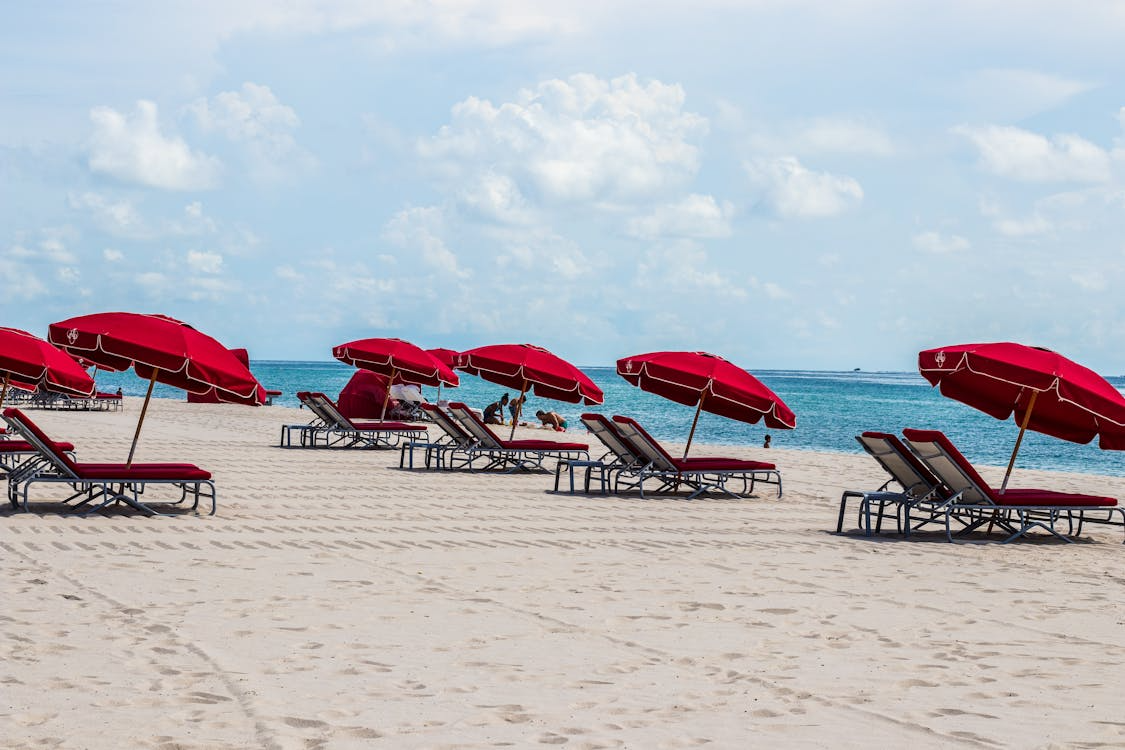
Ironically, another worst time to visit isn’t when the skies are stormy—it’s when the skies are perfect. From December to March, South Beach and Miami Beach are packed with vacationers. It’s peak season, and hotel rates can easily double compared to the off peak season.
Big community first events make things even tighter. Think Art Basel in December, the Miami Open in March, or the influx of college kids heading to spring break. Even if you plan to visit Florida just for work, you’ll be competing with crowds for restaurants, coworking desks, and even Ubers.
By contrast, the best time to visit is usually just outside this rush—shoulder weeks with fewer crowds and cooler weather. You’ll save money, keep your sanity, and still soak in Miami’s energy without the squeeze.
If you're planning a longer stay in Miami and want to get the full local experience, check out RentRemote's Miami Travel Guides—you'll find everything from tips on how to work remote from Miami and a look into Miami's most popular neigborhoods for digital nomads.

Winter in the Magic City: Holiday Season Highs
December through February is Miami at its most glamorous—and its most crowded. With sunny skies and mild weather, South Beach and Miami Beach are buzzing with visitors escaping the cold up north.
But this is also the stretch that locals call the most expensive: hotel rates easily double during the holiday season, especially around big events like Art Basel Miami Beach, Miami Beach Pride, and the Miami Open Tennis Tournament. If your South Beach itinerary based trip includes these weeks, expect higher costs and limited availability.
Spring Crowds, Festivals, and Outdoor Activities
From March through May, Miami stays lively with festivals and visitors. March is especially intense with spring break, Ultra Music Festival, and the Miami Open pulling in huge crowds.
By late April and May, things mellow out—better for nomads looking for fewer crowds and reliable coworking seats. The trade-off? Prices are still elevated early in the season, but you’ll get plenty of outdoor activities and festival energy if you don’t mind the squeeze.
Summer Heat, Afternoon Showers, and Off Peak Season Deals
June through August is the worst time to visit Miami for many travelers. The summer weather and extreme heat index combine with sticky humidity and frequent afternoon showers. Quick rain showers can derail an otherwise perfect beach day, and weather forecasts change almost daily.

The upside? This is the off season—apartments and flights are cheapest, especially if you book after mid August. If you visit Florida during this window, plan to lean on indoor attractions or take a side trip to Walt Disney World instead of trying to work outside on Miami Beach.
Fall’s Rainy Weather and Hurricane Risk
September through November is unpredictable. This is the peak for rainy days and hurricanes, making it tricky to plan without flexible bookings. Even the best weather updates can change overnight, meaning storms might throw off travel plans with little warning.
Still, for nomads willing to gamble, fall has perks: fewer crowds, low hotel rates, and quieter corners of South Beach. Just be sure to research local events in advance, since even smaller festivals can spike demand.
Quick Recap: Picking the Best Time to Visit
-
Winter (Dec–Feb): Great weather, terrible hotel rates
-
Spring (Mar–May): Packed with local events, but fun if you’re into festivals
-
Summer (Jun–Aug): Cheap stays, but the heat and rain can overwhelm
-
Fall (Sep–Nov): Budget-friendly, but hurricane risk can disrupt travel plans
Choosing the right time to visit Miami depends on your balance of budget, comfort, and tolerance for unpredictability. If you want to explore Miami while staying productive, the best time to visit is usually the edges of winter or late spring—warm, lively, but still manageable.

Shoulder Seasons Mean Fewer Crowds and Better Prices
If you’re wondering when’s the best time to visit, skip the extremes and head for the shoulder months. April to May and October to early November give you that sweet spot: milder temperatures, cheaper flights, and noticeably fewer crowds compared to winter or summer.
You’ll still get the sun without dealing with endless lines or crowded beaches. For a Miami vacation that balances productivity and play, this window makes working and unwinding way easier.
Festival Energy Without the Overload: Miami Music Week
March can be chaotic, but if you plan smart, Miami Music Week offers the fun side of Miami’s vibrant nightlife without making it impossible to work.
Stay a little longer into April, and you’ll trade packed clubs for a calmer vibe, plus more reliable schedules for remote work. Think of it as a way to dip into outdoor concerts and the city’s vibrant culture—then step back when you need focus.
Miami Beach and the Charm of Shoulder Season
Late spring is the moment to visit Miami Beach for gorgeous weather and more wallet-friendly stays. Hotel rates cool off, coworking desks are easier to find, and you’ll feel less squeezed while enjoying outdoor concerts or just laying out on sun kissed beaches.
Digital nomads love this period for blending work calls with after-hours fun.
Beyond Miami: Day Trips and Alternatives
Not every time to visit Miami has to be city-centered. Shoulder season makes road trips easier, too. Head north to Panama City Beach, or take the scenic drive down to Key West for a weekend break.
Both offer stunning beaches and fewer lines—perfect for when you want to visit Florida beyond the city.
Keep an Eye on the Calendar: Miami Open and More
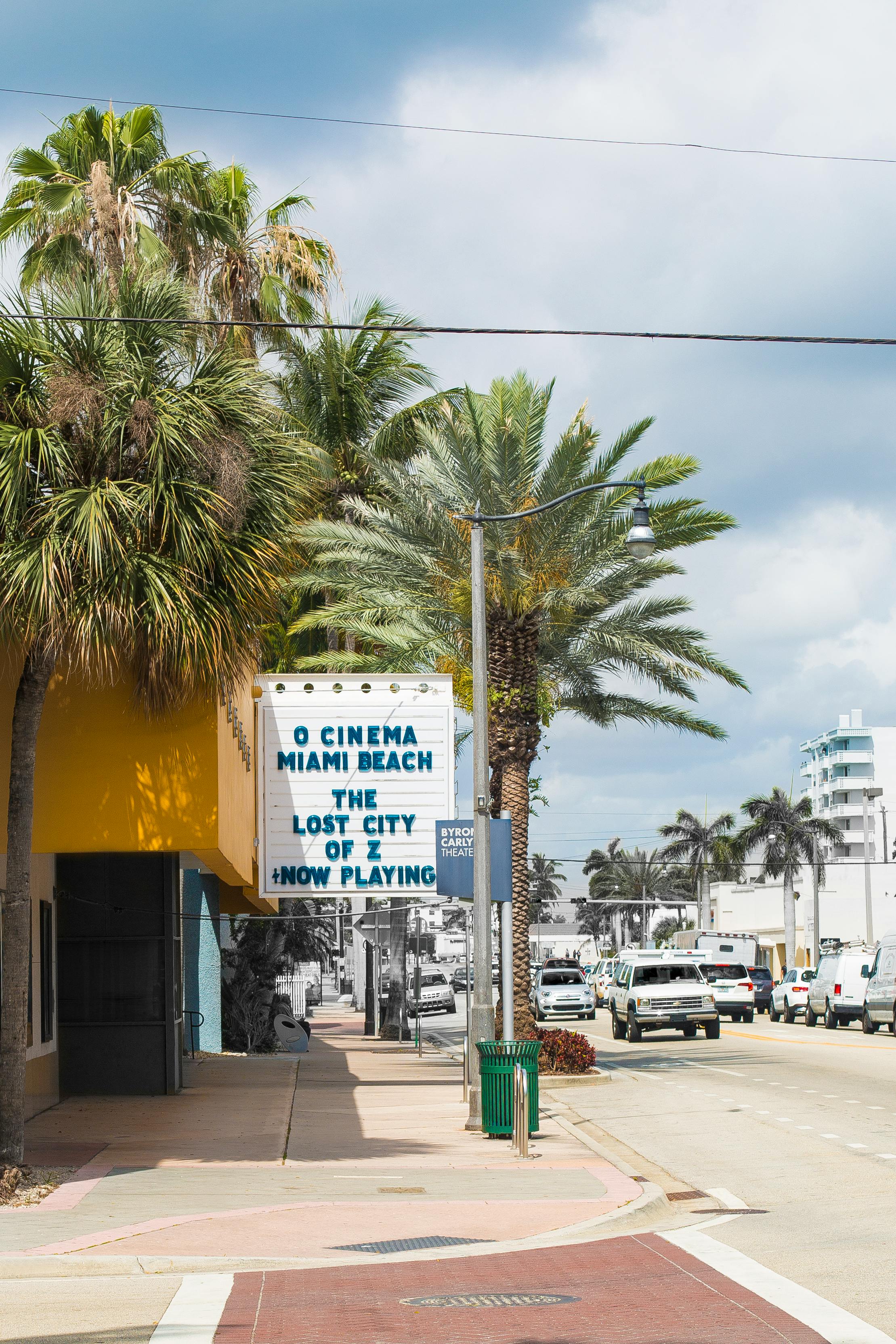
One thing to keep in mind: while these seasons have fewer tourists, some events like the Miami Open can still draw a crowd. Your plan to visit Florida should depend on what balance you want: quiet co-working and low prices, or leaning into big-ticket events like the tennis tournaments and music festivals.
Quick Recap: Best Alternatives to the Worst Time to Visit Miami
-
April–May = milder weather, easier coworking, still lively nightlife
-
October–early November = lower costs, fewer crowds, reliable focus time
-
Spring = events like Miami Music Week and the Miami Open if you want energy, but stay flexible
Visit Miami During Tricky Seasons Without Losing Your Cool
Sometimes your schedule doesn’t care whether it’s the best time to visit or not. Work trips, family commitments, or that long-planned visit Miami might land you right in the middle of sticky weather and frequent afternoon thunderstorms. The city’s tropical monsoon climate makes planning harder, but locals know a few tricks to keep things manageable—and still fun.

Book Smarter, Not Just Cheaper
Flights and stays can fluctuate wildly when storms roll through. Always book flexible tickets and refundable apartments.
In summer, expect dips in prices, but balance that with the risk of delays. Having options means you won’t be locked into a bad deal.
Stay Cool and Stay Productive
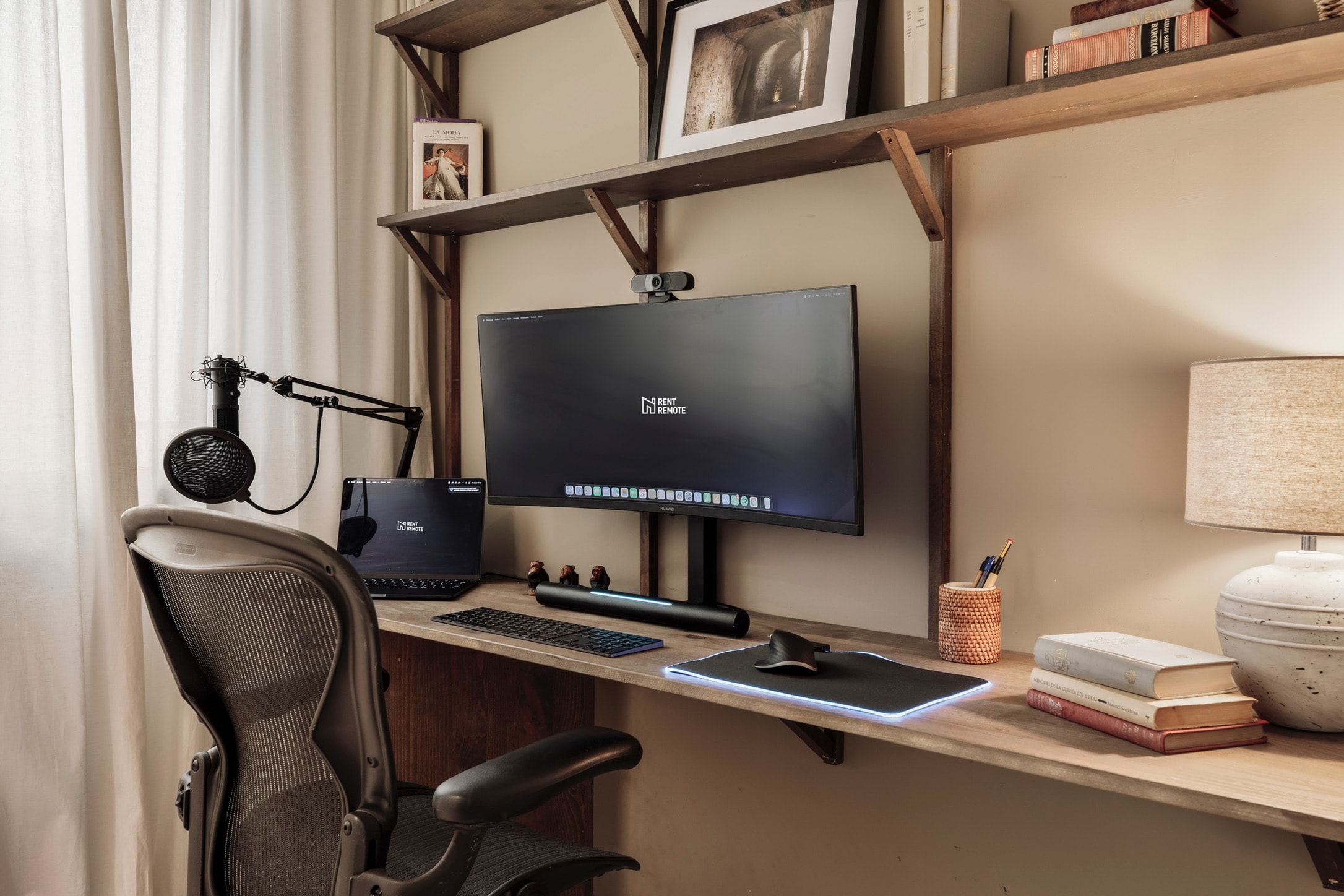
Reliable WiFi and strong air conditioning aren’t luxuries—they’re survival tools. If you’re working remotely, prioritize apartments with workstation setups instead of rolling the dice on cafés.
RentRemote’s units come equipped with ergonomic chairs, real desks, and dependable internet, so you’re not sidelined when the weather shifts.
Art Basel and Other Big Events Still Pack the Calendar
Even when the weather’s unpredictable, the city doesn’t pause. Art Basel in December is world-famous, but events run year-round. If you’re traveling during a messy stretch, you might still catch cultural gold—gallery shows, pop-ups, and community events that thrive indoors.
That balance keeps Miami exciting, no matter the sky outside.
Quick Local Tips for “Bad” Timing
-
Carry a lightweight jacket—you’ll thank yourself when afternoon thunderstorms surprise you.
-
Stick close to coworking spots or apartments designed for the tropical monsoon climate.
-
Keep flexibility in your plans; even “bad” months can surprise you with unforgettable moments.
In short: even if you can’t dodge the weather, you can plan smarter. With the right base, you’ll still find Miami’s vibrant culture thriving—indoors, online, and anywhere you set up your laptop.
Key West to Miami: Timing Your Adventure Right
Miami has its rhythms, and not all of them line up with your calendar. The worst times tend to cluster around sticky summer humidity, unpredictable hurricane season, and the holiday stretch when prices soar. Those months can test your patience, especially if you’re juggling work deadlines with the urge to explore.
The better strategy? Plan around your own lifestyle. If you thrive on festivals, maybe you aim for March and embrace the chaos of the Ultra Music Festival. If you prefer balance—space to focus during the day and a little fun at night—shoulder seasons like April–May or October work better. That’s when Miami gives you energy without draining your wallet.