





The Mexican Countryside: A Guide to Staying Beyond the City
Discover the beauty and challenges of life in the Mexico countryside. Dive into its rich lifestyle and find inspiration for your next adventure. Read more!
Why the Mexico Countryside Is Worth a Detour
When most people think of Mexico, their minds jump to Mexico City, Tulum, or Oaxaca—urban life, beach clubs, fast Wi-Fi. But there’s a whole other side to the country.
The Mexico countryside offers a different rhythm: cobblestone streets, colonial architecture, and towns where Spanish echoes through open-air markets. Think misty mountains, farms that stretch for miles, and villages shaped by centuries of history—all part of Mexico's diverse natural landscapes and topography, from the Aztec capital to modern-day magic towns.
For digital nomads seeking deep focus and fresh air, these rural areas aren’t just scenic—they’re smart.
Here’s what you’ll find in this guide:
-
Where to go in Latin America’s most underrated countryside
-
How to balance work with slower lifestyles
-
Which towns offer surprising services for remote workers
Ready to trade beach crowds for birdsong and café con leche in a plaza? Let’s explore.
Where to Go: Top Destinations in the Mexico Countryside
If you’ve only experienced Mexico City or the beach resorts, you’ve only seen half the country. The Mexico countryside is filled with color, history, and quiet corners that somehow still have fiber internet and fresh tortillas every morning. Whether you’re drawn to the south, the north, or somewhere in the center, these towns are proof that countryside living doesn’t mean giving up comfort—it just means trading noise for mountain air and rush hour for birdsong.
According to Mexico’s Tourism Ministry, 38% of international guests who stayed longer than 2 weeks in Mexico last year chose smaller towns over big cities—often for better security, slower life, and deeper cultural connections with local residents. Personal priorities—such as health, family needs, or individual values—also play a significant role in choosing countryside living.
Here’s where to start your journey.
San Cristóbal de las Casas, Chiapas: Culture at Altitude
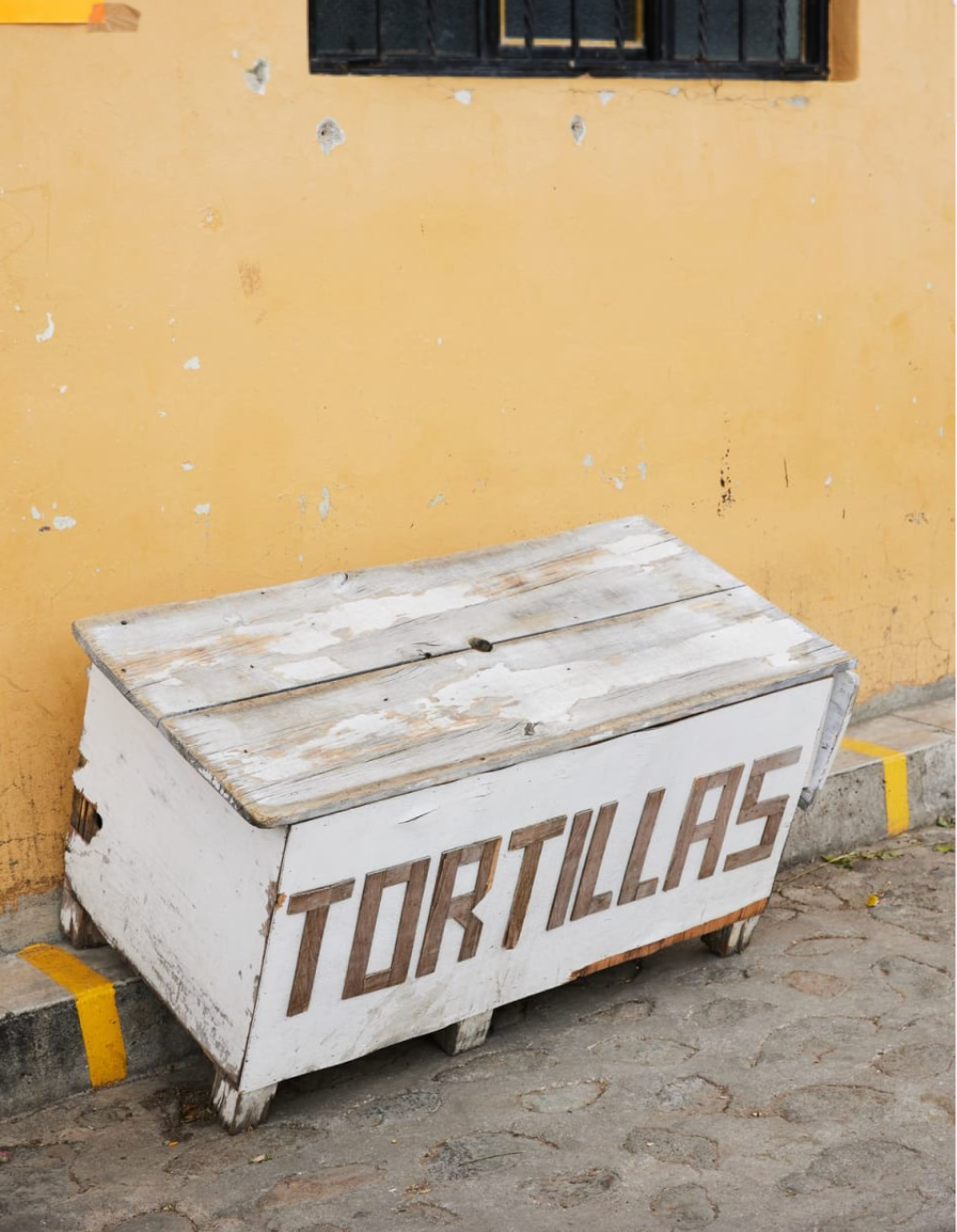
Located in the south, this highland town combines cobblestone streets, colorful facades, and a proud indigenous presence. The weather is cool year-round—perfect for deep focus.
-
Coworking options: Centralita, Co.
-
Monthly rent: $350–$700, depending on availability
-
Great for children and families—there are bilingual schools, art classes, and open plazas
San Cris also offers one of the best blends of tradition and modern amenities in countryside Mexico.
Valle de Bravo, State of Mexico: The Lake Retreat
Just two hours from Mexico City, this forested town wraps around a shimmering lake and feels like the weekend house you wish you had.
-
Forest hiking, paragliding, and boutique restaurants
-
Popular with CDMX residents escaping city stress
-
Fiber internet is widely available, making it a true workation spot
Bonus: You can swim, trail run, then jump on a client call—all before lunch.
Pátzcuaro, Michoacán: Colonial Calm and Craftsmanship
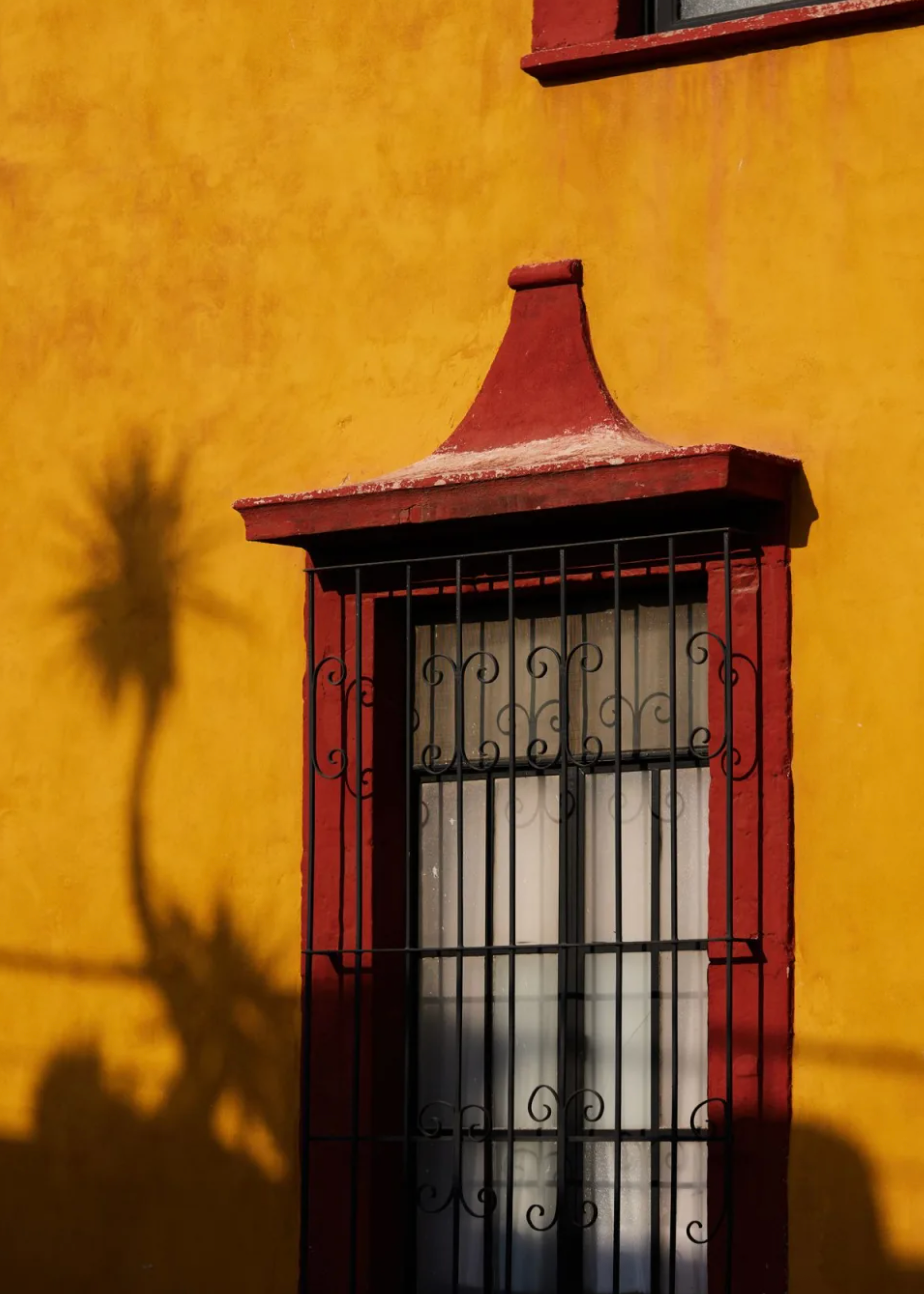
This center-of-the-country gem offers lakeside views, old-world architecture, and one of the most authentic Día de Muertos celebrations anywhere.
-
Handmade textiles, copper goods, and strong local traditions
-
Small-town feel with just enough expats to get help in Spanish if needed
-
Monthly housing: around $400–$600
It's quiet, affordable, and full of old-soul charm.
Todos Santos, Baja California Sur: Desert Meets Ocean
Way out west but still fully connected, Todos Santos is an artsy, surfer-adjacent town with desert vibes and coastal beauty.
-
Part of a “Pueblos Mágicos” program, designed to preserve cultural richness
-
Upscale colivings and luxury wellness stays
-
Think meditation in the morning, deadlines in the afternoon, mezcal under the stars
One of the best places in the north for remote work meets creative living.
Valladolid, Yucatán: Cenotes and Colonial Bliss
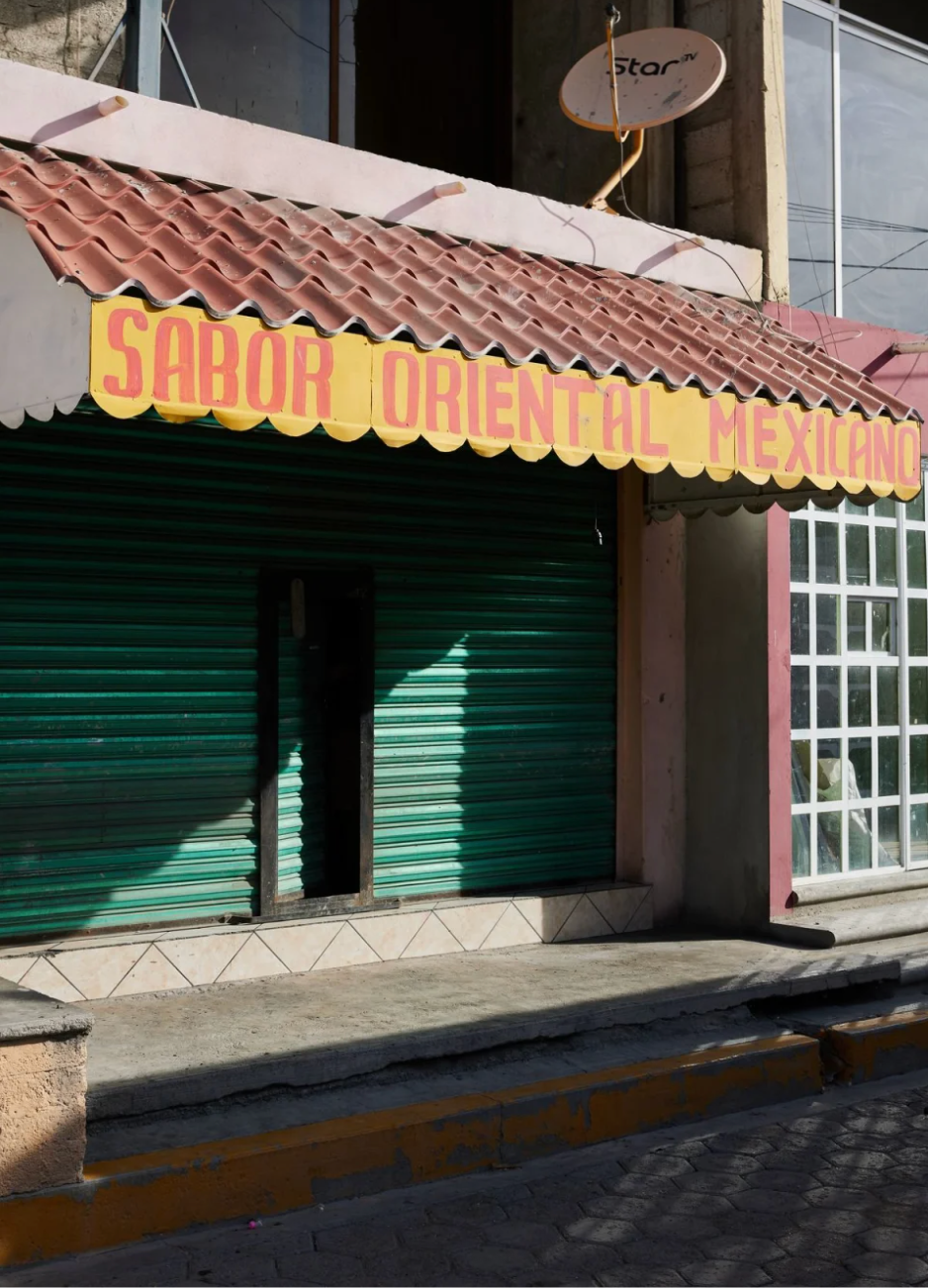
This inland town is a short drive from Chichén Itzá but miles away from the tourist crowds.
-
Affordable rentals around $400–$800/month
-
Excellent base for day tours to cenotes and Mayan ruins
-
Neighbors tend to be friendly, chatty, and happy to help with your trip
It’s low-key, well-connected, and filled with Instagram-worthy streets in pastel shades.
Also Worth a Visit
-
Tepoztlán, Morelos – New age meets mountain hiking. Close to the city, but full of rural magic.
-
Real de Catorce, San Luis Potosí – A ghost town turned arts hub in the north. Remote, surreal, unforgettable.
-
Bacalar, Quintana Roo – Technically more touristy, but the Lagoon of Seven Colors makes it a visual and spiritual reset.

Quick Recap: What You’ll Find in the Countryside
-
Slower pace of life and stronger community ties
-
Coworking-ready towns with surprising availability
-
Affordable rents and better land-for-price ratio than any city
-
Opportunities to learn or practice Spanish in daily life
-
Access to culture, history, and yes—great coffee
In the Mexico countryside, you're not just passing through. You're building new routines in places that still have time to say good morning to their neighbors.
The Mexico Countryside Is More Than You Think
The Mexico countryside isn’t just farmland and dusty roads. It’s a rich patchwork of mountains, valleys, deserts, and villages that feel worlds away from the energy of Mexico City or other urban areas. Picture mist-covered peaks, slow mornings in local markets, and cobbled streets that haven’t changed much in decades. Here, residents aren’t rushing to beat traffic—they’re welcoming you with tamales and stories.
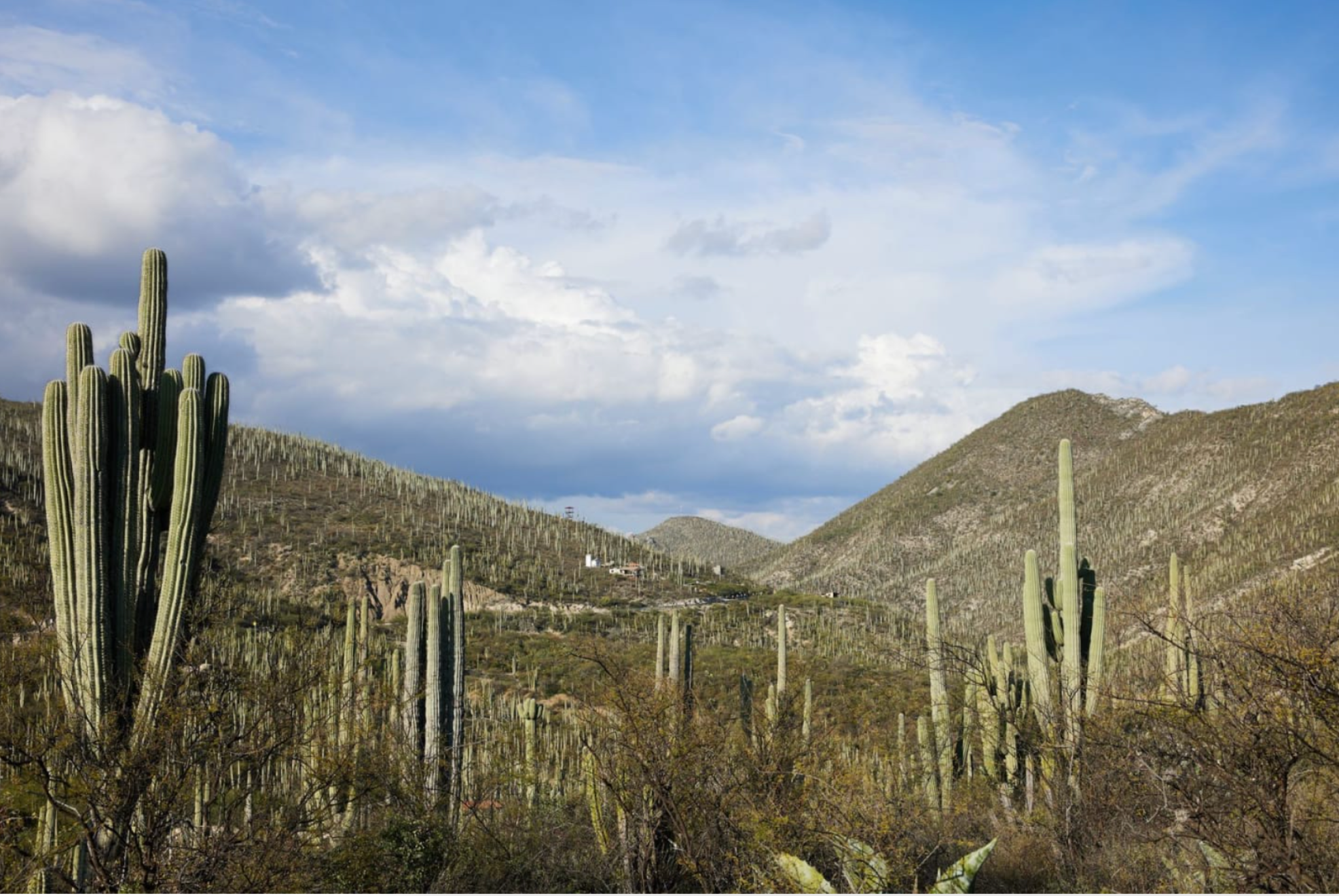
And while many digital nomads head straight for Puerto Vallarta or the Riviera Nayarit, those who venture inland often find more inspiration and fewer distractions.
According to a 2023 report from Statista, nearly 15% of international families relocating to Mexico choose smaller towns over major cities—drawn by quality of life, affordability, and access to nature.
Let’s break down the regions that make rural Mexico so compelling.
Why More Nomads Are Choosing the Mexico Countryside
If the hustle of Mexico City is starting to feel like too much, the Mexico countryside might be exactly what your brain—and your to-do list—need. A growing number of Mexicans are also leaving cities behind for a slower, more intentional lifestyle in rural areas, and for good reason.
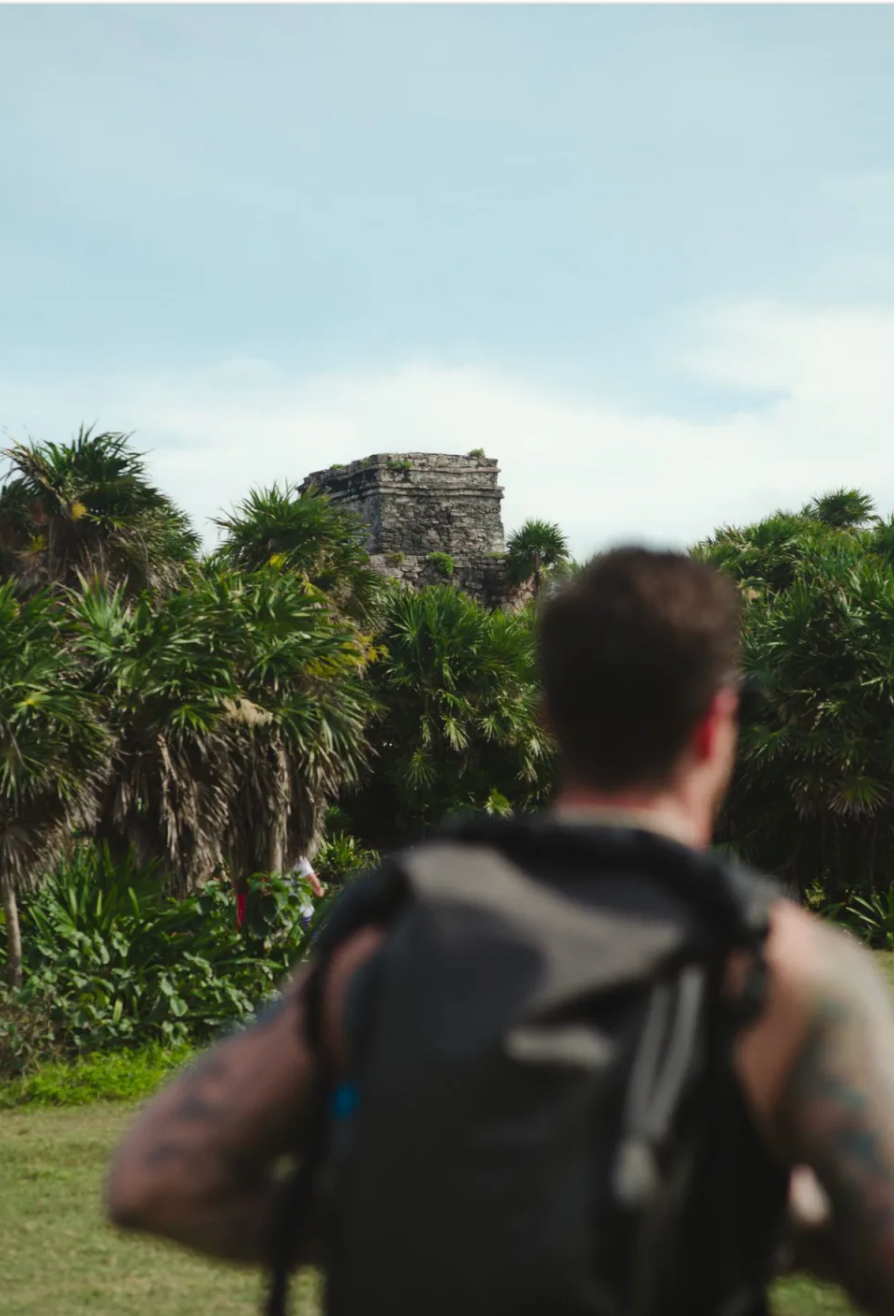
Whether you're working from a cabin in the mountains, a casita outside a colonial town, or a home surrounded by jungle, the perks go beyond scenery. Think better focus, fewer distractions, and a deeper connection to culture and community.
And it’s not just a trend. According to a 2022 government-funded report, nearly 1 in 4 people relocating within Mexico opted for small towns or countryside properties, especially those with access to fiber internet and local markets.
The Cost of Living Is Lower—But the Quality Isn’t
Renting a one-bedroom in San Cristóbal or Pátzcuaro can cost between $350–$600/month. That includes access to nature, great food, and sometimes even breakfast made by your host. It’s a fraction of what you'd pay in Canada or in bigger Mexican cities.
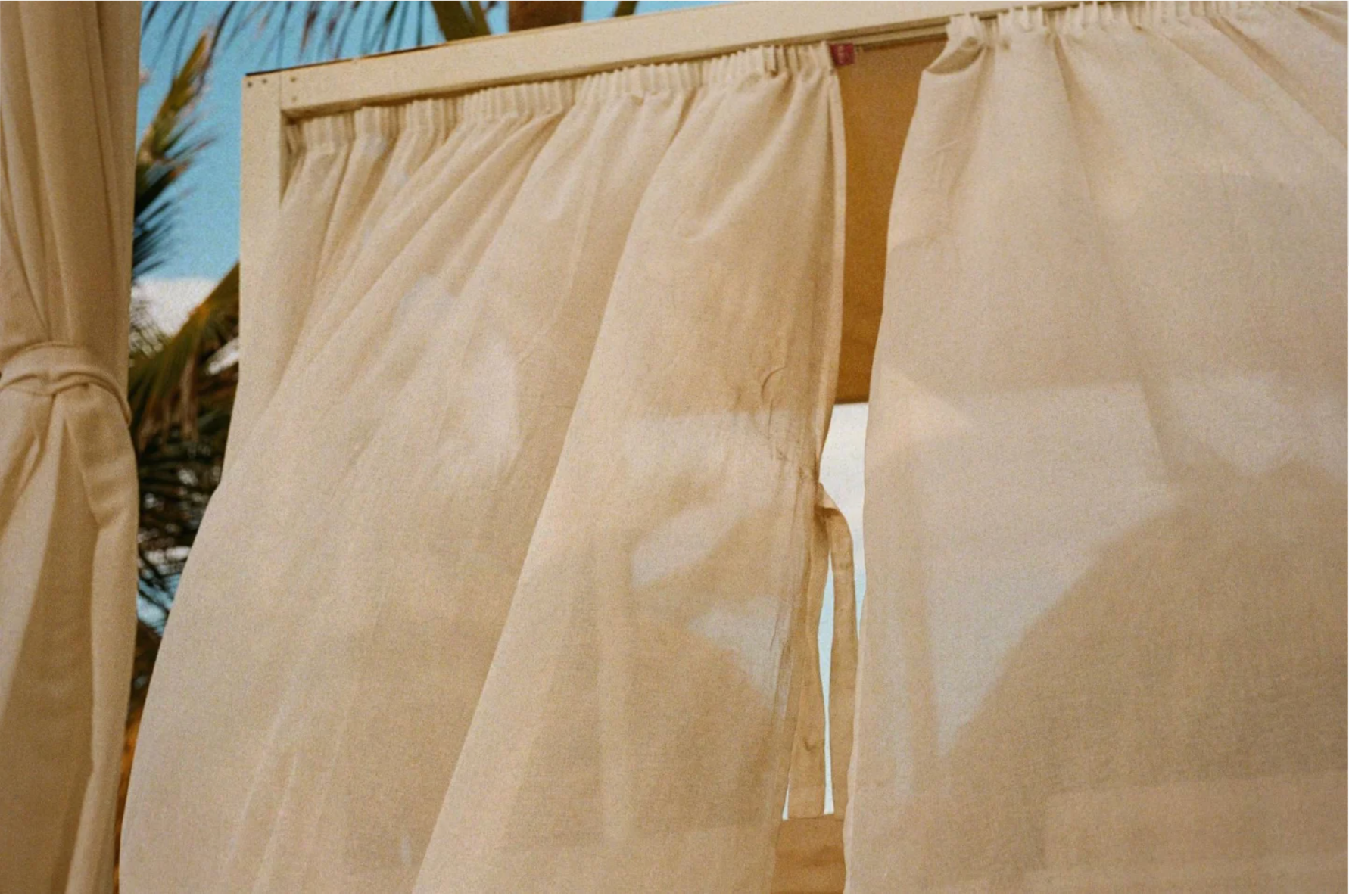
Groceries, utilities, and even coworking memberships are often half the price of what you’d find in center-based hubs like Guadalajara or Mérida.
Culture Feels Closer in the Countryside
In countryside Mexico, you're not just consuming culture—you're living inside it. You’ll shop at weekly tianguis (open-air markets), chat with your neighbors in Spanish, and learn the rhythms of local festivals, food, and folklore.
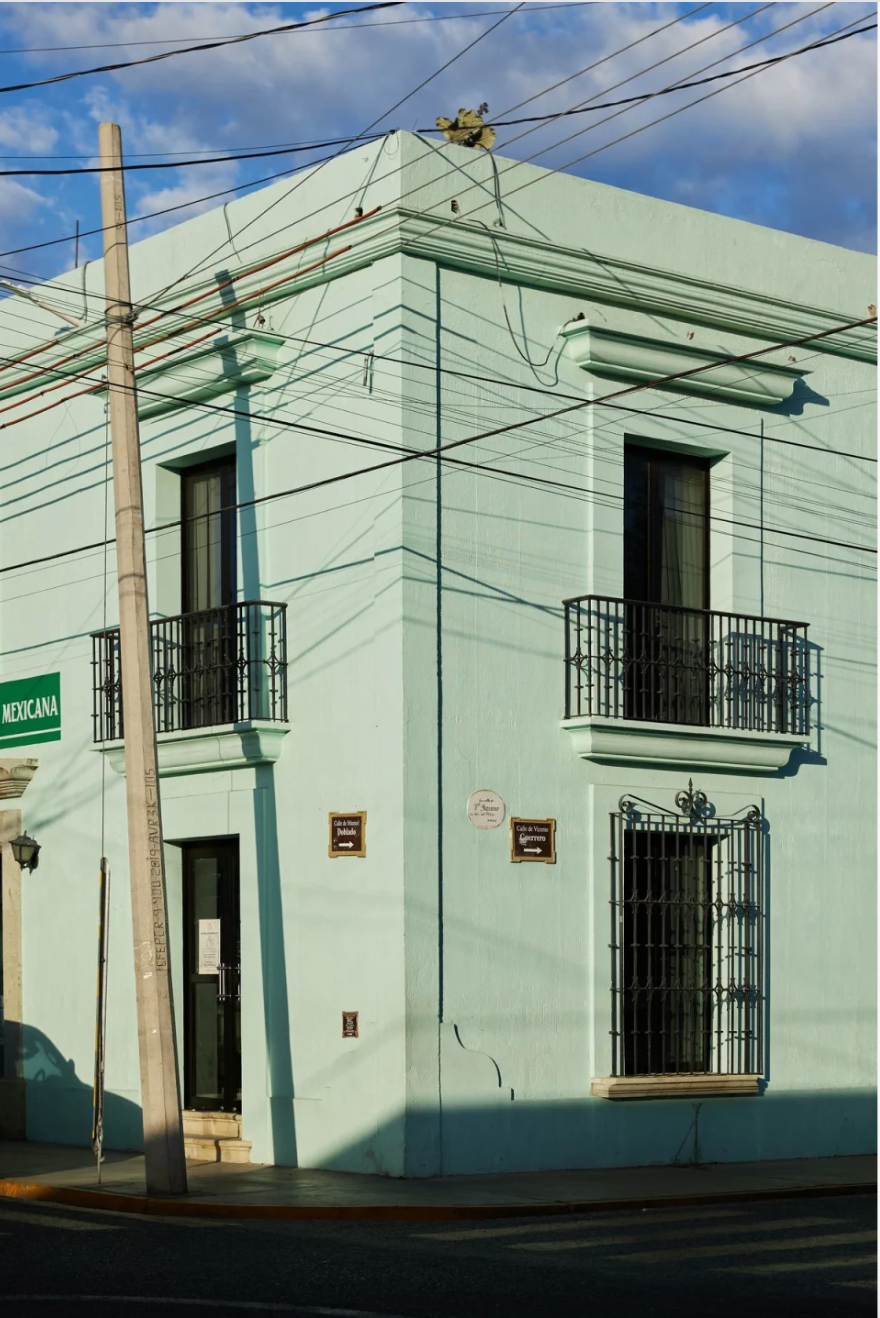
Many Mexicans who live in these towns still cook with family recipes, grow herbs in their patios, and greet you on the street. It’s the kind of connection most tourists miss entirely.
More Nature, Fewer Notifications
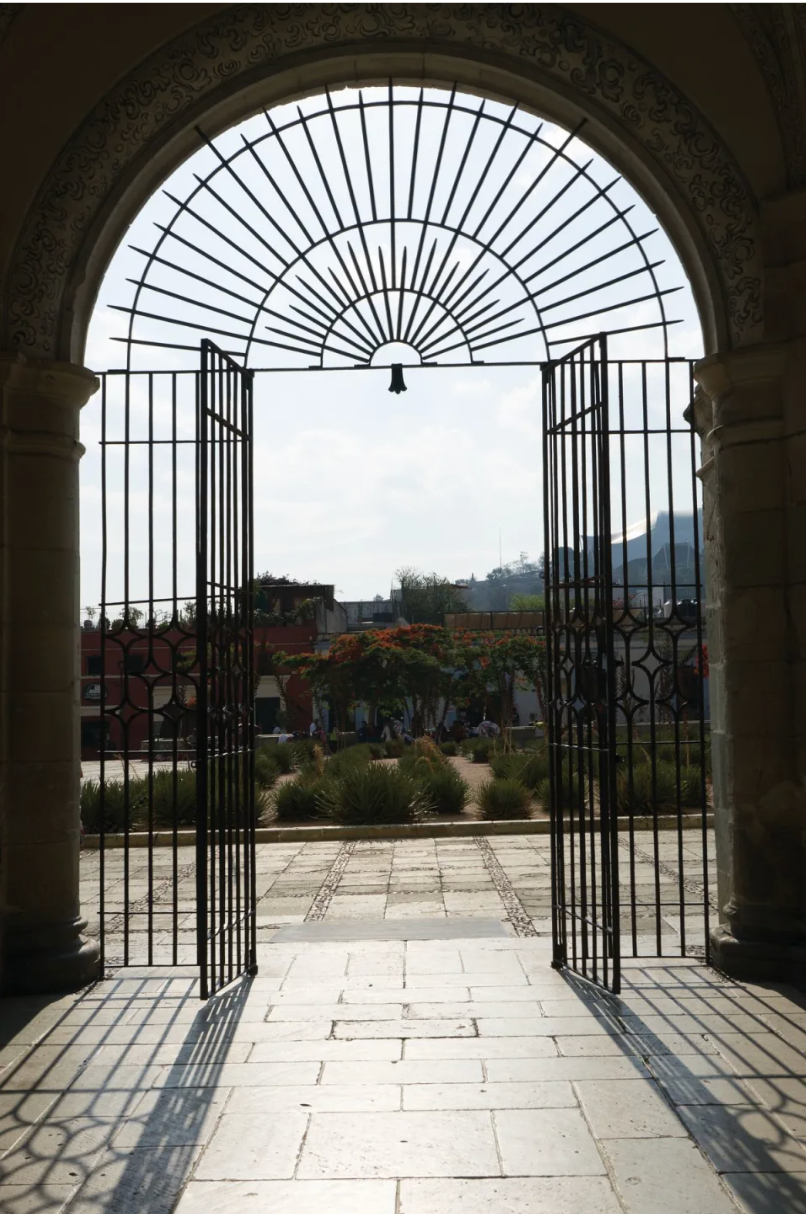
Here, your daily backdrop is all rolling hills, clear lakes, and pine forests—not subway ads or construction noise. You’ll find hot springs near Valle de Bravo, hikes in the Sierra Norte, and cenotes near Valladolid—all within a two hour drive of town centers.
It’s also a win for sustainable living: fewer cars, less pollution, more balance.
Stronger Focus, Smaller Distractions
Fewer delivery apps, no TikTok-worthy brunch lines, and nothing to derail your deep work sprint. Countryside towns are made for focus. With stable Wi-Fi in most places and coworking spaces popping up even in remote spots, productivity doesn’t have to suffer.
Plus, slow mornings, long walks, and less screen time do wonders for creative output.
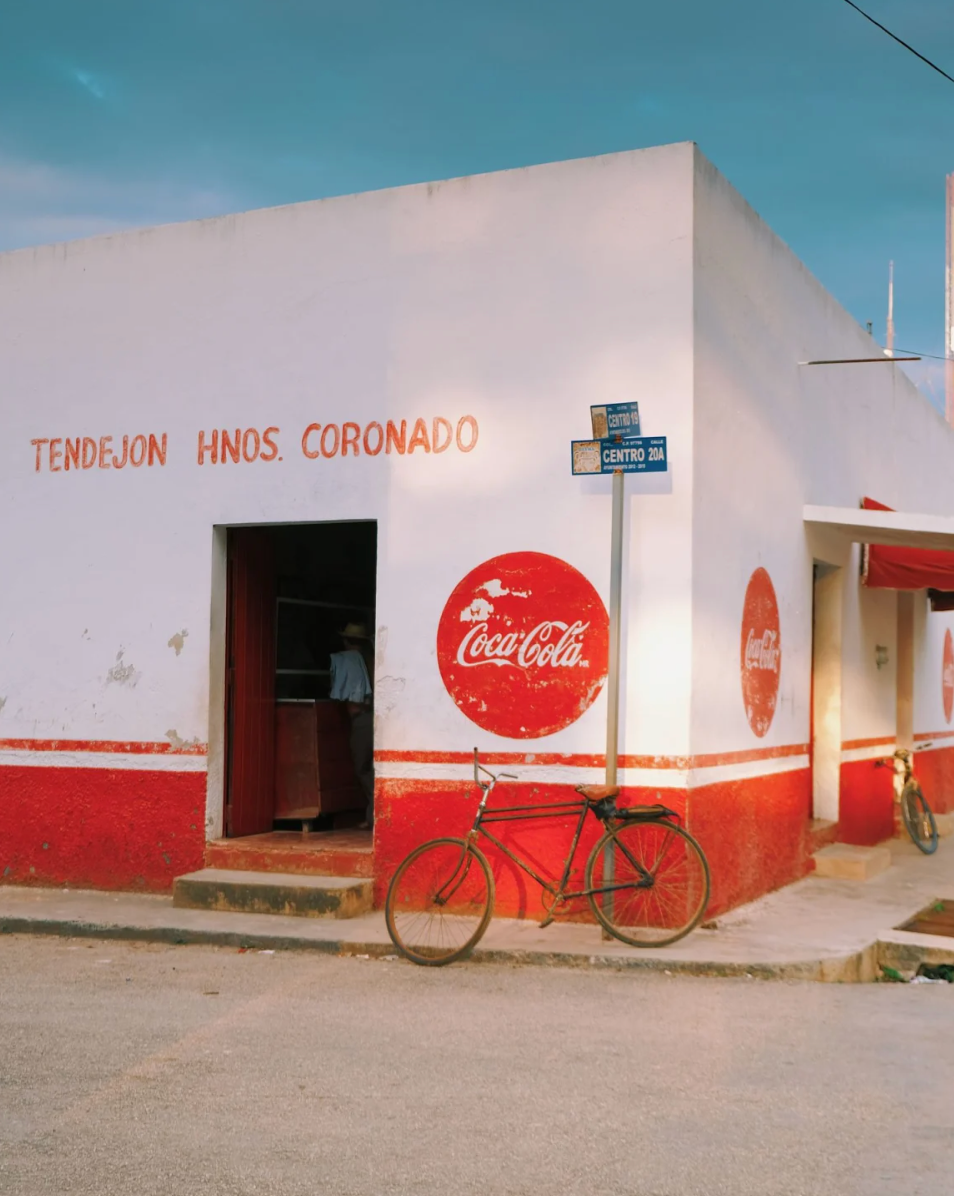
City vs Countryside: A Quick Look
| Feature | Mexico City | Countryside Mexico |
|---|---|---|
| Rent (1-bed apartment) | $800–$1,500 | $350–$600 |
| Commute time | 45 min – 2 hours | 5–15 minutes |
| Nature access | Parks and day trips | Mountains, lakes, trails |
| Noise level | Constant background buzz | Crickets and roosters |
| Cultural immersion | International events | Local programs and traditions |
Is Rural Mexico Right for You?
-
You work best when surrounded by calm
-
You’d trade Uber Eats for market veggies
-
You want to stretch your budget without sacrificing quality
-
You're open to slowing down—not dropping out
If that sounds like you, it's time to rethink what a “productive trip” looks like. The Mexico countryside isn’t just a break from the city—it’s a new way of living.
Working Remotely from the Mexico Countryside: What You Need to Know
According to a 2023 Airbnb report, 1 in 5 long-term guests in Mexico are now choosing towns outside major cities, driven by lower costs, better services, and improved digital infrastructure. The availability of local roads, public transportation, and proximity to bus stations or airports can also make it easier for friends and family to make visits to rural areas, increasing the frequency and convenience of hosting visitors.
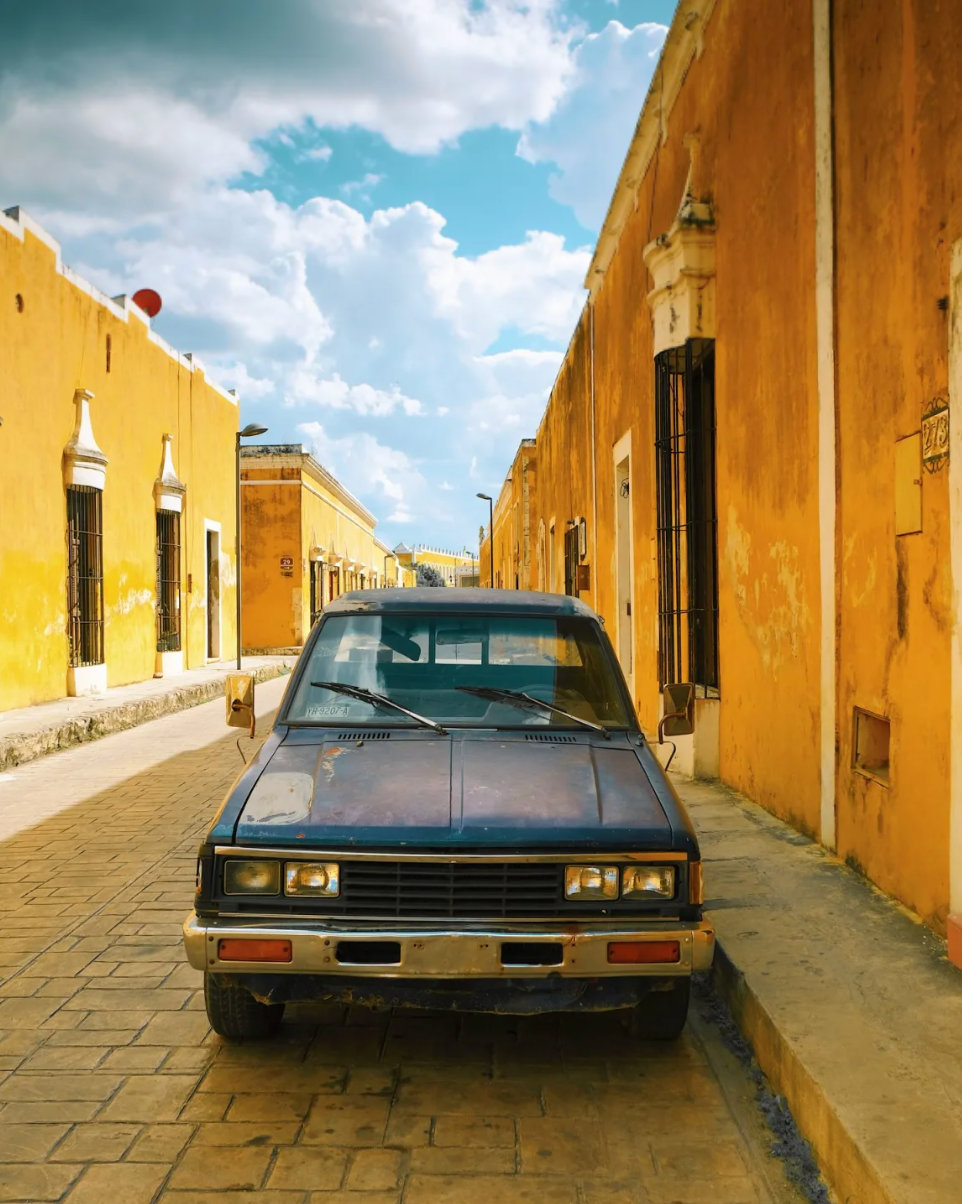
Wi-Fi and Power: Yes, But Ask First
Connectivity has come a long way in recent years. In places like San Cristóbal, Valle de Bravo, or Valladolid, fiber internet is available in central areas. Still, speeds can vary—especially in family-run boutique hotels or Airbnb-style homes. Always ask for a screenshot of a speed test before booking.
- Pro tip: Bring a backup battery and download offline files—especially if your rental is a 30-minute drive from the nearest hospital or airport.
Infrastructure and Essential Services
Water, electricity, and waste systems are generally stable in towns with more residents and better tourist flow. Places included in the “Pueblos Mágicos” program tend to have more public investment, especially in walkability, lighting, and maintenance.
Need healthcare? Most larger rural towns have basic hospitals or clinics. For anything urgent, keep a map of the nearest city with a full-service facility, as living in the countryside can mean limited access to essential services such as healthcare and education.
Finding a Community in Rural Mexico
You won’t find dozens of coworking spaces in most rural areas, but what you might find instead: a few designers working from a café patio, a local writers' meetup, or a long-term tour guide who’s secretly building an app.
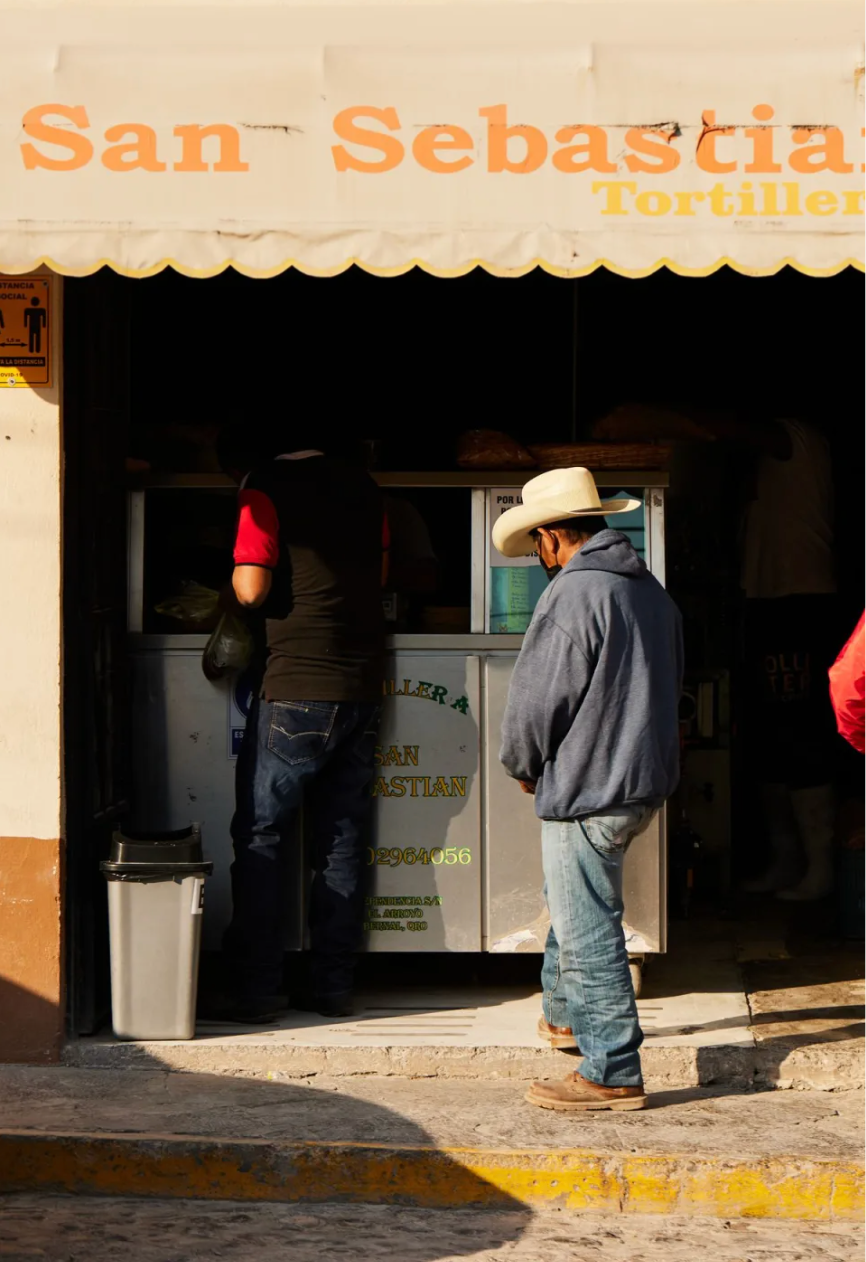
Places like Todos Santos, Pátzcuaro, and Tepoztlán have small but tight-knit creative scenes made up of expats, remote workers, and entrepreneurs. Many are part of local women-led initiatives or sustainability-focused projects that welcome new faces.
Accommodations That Work (Literally)
Forget shared hostels or flimsy kitchen chairs. These are the top types of stays that support productive workdays and restful nights:
-
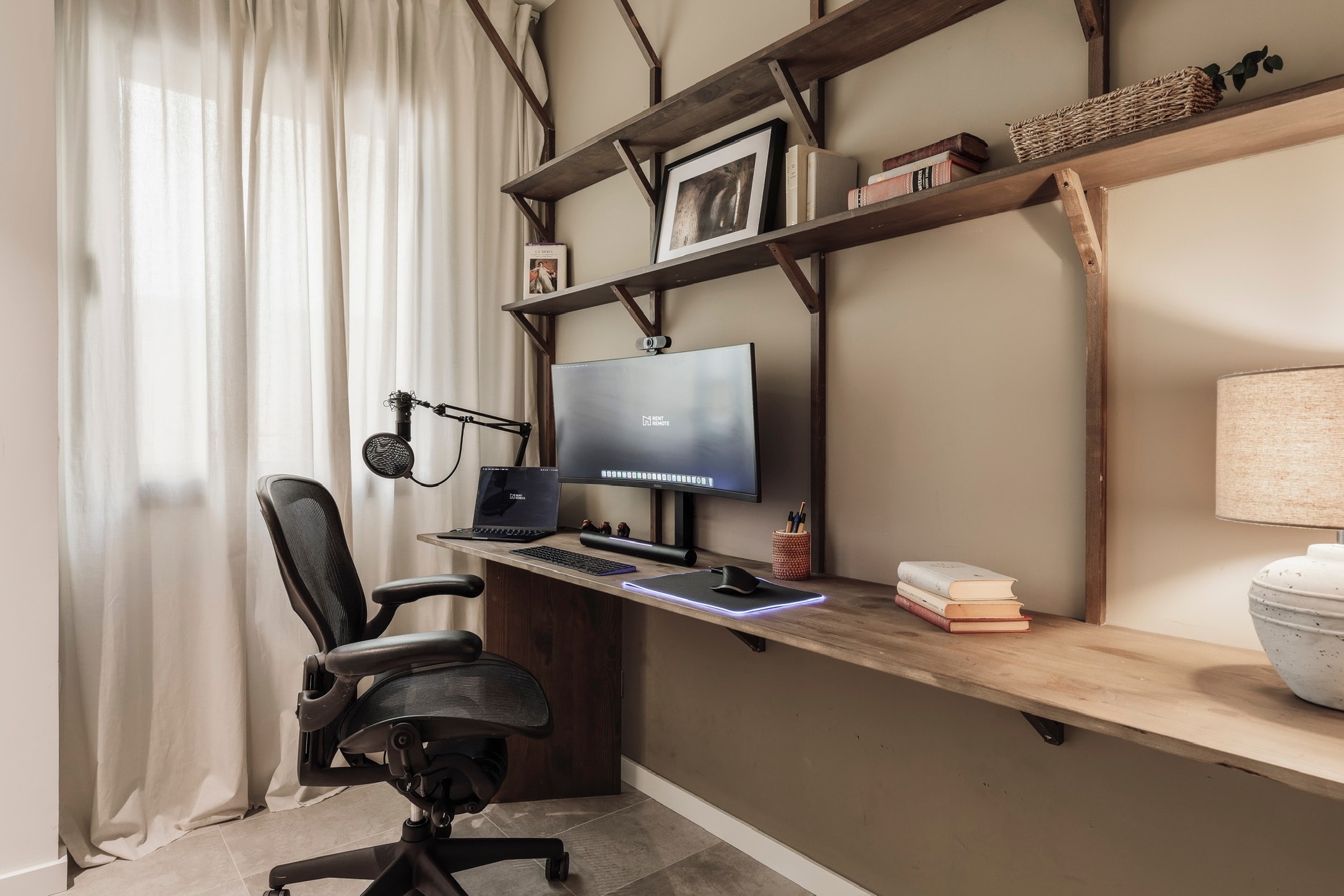
Furnished homes with solid desks and stable Wi-Fi (often $500–$900/month)
-
RentRemote furnished apartments in Mexico City, fully equipped for remote work with workspaces
-
Coliving spaces like Casa MUSA (Valle de Bravo) or Centralita's creative residencies
-
Boutique stays with on-site cafés and work nooks
-
Extended-stay apartments near town centers or restaurants
Bonus: Some properties offer discounted long-term rates if you pay upfront for multiple weeks.
Maintaining Momentum While Living Slower
In the countryside, your pace changes—but your ambitions don’t have to. Build in daily rituals: work early, walk to the site ruins at lunch, and schedule calls before the town quiets down at dusk.
With fewer distractions and a little planning, working remotely from the Mexico countryside might just be your most productive chapter yet.
Best Time to Visit the Mexico Countryside
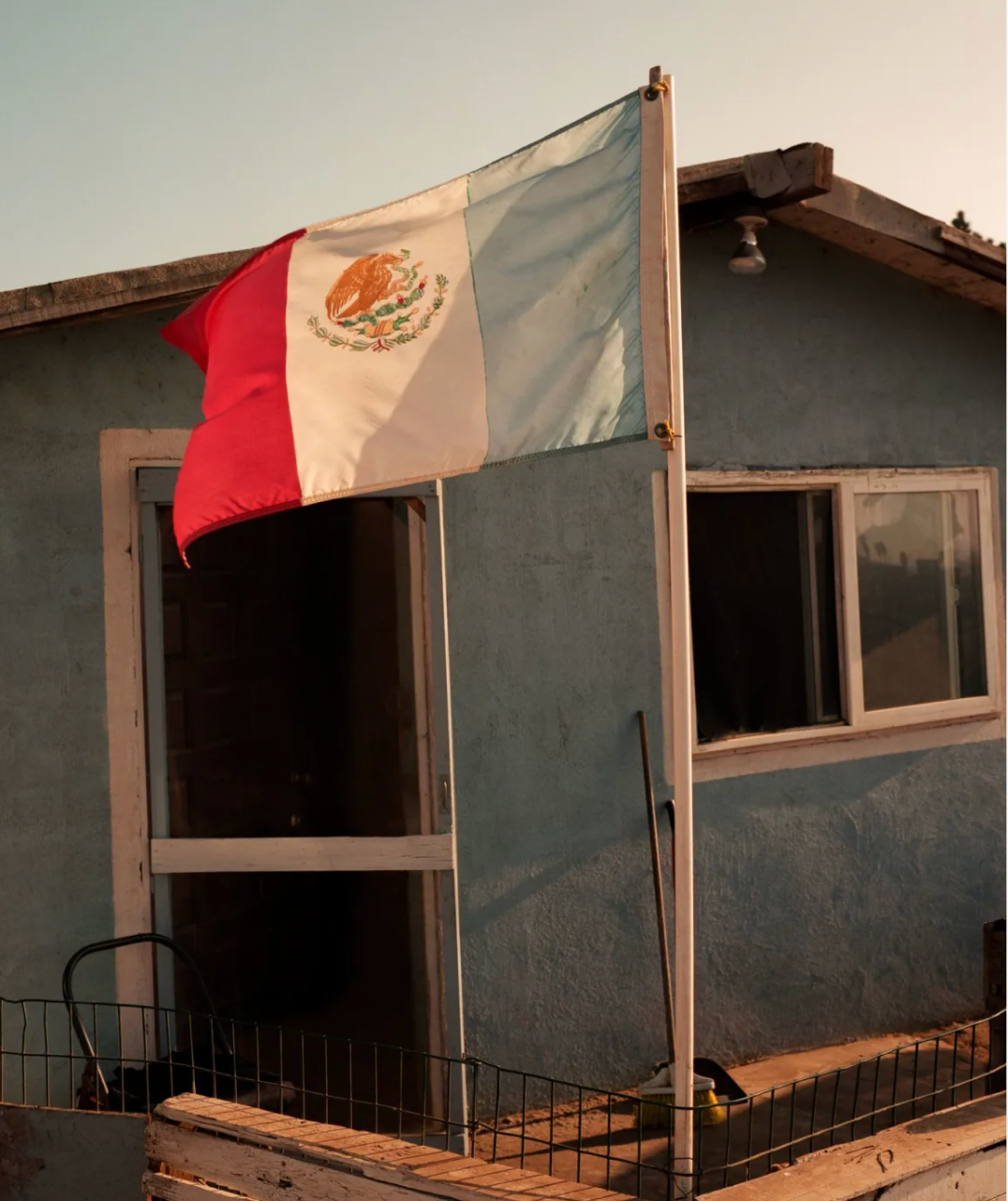
Timing your journey through the Mexico countryside is more than just picking a month—it’s about knowing what kind of living you want while you’re there. Are you looking for cool mountain mornings to boost your focus? Or dry winter days for cenote-hopping? Whether you’re chasing sun, inspiration, or just stable Wi-Fi, there’s a season for that.
The good news: rural Mexico covers diverse climates, so no matter when you visit, there’s usually a region that’s working in your favor.
According to data from Mexico’s Secretariat of Tourism, over 40% of domestic travelers (mostly Mexicans) plan their tour around weather conditions, especially when visiting inland towns and countryside sites. Here’s what to expect.
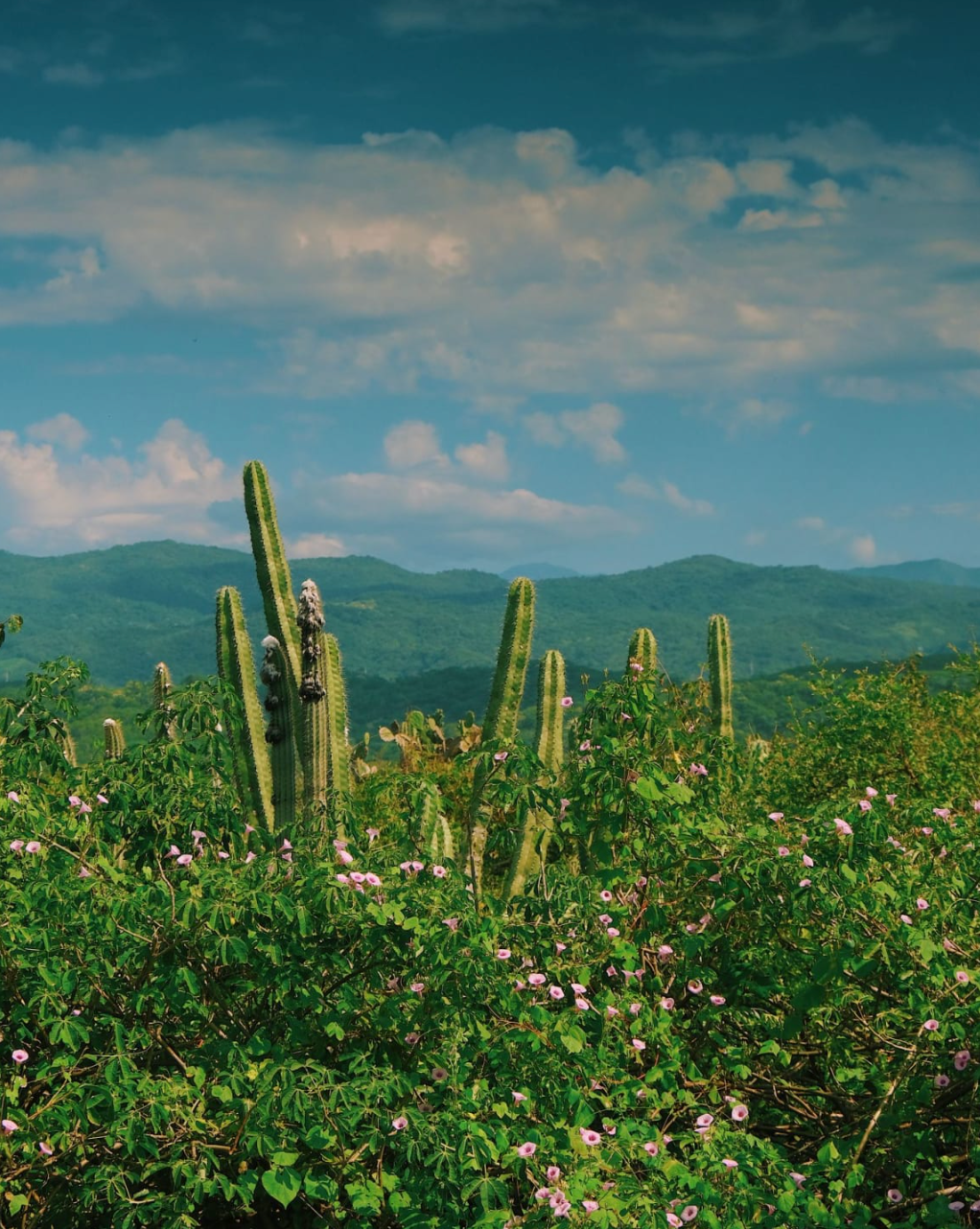
Highlands: Cool, Calm, and Perfect for Focus
Towns like San Cristóbal de las Casas, Pátzcuaro, and Valle de Bravo sit high in the mountains and enjoy spring-like temperatures year-round. Days average 18–24°C (64–75°F), with cooler nights. It’s ideal for deep work—and layering up.
-
Rainy season: June to September (usually light, afternoon showers)
-
Great for long stays, school-age children, and a cozy cup of café de olla
Yucatán Interior: Best Enjoyed in the Cooler Months
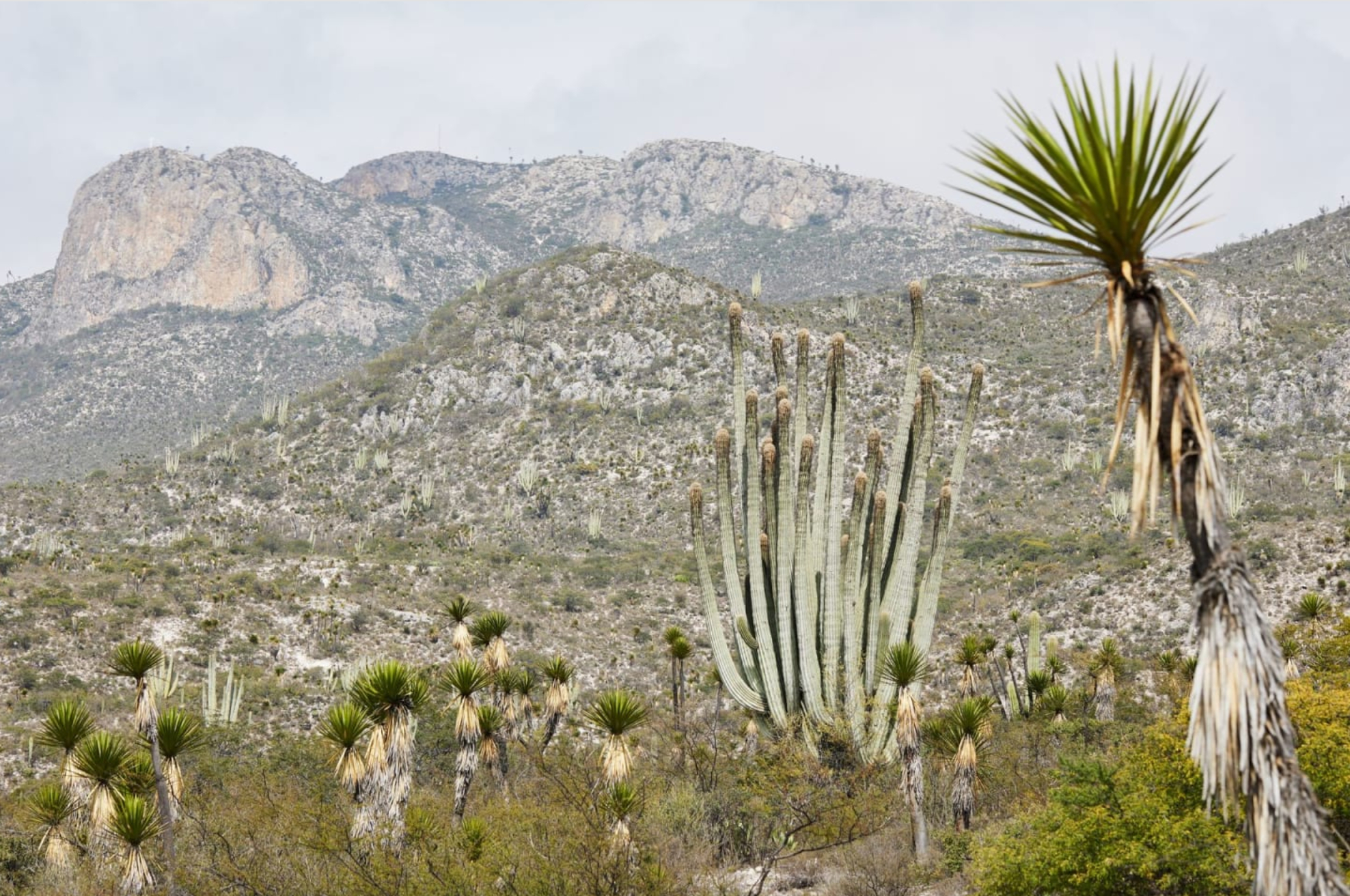
If you’re eyeing Valladolid or Izamal, go between November and March. Summers here are humid and heavy, with temps reaching 38°C (100°F) and sudden tropical storms.
-
Winter is dry, sunny, and easier on your energy levels (and your laptop)
-
Bonus: this is also when most cultural programs and local festivals happen
Baja California Sur: Sunshine and Silence
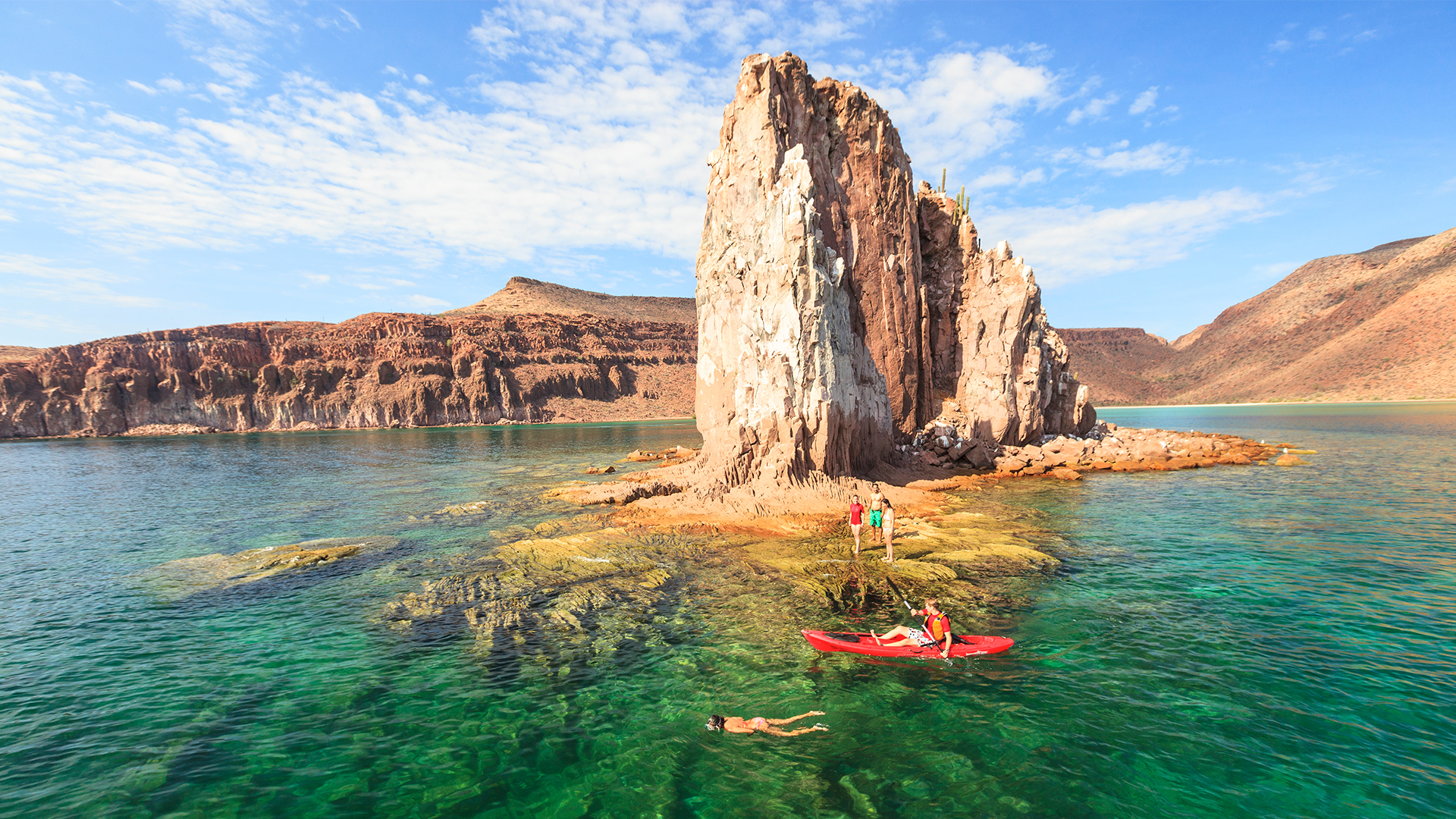
The desert-meets-ocean climate makes Baja ideal in fall and winter. Think Todos Santos, El Triunfo, or even lesser-known inland towns with big skies and sea breezes.
-
October to April = sunny days, low humidity, 22–28°C (71–82°F)
-
Avoid mid-summer if you’re not used to dry heat
This region is especially popular among solo travelers and women-led retreat groups—less crowds, more calm.
Chiapas: Lush and Temperate—With a Side of Rain
Chiapas stays pleasantly mild most of the year thanks to its elevation. But May to October brings heavy rains, especially in jungle-adjacent areas.
-
Plan your visit for November to April for easier hikes, clearer roads, and drier gear
-
Expect eco-stays and schools to operate on low season pricing after Easter
Mexico Countryside Weather Cheat Sheet
Align your countryside plans with your productivity goals:
-
Best for year-round focus: Highlands
-
Best for sunny coworking mornings: Baja
-
Best for budget-friendly stays: Chiapas (off-season)
-
Best for culture and heat avoidance: Yucatán in winter
Whether you're mapping out your route with a notepad or a Notion board, seasonality can shape your entire experience—from how much you sweat to how well your hotspot works. Plan smart, and your time in countryside Mexico will be less weather stress, more creative inspiration.

Practical Tips for Staying Safe and Sane in the Mexico Countryside
The Mexico countryside is peaceful, scenic, and often just the reset you need—but like anywhere off the beaten path, a little preparation goes a long way. Whether you're heading into the Sierra Norte or spending a slow month near the Riviera Nayarit, staying grounded (and connected) is part of making rural living sustainable.
According to a 2022 INEGI survey, over 30% of long-term travelers in Mexico reported that lack of local knowledge—not infrastructure—was their biggest challenge when staying outside major cities. Here's how to travel smart, stay safe, and keep your head in the game.
Safety Basics: Small Town Doesn’t Mean Risk-Free
The general vibe in rural towns is calm, but that doesn’t mean you can skip street smarts.
-
Avoid walking alone in isolated areas after dark
-
Stick to sites and towns recommended by locals or fellow travelers
-
Ask hosts or neighbors about any off-limits spots
-
If you’re traveling solo, let someone know your daily plan—especially if you’re heading into nature
In most countryside towns, community is strong and crime is low, but it’s still smart to take precautions.
Internet & Power: Ask Before You Book
In the Mexico countryside, some homes boast fiber internet. Others... don’t. Always ask for a recent speed test (screenshot or video) if you're planning to stay more than a week. Anything under 15 Mbps download might slow you down, especially for video calls.

Power cuts are rare in larger towns but can happen in more remote areas, especially during storms. A backup battery and local SIM card with hotspot capability will save you when you need to work offline.
Getting Around: Local Buses vs. Renting a Car
Transport varies depending on your region. In central highlands towns like Pátzcuaro or San Cristóbal, you can walk most places or grab cheap colectivos ($1–2 a ride). In more remote areas—or places like the Riviera Nayarit—you might want a rental car for day trips or grocery runs.
-
Rental car: ~$25–$35/day
-
Local bus routes: Frequent and affordable, but not always fast
Before you go, check Google Maps or Rome2Rio to see if you're staying near a bus line or if you're in “you’ll need a car” territory.
Health and Comfort: Altitude, Clinics, and Digestive Peace
Many highland areas are above 2,000 meters, which can cause headaches, fatigue, or dizziness the first few days. Take it slow, drink more water than usual, and skip the mezcal till you’re adjusted.
For food, trust your gut. Literally. Rural food is fresh and flavorful, but your stomach might need time to adjust. Avoid street meat the first week, and carry activated charcoal or electrolytes just in case.
Clinics are common in mid-size towns and consultations range from $10–$25. Keep a pinned airport and medical site in your map app in case you need to head to a bigger city.
Have a City Backup Plan
No matter how charming the pueblo, it’s always a good idea to have a city within reach. That’s your Plan B for coworking, gear repair, hospitals, or catching a flight.

-
If you’re in the Sierra Norte, Oaxaca City is your safety net
-
Near the coast in Baja? La Paz has a good expat medical scene
-
In central Mexico? Querétaro or Guadalajara are both easy launchpads
Essential Gear for your Countryside Stay
-
Local SIM with generous data
-
Portable power bank
-
Reusable water bottle with filter
-
Pre-downloaded map of your area
-
Offline docs and client notes in case the cloud fails you
The Mexico countryside is all about balance—between remote charm and real-world logistics. Plan a little, ask locals for tips, and don’t expect the same flow you’d find in a city. That’s part of the inspiration.
Education and Schooling in Rural Mexico
Education is a cornerstone of life for many families considering a move to the Mexican countryside. While rural areas may not offer the same range of schooling options as urban areas like Mexico City, there are still plenty of ways for families to ensure their children receive a quality education while enjoying the unique lifestyle and culture of countryside living. Whether you’re relocating for a slower pace of life, a deeper connection to nature, or simply seeking a new adventure, understanding the educational landscape is key to making the most of your time in rural Mexico.
Options for Families and Long-Term Stays
For families settling into the Mexican countryside, there’s a surprising variety of educational paths. Local schools are often the heart of rural communities, providing children with a strong foundation in Spanish and a deep appreciation for Mexican culture. These schools can be a wonderful way for children to integrate, make friends, and experience the rhythms of countryside life firsthand.

If you’re looking for a more international approach, some regions offer schools with bilingual programs or curricula that cater to expat families. These schools may teach in English or other languages, and often blend global perspectives with local traditions. For those who prefer flexibility, homeschooling is increasingly popular among families in rural Mexico. With a wealth of online resources and support networks, it’s easier than ever to create a personalized learning experience that fits your family’s needs and travel schedule.
Local Schools vs. International Options
Choosing between local and international schools in rural Mexico depends on your family’s goals and lifestyle. Local schools immerse children in the language and culture, often with smaller class sizes and a close-knit community feel. This can be especially rewarding for families who want their children to become fluent in Spanish and truly connect with their neighbors.

International schools, while less common in the countryside than in urban areas, can be found in popular expat destinations like Puerto Vallarta and Riviera Nayarit. These schools typically offer a broader curriculum, sometimes following American, Canadian, or European standards, and are a good fit for families planning to move between countries or prepare their children for higher education abroad. Both options provide unique benefits, so it’s worth visiting schools, talking to other families, and considering what kind of cultural experience you want for your children.
Homeschooling and Remote Learning Resources
For families who value flexibility or travel frequently, homeschooling is a practical and increasingly popular choice in rural Mexico. The rise of online learning platforms means children can access high-quality education from anywhere, whether you’re in a mountain village or a lakeside town. Many families form homeschooling co-ops, creating a supportive community where children can learn, play, and explore together.
Local libraries, community centers, and even some countryside hotels offer resources and spaces for group learning. These community-driven solutions help families stay connected and ensure children have opportunities to socialize and participate in cultural activities. Whether you choose a traditional school, an international program, or homeschooling, the Mexican countryside offers a welcoming environment for families seeking a rich, well-rounded education for their children.
Maintaining a Rural Home: What to Expect
Owning or renting a home in the Mexican countryside is a dream for many, but it comes with its own set of unique challenges and rewards. Unlike the fast-paced urban life of Mexico City, countryside living is defined by a slower pace, cobbled streets, and a close connection to the land and local community. Understanding what’s involved in maintaining a rural property can help you make the most of this lifestyle and fully embrace the charms of countryside Mexico.
Upkeep, Utilities, and Local Know-How
Rural homes in Mexico often require a bit more hands-on care than their urban counterparts. The surrounding landscape—whether it’s lush mountains, rolling valleys, or historic town centers—means you might be dealing with everything from maintaining cobbled streets to managing gardens and outdoor spaces. Utilities like electricity and water can be less predictable than in the city, so many Mexicans and expats learn to be resourceful, keeping backup supplies and staying prepared for occasional outages.

Access to services such as healthcare, shopping, and repairs may be more limited, but this is where the strength of the local community shines. Neighbors often help each other out, sharing tips and lending a hand when needed. Many rural towns have a strong sense of camaraderie, and local knowledge is invaluable for navigating everything from finding a reliable plumber to sourcing fresh produce at the market.
While the slower pace of countryside living means you might need to plan ahead for certain amenities, it also brings a richness to daily life that’s hard to find in the city. The natural beauty, vibrant culture, and welcoming spirit of rural Mexico make the extra effort worthwhile. Whether you’re drawn to the historic charm of a small town or the tranquility of a mountain retreat, maintaining a rural home is all about adapting to the rhythms of the land and enjoying the deep sense of connection that comes with countryside living. For many, it’s a lifestyle that offers not just a house, but a true sense of home.
Final Thoughts: You Don’t Have to Choose Between Serenity and Signal
The Mexico countryside isn’t just a break from city noise—it’s a whole new way of living. Yes, the pace is slower. But with the right setup, that’s exactly what makes it so powerful for focused work, creative bursts, and genuine rest.
You don’t have to pick between being productive and being present. You can have both—cobblestone streets and strong Wi-Fi, mountain air and Monday meetings.
Explore RentRemote’s furnished homes and discover which towns in the Mexican countryside might just be your next base.

Frequently Asked Questions
What’s the best season to visit the Mexican countryside?
Fall and winter (October to March) are ideal for most regions—offering cooler temps, less rain, and better working conditions across the board.
Is life in the countryside cheaper than in cities?
Yes. You’ll often pay 30–50% less for rent, food, and basic services compared to major urban centers like Mexico City or Guadalajara.
What are the best rural towns in Mexico for slow travel?
Top picks include San Cristóbal de las Casas, Valle de Bravo, Pátzcuaro, Todos Santos, and Valladolid. Each offers a unique blend of culture, nature, and infrastructure suited for remote workers.
Can you work remotely from rural Mexico?
Absolutely. Many countryside towns now offer stable internet, especially in central areas or work-friendly accommodations. Just be sure to request a speed test before booking long-term.
Is the Mexican countryside safe for digital nomads?
Yes, many areas are safe—especially well-known towns like San Cristóbal or Valle de Bravo. As always, research your destination, avoid isolated areas at night, and ask locals for up-to-date guidance.