









Visiting Madrid vs Barcelona: Which City Offers the Best Experience for Digital Nomads?
Explore the unique charms of Madrid and Barcelona. Discover which city offers the best experience for your next adventure. Read more to find out!
Madrid and Barcelona: Spain’s Ultimate City Comparison
So you're planning a trip to Spain and can’t decide between Madrid and Barcelona? Trust me, you’re not alone. Both cities are packed with culture, food, and flair—but they offer two very different vibes.
This guide is here to help you figure out which city fits your remote lifestyle better. Whether you’re after flamenco and museums, or sunsets by the beach, we’ve got you covered. We’ll compare everything that actually matters for nomads—cost, coworking, coffee, and weekend day trips.
Let’s break it down so you can plan with confidence.
Visiting Barcelona vs Madrid: Which Should You Choose?
-
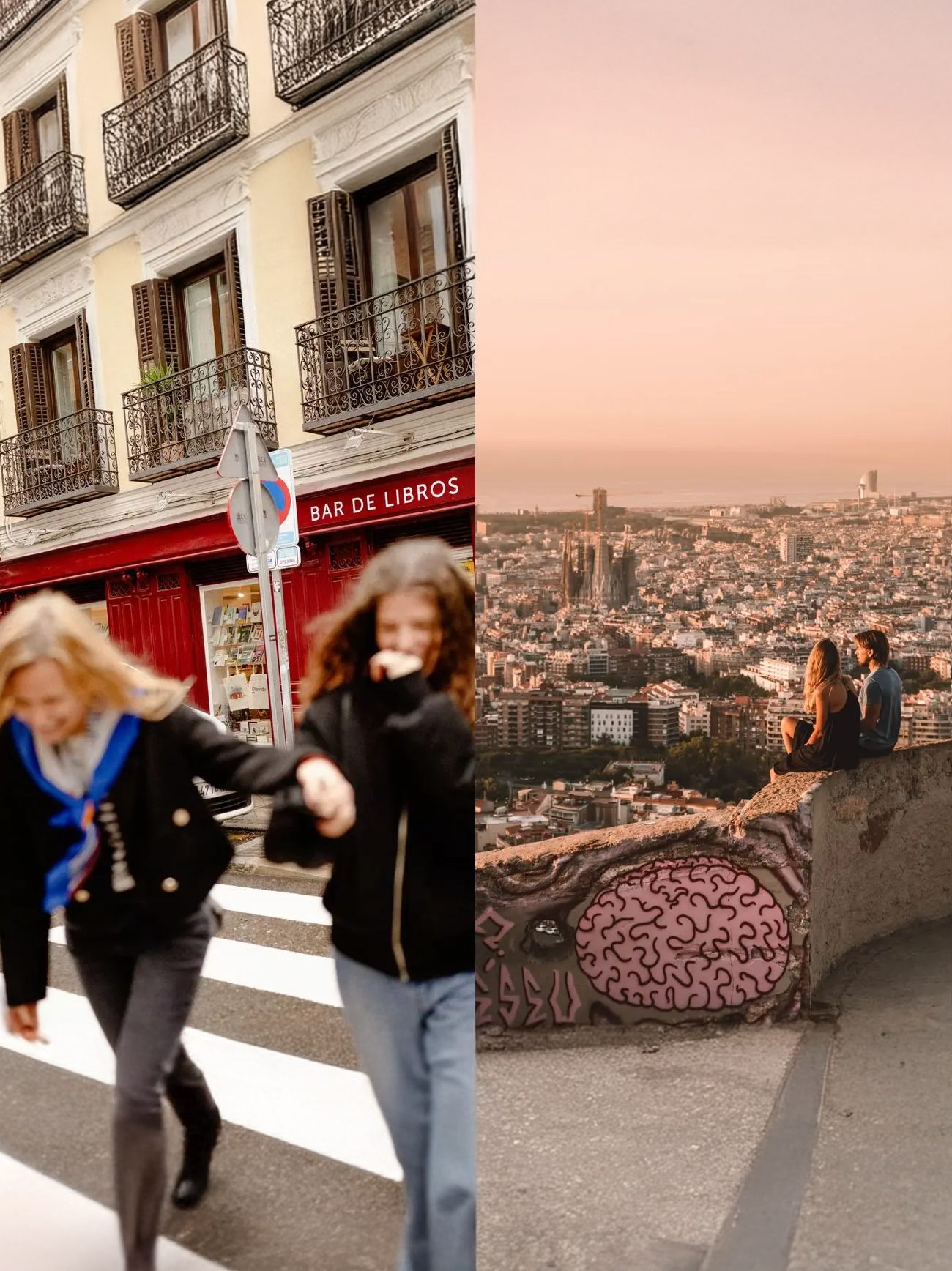
Want Gaudí, sea views, and trendy cafés? Consider visiting Barcelona.
-
Prefer tapas, literary bars, and grand plazas? Madrid’s your place.
-
Both offer strong WiFi, vibrant local scenes, and easy access to southern Spain and beyond.
Ready to choose your next base? Keep reading.
Madrid vs Barcelona: At a Glance
Trying to pick between Madrid and Barcelona? You’re not alone. These two Spanish cities both deliver unforgettable food, culture, and coworking—but in very different ways. This quick comparison breaks down the essentials to help you choose your perfect base.
| Feature | Madrid | Barcelona |
|---|---|---|
| Vibe | Gritty, cultural capital | Beachy, laid-back creative hub |
| Cost of Living | Slightly cheaper overall | Higher rent in peak areas |
| Internet Speed | Excellent | Excellent |
| Coworking Scene | Large, well-established | Trendy, design-forward |
| Safety | High, especially central zones | Also high, more tourist-related petty theft |
| Transport | Metro-rich, central rail access | Efficient but narrower metro network |
| Beach | ❌ No | ✅ Yes |
| Language | More Spanish-only locals | More English-friendly |
| Walkability | High | High |
| Best For | Culture lovers, foodies, city explorers | Creatives, beach lovers, design junkies |
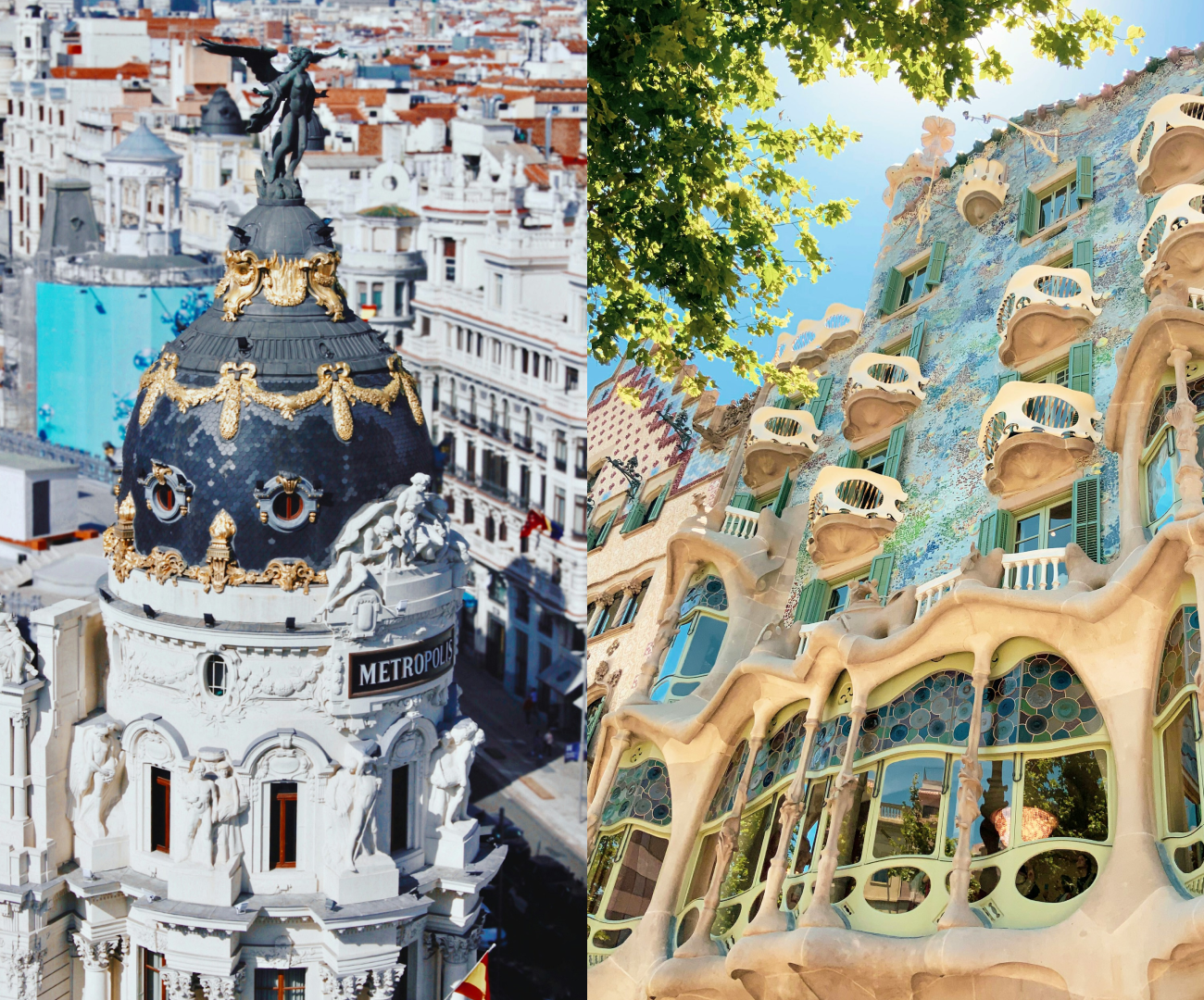
| Nomad tip: Madrid is ideal if you’re into museums like the Reina Sofía or the Royal Palace and plan to take lots of day trips across southern Spain. Visiting Barcelona, on the other hand, means easier access to the beach, bold modern art, and that postcard-perfect Sagrada Familia skyline. |
And here's a stat to keep in mind: according to Numbeo’s 2023 cost-of-living index, Madrid is about 11% more affordable than Barcelona, especially when it comes to rent and eating out.
First Impressions: What It’s Like to Visit Madrid or Barcelona
If you're choosing between Madrid or Barcelona, here's the truth: it's a tough one. Both cities have a long history, a lively street scene, and enough charm to keep even seasoned tourists coming back. But the day-to-day rhythm? Totally different. Whether it’s your first trip to Spain or you’re scouting your next remote-work base, knowing the local vibe helps.
Madrid: Grand, Gritty, and Full of Energy
Madrid moves fast—but with style. In the city center, you’ll find historic boulevards, elegant cafés, and locals lingering over wine at 11 PM. It’s a capital that embraces its roots: flamenco still echoes in dive bars, and the Reina Sofia and other art museums stay packed with locals, not just tourists.

If you're someone who thrives in high-energy, urban spaces, this might be your match. Bonus: you’ll hear Spanish more than English, so brush up on your language skills—locals appreciate the effort.
Barcelona: Creative, Coastal, and Totally Chill
Visit Barcelona, and you’ll feel the pace drop. There's a breeze off the sea, mosaic tiles under your feet, and cobblestone streets in El Born that practically force you to slow down. The city blends modern art, Gothic alleyways, and easy access to the world’s best beach breaks.

It’s more compact than Madrid and feels effortlessly international. Expect to meet other nomads over cold vermouth or at a seaside coworking space with hammocks.
Quick Vibe Snapshot
-
Madrid: Metropolitan buzz, layered history, and a bit of hustle.

-
Barcelona: Mediterranean vibes, creative energy, and palm-lined calm.

-
Both Madrid and both Barcelona offer great day trips—but the home base you choose will shape your entire stay.
According to InterNations’ 2023 Expat City Ranking, Barcelona, Spain ranked higher for overall quality of life, while Madrid scored better for ease of settling in—especially for longer stays.
If you're after art, tapas, and tradition, Madrid wins. If you want sunlight, sea air, and design-forward neighborhoods, Barcelona might steal your heart.
Cost of Living in Madrid or Barcelona: Which City Is Easier on Your Wallet?
When you're deciding where to base yourself in Spain, one of the first questions is: how far does your euro actually stretch? In this cost showdown, we’re comparing Madrid or Barcelona—two Spanish cities with wildly different price tags depending on where you live and how you spend.
Madrid: Affordable Living with Big-City Perks
If you visit Madrid with long-term plans in mind, you’ll quickly notice the value. Rent in most neighborhoods is around 10–15% cheaper than in Barcelona. In Lavapiés or Delicias, a 1-bedroom apartment can range from €900–€1,100/month—even less if you're okay with a walk-up.

Food’s easier on the wallet too: a menú del día (starter, main, drink) at a local spot near Reina Sofia will run you about €12. Monthly metro pass? €55.
Barcelona: Beachside Living—at a Price
Barcelona has massive appeal, and it shows in the cost. Rent in El Born, Gràcia, or anywhere with beach access tends to start around €1,200/month for a basic 1-bedroom.

Thanks to its popularity with expats and tourists, this is a much more touristy city, and yes—tourists bring prices up. A flat white in Poblenou might cost €3.20, and coworking memberships often hover near €150–€180/month.
Still, you're getting what you pay for: beach mornings, modern art, and cobbled lanes that double as design inspo.

Real-World Nomad Budget Snapshot
-
1BR Apartment: €1,000 in Madrid / €1,300 in Barcelona
-
Coffee: €2.00 in Madrid / €2.70 in Barcelona
-
Coworking Pass: €120/month (average in both Madrid and Barcelona)
-
Grocery Haul: ~€35/week (fresh markets in both cities)
-
Art & Culture: Free entry on select days to art museums like the Prado or modern art galleries
Which City Is the Better Deal? Tapas, day trips, and savings.
Statistically speaking, Numbeo’s 2023 index ranks Madrid as roughly 11% cheaper overall than Barcelona, with housing being the biggest factor.
If you're here for a few months, Madrid offers more value for money. But if you’re okay with splurging on a room with a sea breeze, Barcelona gives you that Mediterranean lifestyle—just at a premium.
Nomad verdict: For cost-conscious remote workers, visit Madrid. You’ll still get world-class culture, killer tapas, and plenty of day trips without paying tourist-tier prices.

Work Setup and Internet in Barcelona and Madrid: What Digital Nomads Need to Know
Let’s talk about what really matters once you’ve unpacked your bags—WiFi, desk space, and how to actually get work done. Whether you prefer Madrid for its neighborhood charm or love Barcelona for its sunny café terraces, both cities are well-equipped for remote work. And if you’re deciding where to visit first based on work setup? This section will help you save time (and frustration).
Internet Speed in Madrid and Barcelona: Fast and Reliable
Across Barcelona and Madrid, you’ll find strong, stable internet connections—300 Mbps+ in most apartments. Whether you're on back-to-back Zooms or uploading massive design files, you're covered.

According to Speedtest’s 2023 global index, Spain ranks in the top 25 globally for fixed broadband speeds, and both cities score well above the national average.
Madrid Makes Workdays Easy
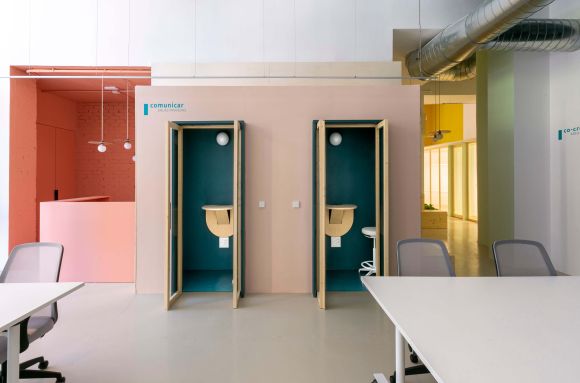
If you prefer Madrid, you’ll appreciate how embedded the coworking culture is. Neighborhoods like Lavapiés, Malasaña, and Salamanca have an impressive range of flexible spaces—from corporate polish to creative hubs.
Top coworking spots in Madrid:
-
LOOM Huertas: Steps from the city center, modern with daily passes from €25
-
Espacio Oculto: Art-meets-work in the south, perfect for hybrid creatives
-
The Shed CoWorking: Salamanca-based, sleek, and highly rated for focus
Cafés like Cafelito or Plántate are great for laptop sessions, but space can be tight post-lunch rush.
Barcelona for Creatives and Rooftop Zoom Calls
If your personal opinion leans coastal, you might prefer Barcelona for its stylish, design-forward workspaces. Coworking in Poblenou or Gràcia tends to mix Scandinavian interiors with laid-back charm—ideal if you want your screen time to come with soft lighting and a sea breeze.
Top coworking spots in Barcelona:
-
Norrsken House Barcelona: Beautiful marina views, starts around €150/month

-
Cloudworks Passeig de Gràcia: Clean, central, and popular with the nomad crowd
-
MOB Bailén: Funky and flexible, built for startups and freelancers
And for working outside the office? El Fornet can be found in most neighborhoods in Barcelona and has strong WiFi and surprisingly quiet corners for a tourist city.
Need a Plug-and-Play Work Setup?
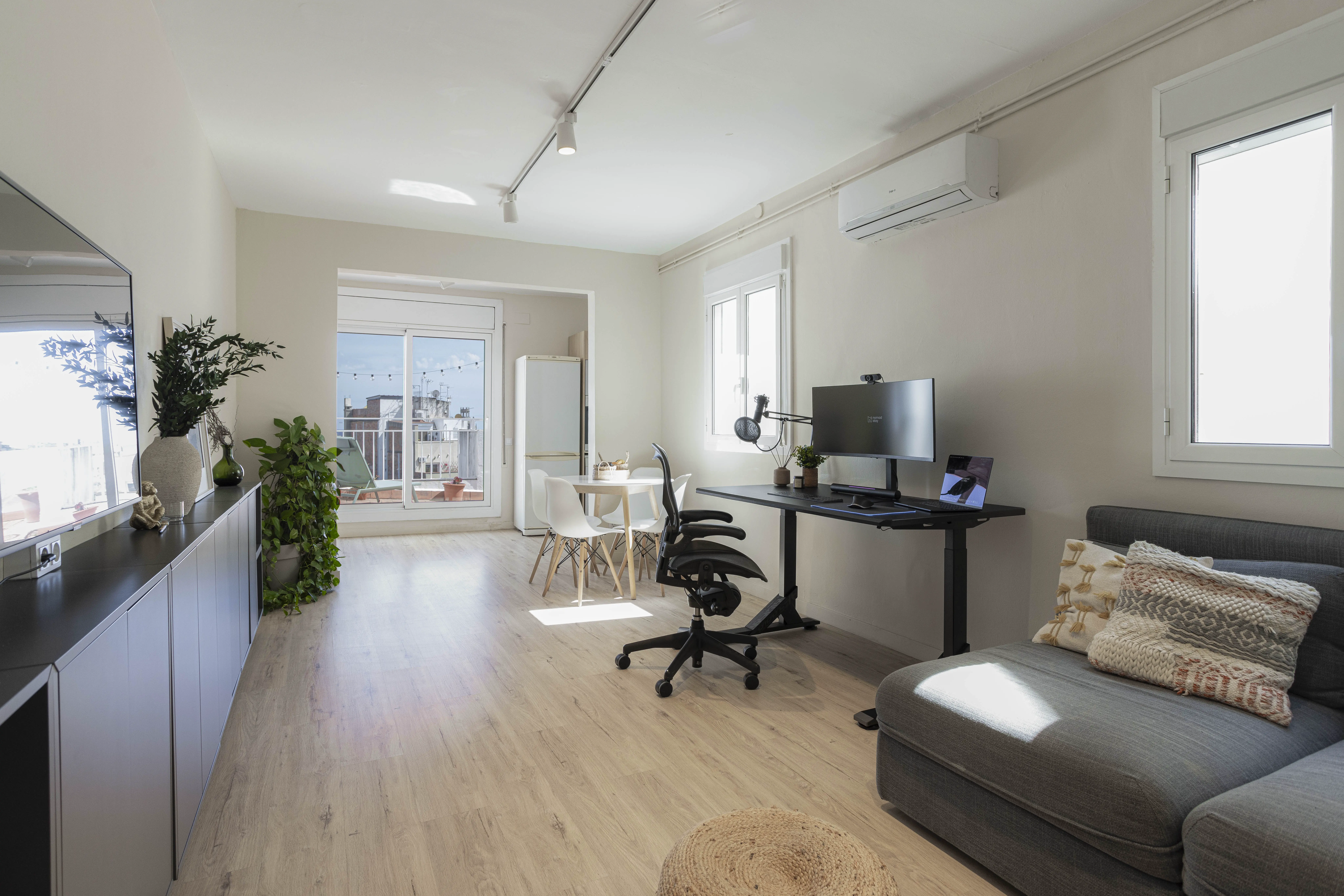
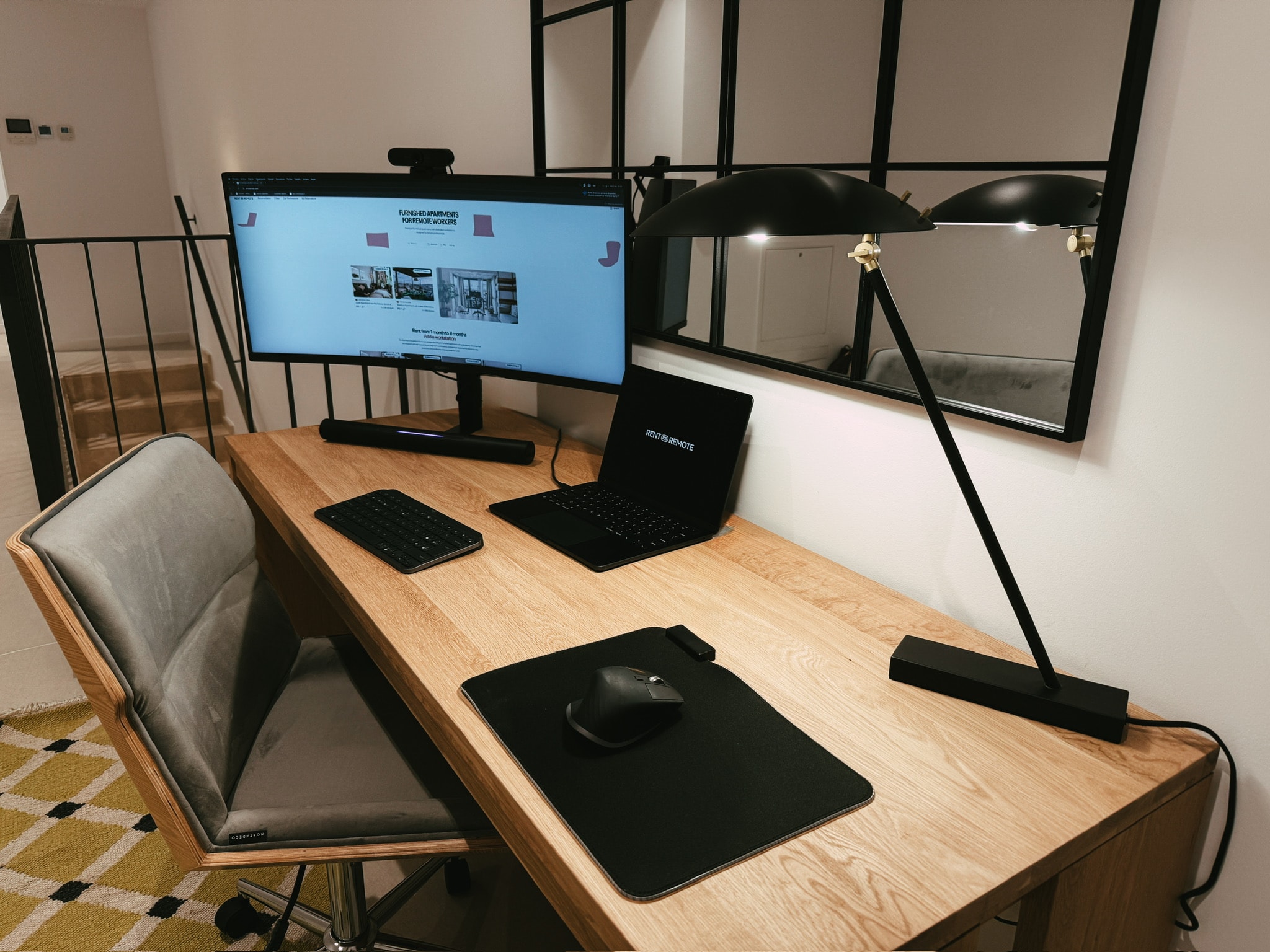
Want to skip the coworking pass entirely? RentRemote’s fully furnished apartments in both cities come with ergonomic chairs, ultra-wide monitors, and serious productivity vibes—perfect for remote workers who want to get in, get focused, and get out for dinner on time.
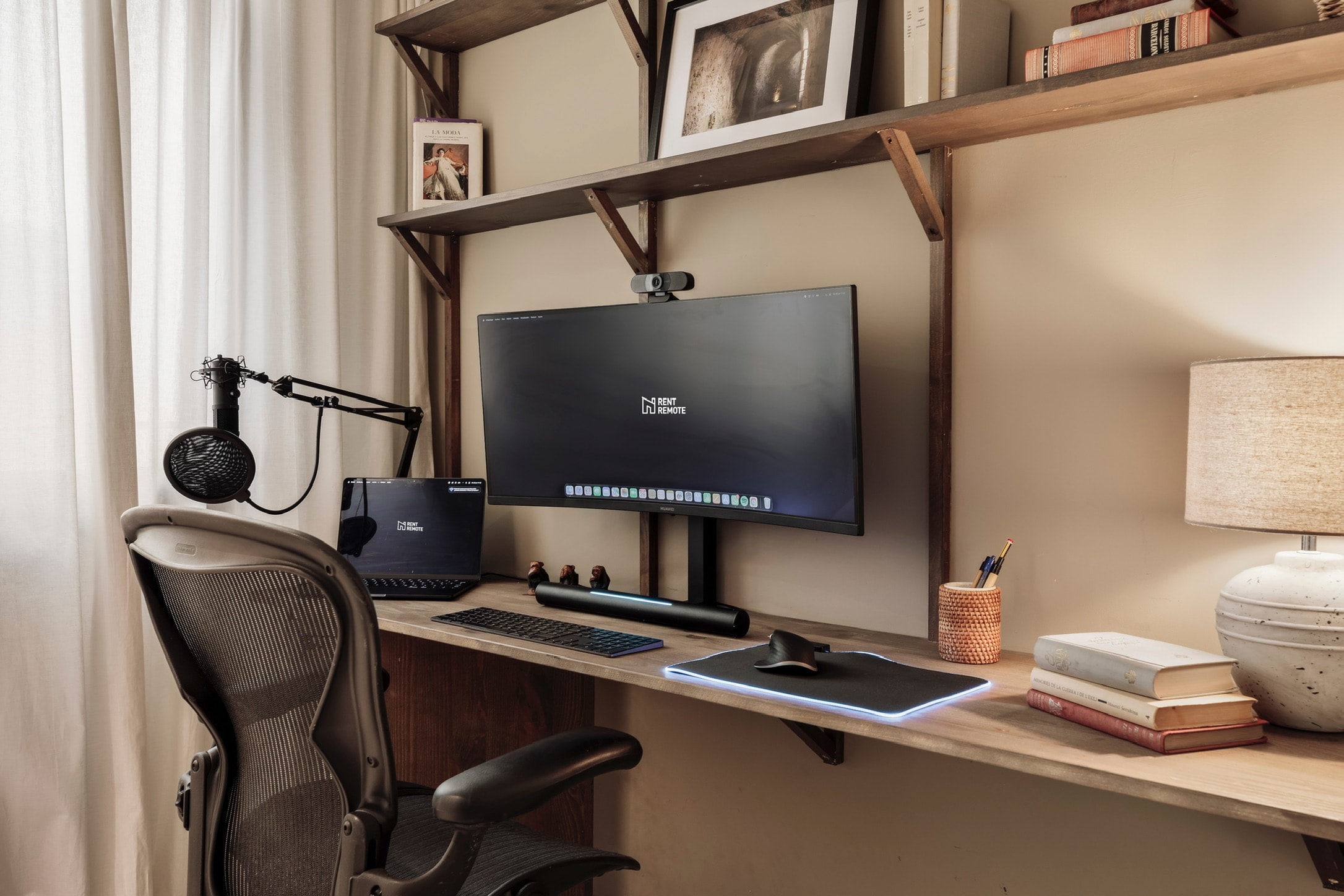
Whether you’re into rooftop coworking or desk-deep productivity, we’d recommend Madrid if you want structure, and love Barcelona if you're after creative inspiration.
And if you’re hunting for simple things that make a difference? A good chair and fast WiFi top the list—no matter which of these two cities you call home.
Safety and Solo Travel: Is Barcelona or Madrid Better for Peace of Mind?
If you're traveling alone and trying to decide between Barcelona or Madrid, here's the good news—both cities are generally safe. You’ll find friendly locals, well-lit streets, and plenty of other solo travelers doing their thing. That said, the vibe and risks are slightly different, depending on where you are and how you roll. Whether you’re staying for a few days or planning a long-term remote setup, here’s what you need to know to enjoy Spain confidently.
Madrid Feels Local, Laid-Back, and Well-Patrolled

Madrid feels more residential in many central areas, especially outside tourist corridors. Places like Chamberí, Lavapiés, and Salamanca offer a relaxed pace and a strong community feel, even in the city center. Street crime is low, and while you should stay alert at night, you’re more likely to bump into a dog walker than a scam artist.
Madrid receives a high volume of tourists each year, but it hasn’t lost its lived-in vibe. And since it’s also a commuter hub—with the AVE train connecting to the rest of southern Spain—safety around transit is taken seriously.
Barcelona Is Safe but Beware the Pickpockets

Barcelona has a bit of a reputation, and it’s not undeserved: while it’s just as safe to walk alone, it’s also one of the top cities in the world for pickpocketing. Las Ramblas, El Raval, and the Gothic Quarter are the biggest hotspots.
If you’re planning to visit street markets or packed events in Barcelona and Madrid, you’ll want a zipped crossbody bag or anti-theft backpack. The good news? Violent crime is rare in either Madrid or Barcelona, and the police presence is solid—especially in tourist-heavy zones.
Nomad Safety Tips for Both Cities
-
Avoid displaying phones or wallets openly in crowded areas
-
Stick to well-lit streets after dark
-
Stay alert on the metro, especially during rush hours
-
In Barcelona, If you’re browsing for cheap things in street markets or souvenir stalls near Las Ramblas, just keep your bag zipped and your phone tucked away.
-
In Madrid, late-night plazas can get rowdy but rarely unsafe
Where Do Locals Feel Safer?
According to the 2023 Numbeo Safety Index, Madrid ranks slightly higher than Barcelona, particularly for night-time safety. While personal preference plays a role, most solo travelers report fewer incidents in Madrid’s residential neighborhoods compared to Barcelona’s tourist-heavy core.

Bottom line? If you're worried about solo travel logistics, neither Madrid nor Barcelona should be a dealbreaker. Just travel smart, stay aware, and your experience in Spain will be a memorable one—for all the right reasons.
Local Attractions in Barcelona and Madrid: Beyond the Guidebook
Whether it’s your first visit to Spain or you’ve already tackled the big-ticket museums, the real charm of Barcelona and Madrid is in their everyday energy. You’re not just here to check off monuments—you’re looking for a city that delivers flavor, rhythm, and surprise Monday through Sunday. So when it comes to local experiences, which one wins? Let’s explore what life looks like beyond the postcard.
Madrid’s Classic Soul: From Art Museums to Tapapiés
In Madrid, tradition runs deep. The historic center is a blend of royal grandeur and lived-in authenticity. One morning you’re sketching in the Prado Museum, face-to-face with Francisco Goya, and by evening, you’re dancing in a dive bar in La Latina.

Not to miss:
-
Royal Palace (€12 entry, but free for EU residents on weekdays)
-
Retiro Park for lazy laptop afternoons
-
Lavapiés for street art, global food, and spontaneous flamenco
-
Tapapiés Festival (October): €3 tapas + drink, live bands, and zero pretension
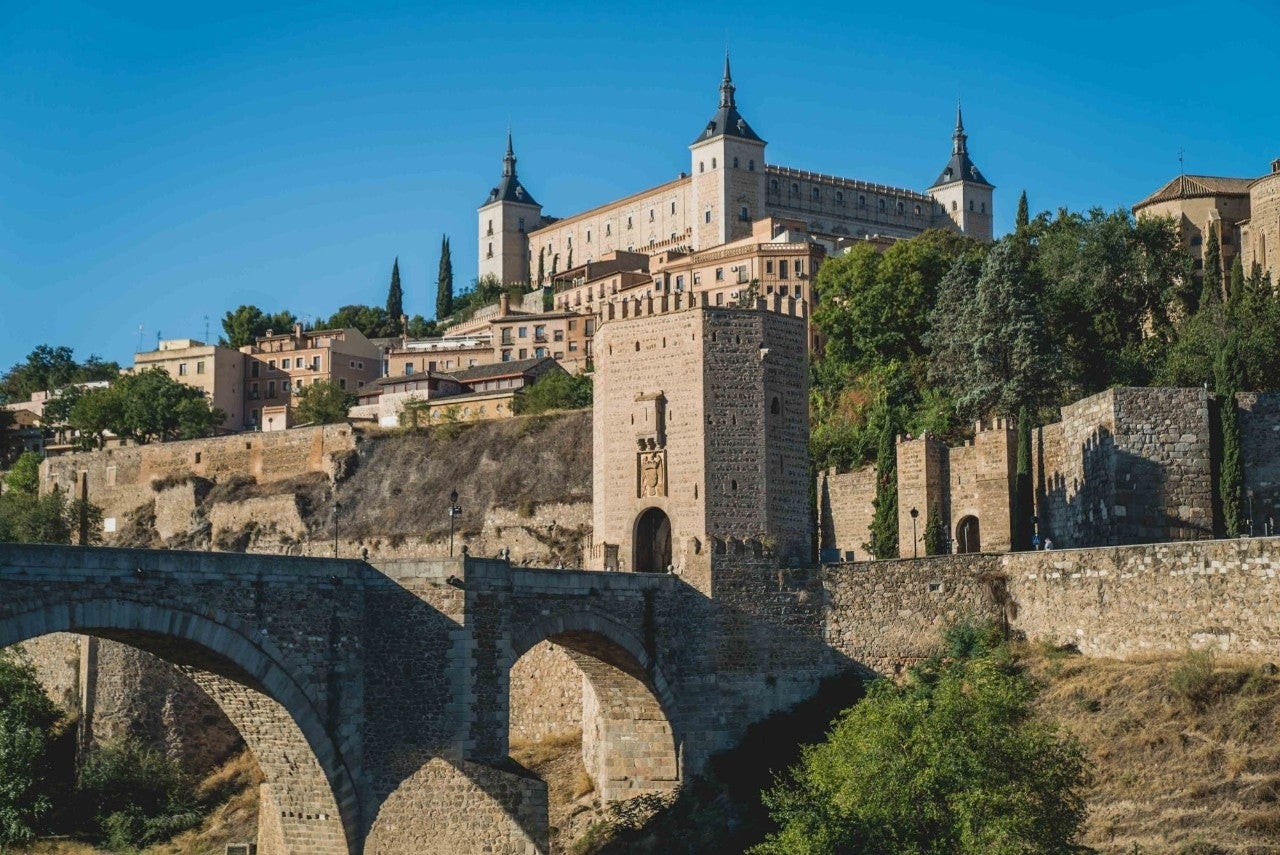
Plus, with the high speed train, you can hop over to Toledo for the day—less than 35 minutes from Madrid, and packed with medieval vibes.
Barcelona’s Visual Magic: Beaches, Bunkers, and Festa Major
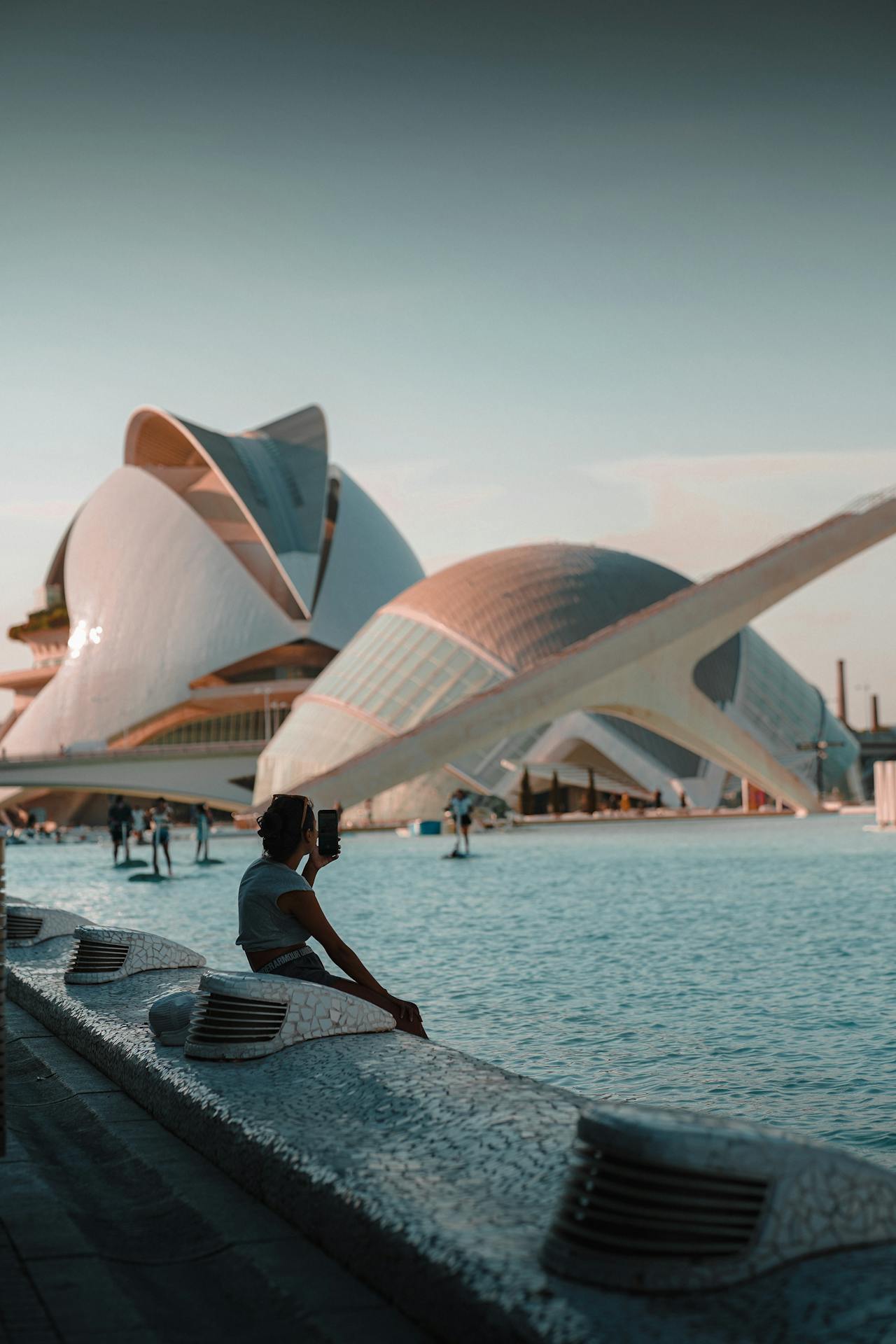
Barcelona is a seaside location that feels like it was built to be admired—and it is. From the curves of Sagrada Familia to the street mosaics of El Born, it’s got a cinematic flair that draws creatives, dreamers, and photographers from all over the world.

Top local picks:
-
Gràcia Festa Major (August): the entire neighborhood transforms into a surreal art installation
-
Sunset at Bunkers del Carmel (free, panoramic views)
-
Montjuïc for open-air cinema, secret gardens, and epic sea views
-
The Gothic Quarter for moody alleys and hidden wine bars
A bonus? Most of Barcelona’s top sights are walkable from the heart of the city, which saves time (and Metro money).

Prefer Barcelona or Madrid—Which One Delivers More on the Daily?
-
Barcelona is a feast for the eyes and soul. It’s easier to fall into a spontaneous plan here—sunset beach swim, street concert, vermouth in a plaza.

-
Madrid is deeper in its cultural rhythm. It's where you live the layers—through food, politics, tradition, and neighborhoods that still feel like neighborhoods.

According to a 2023 European Cities Experience Index, Madrid ranks higher for cultural authenticity, while Barcelona scores better for accessibility and visual appeal.
If you’re chasing daily inspiration and outdoor life, go for Barcelona. If you’re here to get under the skin of Spanish cities and still catch the occasional jazz night in La Latina, Madrid might be your perfect match.
Getting Around in Barcelona or Madrid: Transport Tips That Save You Time
Whether you're heading to the Sagrada Familia, chasing Gaudi architecture, or just trying to make it to your next coworking spot on time, transit matters. Both Barcelona and Madrid offer excellent options—but they shine in different ways. If you're planning to visit a few neighborhoods (or a few museums) each day, or escape for weekend trips across Spain, here’s how each city stacks up.
Madrid’s Metro and High-Speed Reach
Madrid is a transport powerhouse. Its metro system is one of Europe’s largest, with over 300 stations covering every corner of the city. A single ride costs €1.50–€2.00 depending on zones, and a monthly pass for unlimited rides is €55.
You’re also spoiled for train access. Madrid’s Atocha station is the main hub for AVE high-speed trains—making getaways fast and frictionless.

Best day trips from Madrid:
-
Toledo: A Gothic-meets-Moorish gem, 35 min by AVE
-
Segovia: Home to a Roman aqueduct and roast suckling pig, 30 min
-
Salamanca: Spain’s university town, under 2 hours and packed with golden sandstone streets
Madrid’s airport (Barajas) is also easy to reach via metro or express bus in under 40 minutes.
Barcelona’s Scenic Rides and Coastal Flexibility
Barcelona trades breadth for breezy charm. While its metro network is smaller, it's still super efficient and clean. You’ll likely walk more here—but that’s a win when your walk includes Gaudi architecture, leafy boulevards, or seaside views.
The TMB metro and bus system is reliable, and the city is ultra-bikeable—especially along the waterfront. A single ticket runs €2.55, or grab a 10-ride T-Casual for €12.15.
Best day trips from Barcelona:
-
Girona: Pastel buildings and medieval walls, 40 min by train
-
Sitges: Beachy and LGBTQ+ friendly, just 30 min
-
Montserrat: Dramatic mountains and monastery views, 1 hour by train + cable car

Barcelona’s El Prat airport is a bit farther from the center of the city than Madrid’s, but accessible by Aerobús (€6.75 one-way) or train.
Which City Makes Moving Easier?

A 2022 EU Mobility Report ranked Madrid’s public transport among the most efficient in Europe for cost, coverage, and frequency.
If you’re a fan of structure, train trips, and zipping across Spain for the weekend, Madrid is the clear winner. If your style leans bike rides, scenic strolls, and café commutes—Barcelona makes every trip feel like part of the adventure.
Either way, both cities keep you connected—just choose whether you want that connection by train track or bike lane.
Weather in Barcelona or Madrid: What Season Suits Your Work-Life Style?
Spain is famously sunny—but ask anyone who’s spent a summer working from a fifth-floor walk-up in Madrid and they’ll tell you: not all sun is created equal. Whether you’re planning your next remote work base or squeezing in some sightseeing between calls, understanding the seasonal shifts in Barcelona or Madrid can seriously level up your stay.
Madrid: Dry Summers, Crisp Winters, and Glorious Autumns

Madrid sits inland and at a higher elevation, which means the weather swings more dramatically. Summer hits hard—expect 35–40°C in July and August, often with dry, dusty winds. Winter can surprise newcomers with frosty mornings and lows around 2–4°C. There's a reason why locals say Madrid has 9 months of winter and 3 months of hell.
But here’s the upside: Retiro Park in October? Perfection. Warm light, golden leaves, and just the right amount of chill for an espresso-fueled walk between calls. Spring is also a sweet spot, especially April–May when terraces are buzzing and everything’s in bloom.

Barcelona Feels Milder (and Slightly Stickier)

If Barcelona seems more forgiving, it's because it is—most of the time. Thanks to its coastal setting, summer temps stay closer to 28–32°C, with a breeze off the Med. But that ocean humidity? It’s real. You’ll sweat a bit more, but you’ll also recover with a jump in the sea.

Winter in Barcelona is short and mild. It rarely drops below 8°C, and sunny December workdays are actually a thing. Spring kicks off early, and by March, locals are already on their first beach day.
Best Seasons to Visit Each City
Planning your first or next long stay? Here’s what we’d suggest:
-
Barcelona: March to June or mid-September to November. Good light, fewer tourists, and terrace season in full swing.
-
Madrid: Late September through November or April to early June. Cooler nights, walkable days, and ideal weather for weekend art crawls or tapas crawls.
Quick Climate Recap
-
Madrid summer: Hot and dry—bring SPF and patience
-
Barcelona summer: Hot and humid—bring a fan and find a rooftop
-
Madrid autumn: Stunning weather, fewer crowds
-
Barcelona spring: Floral, bright, and ideal for seeing Sagrada Familia without shoulder-to-shoulder lines
According to Spain’s national meteorological agency, Madrid averages 2,700 hours of sunshine a year, while Barcelona clocks in just under 2,500—with more cloud coverage in winter due to coastal humidity.
The Verdict? Split the Difference
Barcelona in spring, Madrid in autumn? We say both—just not in August. If you’re lucky enough to bounce between them, time it right and you’ll get the best of Spain’s seasons without breaking a sweat (or freezing on your way to the coworking café).
Which City Is Better for Digital Nomads? (Final Verdict)
Still can’t decide between Barcelona or Madrid? That’s completely fair. They’re both powerhouses in Spain—each offering a wildly different flavor of daily life, workspace culture, and remote work rhythm. But depending on your work habits, budget, and preferred backdrop, one might suit your lifestyle just a bit better.
Quick Pros and Cons Recap
Madrid Pros

-
Lower cost of living (especially for rent and food)
-
Excellent metro and high-speed AVE train connections
-
Grand culture: from Retiro Park to flamenco in Lavapiés
-
Authentic Spanish experience with fewer crowds outside tourist zones
Madrid Cons

-
Summers can be scorching
-
Less English spoken in local areas
-
Big city to move around
-
Winters get very, very cold.
Barcelona Pros

-
Milder year-round weather with the sea right there
-
Creative, laid-back energy ideal for designers, writers, and makers
-
Easy walking and cycling from the buzz of the markets to the sea
-
Daily inspiration—from Sagrada Familia to local street art
Barcelona Cons

-
Higher rent, especially near popular zones
-
Tourist density can be overwhelming during peak seasons
Choose Madrid If...
You’re drawn to tradition, want a great trip filled with depth, and prefer fast-paced energy with structured infrastructure. You like being close to Spain’s heart—both geographically and culturally—and want your weekends to include museums, tapas, and fast train rides to Toledo or Córdoba. Plus, your wallet will thank you.

Choose Barcelona If...
You crave visual stimulation, café culture, and a Spain that feels like a coastal retreat. You want your mornings to start with a sea breeze, your afternoons in sun-dappled coworking spaces, and your evenings with vermouth in hand. It’s perfect for creative nomads who thrive in color, design, and slightly slower rhythms.

RentRemote Tip
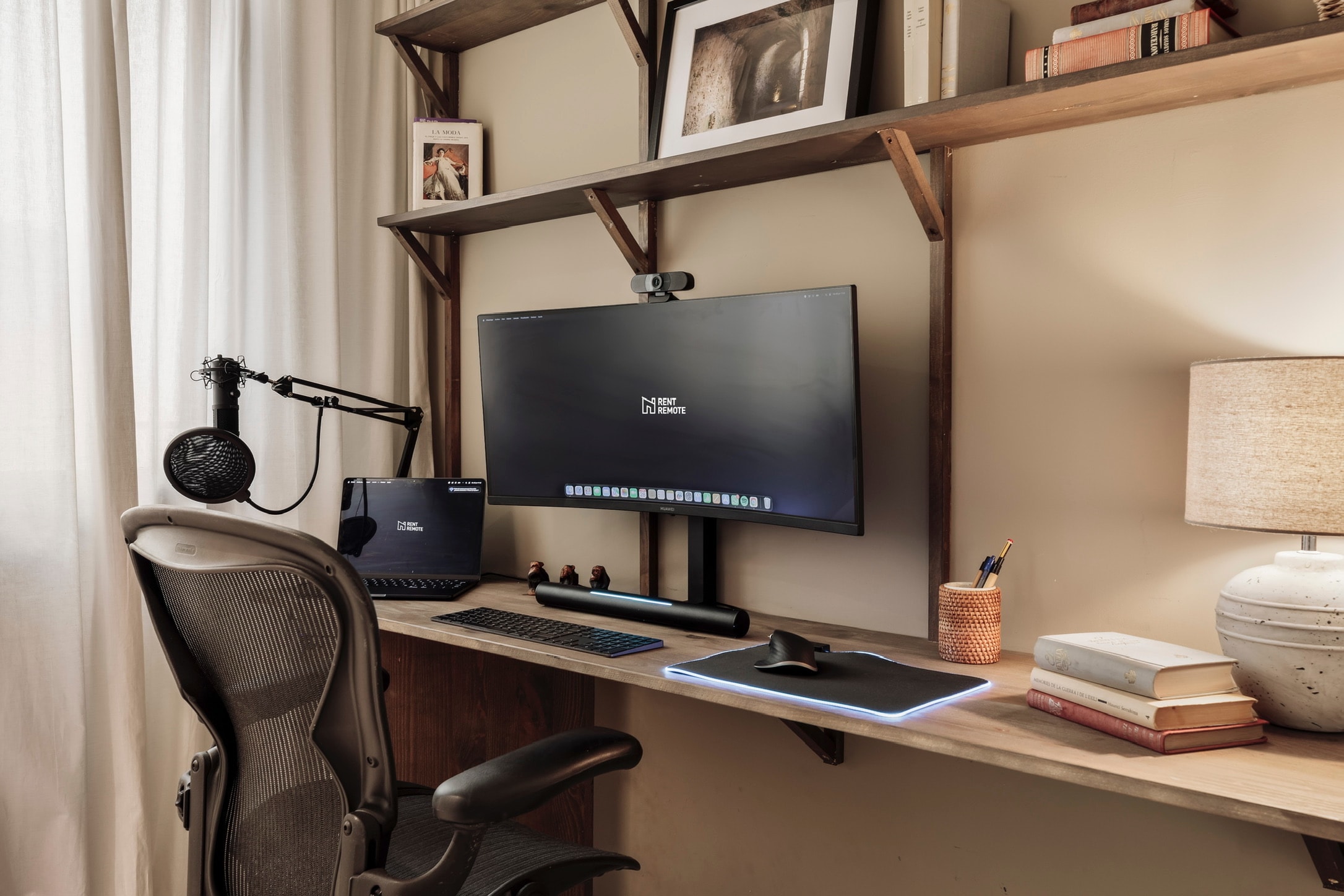
No matter where you land, RentRemote has productivity-first homes in both cities—furnished apartments with standing desks, ultra-wide monitors, and strong WiFi from day one.
💻 Explore monthly rentals in Madrid
💻 Discover furnished apartments in Barcelona
Your office is where you open your laptop. Make sure it’s somewhere you love.
FAQ: Digital Nomad Questions About Staying in Madrid vs Barcelona
When you're working remotely from Spain, choosing between Madrid and Barcelona isn't just about where to sip your espresso. It's about WiFi, rent, coworking vibes, and whether you want your lunch break to involve tapas or a dip in the sea. Here are the answers to the most common digital nomad questions—straight from locals who’ve lived (and worked) in both places.
Q: Is Madrid or Barcelona cheaper for digital nomads?
Madrid tends to be more affordable across the board. Rent for a one-bedroom apartment in central neighborhoods like Lavapiés or Delicias ranges from €850–€1,100/month, while Barcelona's Gràcia can easily hit €1,300+.
Groceries, coffee, and eating out are also cheaper in Madrid, especially away from tourist zones. If you’re planning to stay a few months and want more bang for your euro, Madrid is your wallet’s best friend.
Q: Can I find good coworking in both cities?
Absolutely. Both Madrid and Barcelona offer great coworking options with fast internet and solid amenities.
-
Madrid: Espacio Oculto (creative), The Shed (quiet), LOOM Huertas (central + sleek)
-
Barcelona: Cloudworks Passeig de Gràcia (design-forward), OneCoWork Marina (with sea views), MOB Bailén (funky and social)
Monthly memberships typically range from €100–€180. If you’d rather skip coworking altogether, RentRemote apartments in Spain come with ergonomic desks, ultra-wide monitors, and that work-from-anywhere magic built in.
Q: Is Madrid safer than Barcelona?
Generally, yes—especially for solo travelers. According to Numbeo’s 2023 Safety Index, Madrid scores slightly higher than Barcelona, particularly for nighttime safety.
Barcelona is safe overall, but more prone to pickpocketing in areas like Las Ramblas and El Raval. In Madrid, central neighborhoods feel a bit more residential and less saturated with visitors, which tends to reduce small theft.
Either way, stay alert in crowded areas, keep your bag zipped, and you’ll be fine in both.
Q: Which city is better for non-Spanish speakers?
Barcelona. While Catalan is widely spoken, English is more commonly used in coworking spaces, cafés, and general day-to-day life. In Madrid, locals appreciate when you try to speak Spanish, even if just the basics.
If it’s your first time living in Spain and your Spanish is rusty, you’ll likely feel more at ease navigating daily tasks in Barcelona—especially in nomad-heavy neighborhoods like Poblenou and Sant Antoni. Just don't forget to say 'Adeu' and 'Merci'.
Q: Can I live near the beach in Madrid?
Nope. Madrid is in the heart of Spain, and the closest beach is over 3 hours away by train. You’ll find great parks like Retiro and plenty of rooftop pools—but no coastline.
If daily ocean walks and post-work swims are non-negotiable, Barcelona is your move. Seaside apartments are pricey, but you can still find places 15–20 minutes inland that let you hit the sand before breakfast.
Q: Which has better day trip options?
For cultural depth and architectural variety, Madrid wins. Thanks to the high-speed AVE train, you can explore Spain’s historic cities in under two hours:
-
Toledo: 35 minutes
-
Segovia: 30 minutes
-
Salamanca: 1.5 hours
From Barcelona, you’ve got sunshine-ready escapes:
-
Sitges: 30 minutes for seaside cafés and festivals
-
Montserrat: 1 hour for hiking and monasteries
-
Girona: 40 minutes and full of medieval charm
Pick based on your vibe—cathedrals and castles or cliffs and coastlines.
Q: Is Barcelona too touristy to enjoy as a remote worker?
In peak summer? Yes, a little. Expect packed metros, noisy streets, and long café lines. But outside of July and August, Barcelona balances beautifully between locals, expats, and travelers.
Stick to less touristy areas like Sant Antoni, Gràcia, or Poble-sec for a more laid-back feel. If you’re someone who thrives in structure, you may find Madrid’s rhythm easier to sync with. If you’re inspired by a slower, sun-drenched pace, Barcelona ensures a great stay.
The Choice Is Yours—And You Can’t Go Wrong
If you're a remote professional trying to decide between Madrid or Barcelona, rest easy—there’s no wrong answer. Both cities offer incredible experiences, strong infrastructure, and the kind of work-life rhythm that makes being a digital nomad in Spain feel effortless.
Madrid gives you grit, grandeur, and tradition. Barcelona brings the sea, creativity, and sunshine. Whether you're team tapas or team beach bar, you’re still in one of Europe’s best remote work destinations.
Can’t decide? Try both. With RentRemote, it’s easy to split your time between the hustle of a national capital and seaside chill.
Browse our furnished apartments in Madrid and Barcelona—fully equipped workstations, flexible stays, and a front-row seat to Spain’s best.