










Unusual Things to Do in Lisbon for an Extraordinary Experience
Discover +25 unique experiences in Lisbon that go beyond the ordinary. From hidden gems to local favorites, explore the city's rich culture. Read more!
Unusual Things to Do in Lisbon (Hidden Gems and Local Surprises)
Discover Lisbon’s Offbeat Side
Visiting Lisbon isn’t just about ticking off iconic sights—though, yes, you should see them. But the real stories? They live in its cracks: the street art alleys of Marvila, the abandoned viewpoints in Monsanto, the locals-only patios hidden behind grocery stores.
Lisbon, Portugal, is a city layered in surprises. Recent stats show that 61% of travelers now prefer “less touristy, more local” experiences when exploring European capitals. This guide is for them. It’s what we recommend to our own friends when they ask what to skip—and what to actually remember.
Whether you're into LX Factory’s after-dark rooftop gigs or a surreal puppet museum that still creeps us out, these spots will give you bragging rights and breathing room.
Some of our favorite unusual things to do in Lisbon:
-
Grab lunch in an old printing press (LX Factory)
-
Ferry to Barreiro for a street art day trip
-
Walk Lisbon’s aqueduct… yes, on top of it

Visiting Lisbon? Don’t Miss These Odd Museums
If you’ve already seen the Belem Tower and eaten your body weight in pastel de nata, it’s time to dig deeper. Visiting Lisbon isn’t just about iconic sights—it’s about unexpected moments: Moorish courtyards hiding behind sandwich shops, marionette collections that teeter into surrealism, and secret resistance museums that still carry a chill.
A 2023 European Travel Commission study found that 62% of travelers are now seeking local culture over major tourist draws. So if you're here to enjoy Lisbon without the crowds, these hidden gems are exactly where to start.
Gulbenkian Museum: Lisbon’s Masterpiece of Calm
Let’s start with a classic. The Gulbenkian Museum is hardly unknown, but few visitors realize it houses both the State Contemporary Art Collection and rare treasures like the Teixeira de Freitas Collection. Inside, you’ll find pieces by Pablo Picasso, Andy Warhol, and works tracing Portugal’s global influence. It’s peaceful, walkable, and beautifully curated. A private tour here gives you the full story—minus the crowd.
Need to know:
-
Entry: €10 (or free on Sundays after 2pm)
-
Great café for a quiet break
-
Close to metro and several coworking spots

Lisbon Earthquake Museum (Quake): The Science of Catastrophe
Yes, Lisbon has a Lisbon Earthquake Museum—and it’s surprisingly fun. “Quake” is part museum, part simulation, showing how the 1755 disaster reshaped the city, religion, and even Enlightenment thinking. You’ll stand inside a vibrating room that mimics the tremors, then walk through stories of survival, chaos, and rebuilding.
What to expect:
-
Entry: €21
-
Great for families or digital nomads who love immersive storytelling
-
Located just outside the city center
Museu da Marioneta (Puppet Museum): Delightfully Strange
This one’s a wildcard. Inside a restored convent in Santos, the Puppet Museum holds everything from 18th-century marionettes to Indonesian shadow puppets. Expect creaky wooden joints, theatrical history, and a few oddly lifelike faces that might haunt your dreams (in a good way). It’s creative, weird, and way more memorable than you’d think.
Casa do Alentejo: A Moorish Dream in the City Center
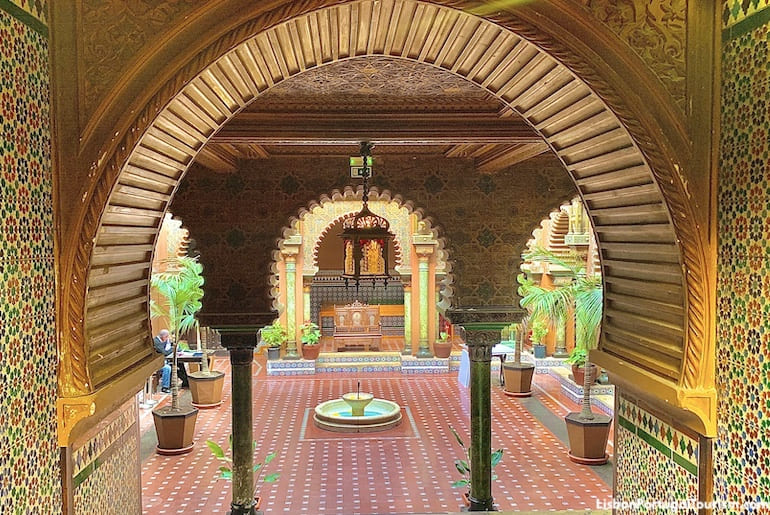
Right off a noisy shopping street near Rossio, Casa do Alentejo hides behind a nondescript doorway. Step inside, and you’ll find a tiled courtyard, carved wooden balconies, and rooms that feel straight out of North Africa. It’s a hub for Alentejo culture—think hearty regional dishes and rotating art exhibits. Most visitors stumble in by accident. You’ll feel smug for knowing better.
Insider tips:
-
Free to enter
-
Lunch menu under €15
-
Gorgeous photo ops (go early for quiet)
Aljube Museum of Resistance and Freedom: Lisbon’s Past, Unfiltered
This isn’t light sightseeing, but it’s important. Once a political prison under the Salazar dictatorship, Aljube now documents Portugal’s mid-20th-century struggles with authoritarianism.
Audio recordings, prison cells, and press clippings paint a raw portrait of resistance. If you're looking to understand Portuguese culture beyond Fado and food, this is the place.
While You Explore Lisbon’s Museums, Add These Stops to Your Route:
-
Fado Museum – Learn how Lisbon’s street music became a national treasure
-
Snap Lisbon’s street art on a walking tour through Marvila or Graça
-
See the Belem Tower from the ferry—it’s prettier from the water anyway
-
Take a private tour at the Gulbenkian to dig into modern pieces
-
Pair your museum days with a pastel de nata from Manteigaria or Confeitaria Nacional
These cultural corners let you explore Lisbon without elbowing through selfie sticks. They’re slower, richer, and more rooted in the city's soul—and perfect for when you’ve had your fill of the expected.
Secret Rooftops, Bars, and Culinary Experiences
Lisbon Portugal is full of postcard views, but the best ones often hide behind parking garages, unmarked doorways, or the backroom of a bakery that sells fish in the morning and gin at night. If you’re visiting Lisbon and want a real taste of local flavor—without the beaten path fatigue—these rooftops, speakeasies, and food finds are where locals actually go.

According to a 2023 Booking.com travel report, 66% of global travelers now seek “secret local spots” over popular landmarks. Here's your cheat sheet to find them.
Park Bar: Rooftop Hidden Above a Parking Garage
No signs. No fancy entrance. Just a concrete garage near Avenida da Liberdade, an elevator, and a staircase that feels like it leads nowhere—until it suddenly opens onto panoramic views of the Tagus River.
Welcome to Park, a rooftop bar sitting (literally) on top of a car park. Expect laid-back vibes, lush greenery, cocktails around €12, and Lisbon’s most Instagrammable golden hour.
Red Frog Speakeasy: Ring the Bell for Velvet and Whiskey
Tucked a few blocks from Pink Street, Red Frog is the kind of place you only find if you know to look for the buzzer. Behind the unmarked door? A velvet-lined hideaway serving some of the most inventive cocktails in Lisbon. It's consistently ranked among Europe’s top bars—and still feels like a secret. Try the barrel-aged Negroni or ask for the off-menu Portuguese wine cocktail.
Pro tip: Call ahead—seating is limited and they book up fast.

Vinyl Dinner Parties in Graça: Food Meets Full Albums
If a friend-of-a-friend invites you to a "record dinner" in Graça, say yes. These rotating pop-up dinners happen in private homes and art studios across the city. You sit down with strangers, share a multi-course meal, and the host plays a full vinyl album start to finish—no skips, no Spotify.
The vibe? San Francisco loft meets Lisbon soul. Suggested donation: €25–30. BYOB, but someone always brings Portuguese wine.
Conventual Sweets in Alfama’s Hidden Bakeries
Beyond the pastel de nata, Lisbon’s got a wild lineup of sweets—especially those born in convent kitchens. In Alfama, look for hole-in-the-wall cafés selling pão de rala, encharcada, and other yolk-heavy desserts once made by nuns.
These pastries are dense, rich, and often flavored with cinnamon or almond. They're also getting rarer, so grab them while you can.
Campo de Ourique Market: Gourmet, Local, and Actually Chill
Skip the Time Out Market. Locals head to Campo de Ourique Market, where chefs serve elevated versions of Portuguese comfort food, seafood dishes, and pastries in a casual setting that doesn’t feel like a tourist circus.
You’ll find everything from octopus rice to codfish fritters, plus a wine bar serving pours from small producers. Great for lunch after strolling Campo de Ourique, one of Lisbon’s most walkable neighborhoods.

While You Eat and Drink, Don’t Miss:
-
The seafood restaurants in nearby Campo de Santa Clara
-
Graça’s murals if you’re into Lisbon’s street art
-
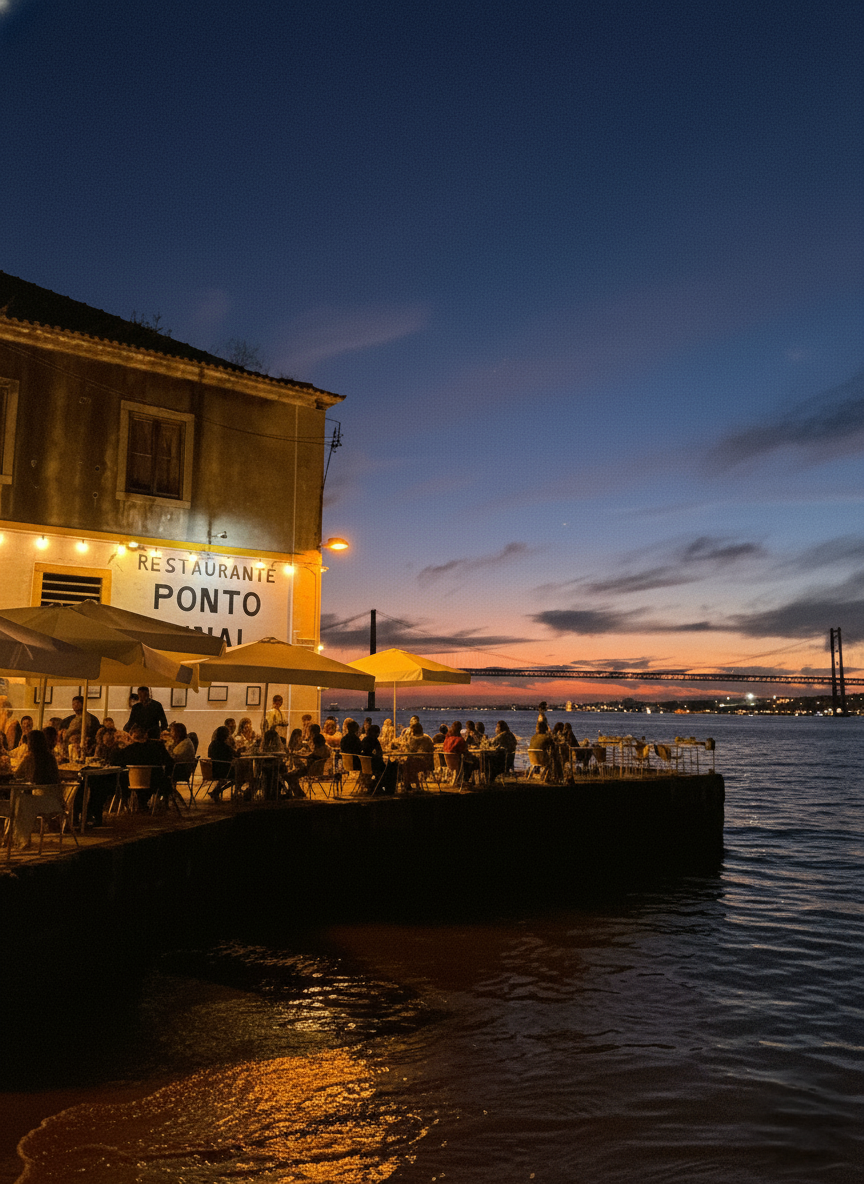
Sunset over the April Bridge with a glass of vinho verde
-
Shopping for local cheeses and smoked meats at local markets
-
Watching a chef at Campo de Ourique Market who also sells fish in the morning
You don’t need a map for Lisbon’s best spots—you just need a bit of curiosity (and maybe a buzzer to press). These hidden rooftops, record dinners, and local haunts are how you experience the real flavor of the city.
Want to start calling the local barista by their first name? Check out RentRemote's fully furnished apartments in Lisbon for the perfect mix of remote work and play.

Beaten Path Breaks: Nature Walks and Urban Exploration in Lisbon
Even in a city built on hills and history, Lisbon Portugal still knows how to surprise you with a patch of silence or an abandoned lookout with million-euro views. If you're visiting Lisbon and need a break from tile façades and café crowds, these offbeat green spaces and ruins offer just that—a breath of fresh air without leaving the city.
A 2022 Statista study showed that 59% of travelers now prefer walking-based travel to experience cities more slowly and authentically. This section is your guide to explore Lisbon at that pace—quiet corners, forgotten architecture, and leafy trails that locals (reluctantly) share.
Walking Tour of Panorâmico de Monsanto: Graffiti and Ghosts with a View
Once a glitzy revolving restaurant, now an open-air art gallery and urban explorer's dream, Panorâmico de Monsanto sits above the city like a post-apocalyptic crown. Layers of graffiti cover every surface, wildflowers push through cracked tiles, and the 25 de Abril Bridge stretches across the Tagus River in the distance.
Need to know:
-
Free to enter
-
Bring good shoes and watch your step—it's technically abandoned
-
Go early to avoid the late-day crowd
Águas Livres Aqueduct: A Sky-High Stroll Above the Streets
Built in the 1700s, the Águas Livres Aqueduct is a stone giant that once brought water into the Portuguese capital—and today, you can walk its entire length. The arches tower above Lisbon’s Alcântara valley, offering views more thrilling than most rooftops.
Tickets: €5 at the Water Museum (includes entry to the reservoir)
Tip: Combine this with a walk to Parque Eduardo VII for some of the nicest green spaces in the city.
Tapada das Necessidades: Lisbon’s Secret Garden of Ruins and Romance
A faded, forgotten park in the heart of the city, Tapada das Necessidades feels like a time capsule. You’ll find crumbling greenhouses, overgrown palm-lined paths, ponds filled with turtles, and maybe a few local couples hiding in the shade. It’s peaceful, poetic, and only a 10-minute walk from Jardim da Estrela.

Perfect for:
-
A lovely stroll away from crowds
-
Picnics under 200-year-old trees
-
Sketching, reading, or doing nothing
Jardim do Torel: A Local Hilltop Escape
Most tourists rush to the Miradouro de Santa Luzia, but locals know Jardim do Torel is the better-kept secret. Tucked behind old mansions and narrow staircases, this small park overlooks central Lisbon with none of the selfie sticks. Come here to read, nap on the grass, or catch your breath between uphill streets.
Local tip: Walk here from Avenida da Liberdade, and reward yourself with a lemonade at the kiosk café.
Want Days Like This on Repeat?
Furnished apartments in Lisbon made simple — for when you want walking-distance green spaces, good wifi, and a balcony view you didn’t have to share.
Bonus Spots to Enjoy Lisbon’s Quiet Side:
-
Take a sunset boat tour under the 25 de Abril Bridge
-
Wander through Parque das Nações, especially at sunrise
-
Visit Jardim da Estrela during weekday mornings for pure calm
-
Hop to Costa da Caparica for a beach escape just 20 minutes away
-
Hike behind Castelo de São Jorge for lesser-known city trails
In between viewpoints and museums, Lisbon leaves room to breathe. These green corners and forgotten landmarks prove that the city doesn’t need to shout to be beautiful. Sometimes, a walking tour without a plan is the best way to enjoy Lisbon.

Immersive and Underground Experiences Worth Digging Into
When visiting Lisbon, the best stories aren’t always above ground—or on TripAdvisor. From Roman ruins under cobblestone streets to fado sung in tiny backroom taverns, Lisbon Portugal rewards the curious. These experiences go beyond the main tourist attractions to show you the rhythm, grit, and layers of the city’s soul.
A recent Condé Nast Traveler survey found that 70% of travelers now seek “cultural immersion” over traditional sightseeing. Here’s how to get that—without the crowds.
Portuguese Wine and Fado in a Tasca: Skip the Stage, Keep the Soul
Fado is everywhere, but most performances now cater to tourists. Skip the staged dinner shows and head to a tasca like Mesa de Frades in Alfama or a no-name bar in Mouraria, where locals still cry mid-song. You’ll pay €5–€10 for entry (or just the price of a glass of Portuguese wine), and there’s usually no mic—just raw voices and a 12-string guitar.
Insider tip: Go late. The magic usually starts after 10pm.
Lisbon Underground Tour: Roman Ruins Beneath the City
Below Lisbon’s historic center lies an ancient maze of tunnels, cisterns, and aqueducts. Several local companies offer licensed underground tours (approx. €20–€25) that let you explore areas usually closed to the public—including Roman fish-salting tanks and Moorish wells.
The guides are archaeologists or historians, and the vibe is more Indiana Jones than museum field trip.
Wear closed shoes and bring a jacket—it gets chilly down there.
Street Art in Marvila and Bairro Padre Cruz: Murals You’ll Remember
Lisbon’s amazing street art isn’t where you’d expect. While Pink Street and Bairro Alto get the foot traffic, the most jaw-dropping pieces live in neighborhoods like Marvila and Bairro Padre Cruz—huge, open-air galleries far from the red light district. Marvila blends industrial warehouses with contemporary art collectives, while Padre Cruz boasts the largest urban art gallery in Europe.

Don't miss:
-
A piece by Shepard Fairey near a train station in Marvila
-
Massive murals curated by Galeria de Arte Urbana in Padre Cruz
-
Art walks paired with wine tastings—check local listings
Visit the Lavadeiras: Lisbon’s Traditional Washerwomen
In a few quiet corners of Alfama and Graça, you can still spot public laundry tanks where older women, the lavadeiras, wash clothes by hand. It’s not a show. It’s their routine—slow, communal, often full of gossip. Respectful curiosity is welcome. Bring fresh produce from nearby local markets, and you might just get a smile (or a story).
Other Local Secrets to Explore Lisbon Like a Pro:
-
Visit Feira da Ladra, Lisbon’s oldest flea market, for antiques and classic hats
-
Find the world’s smallest bookstore near the Santa Justa Elevator
-
Grab a snack at Mercado da Ribeira, then walk to the National Coach Museum
-
Pair your day at the Museu Nacional dos Coches with a peek inside the old royal palace nearby
-
Book a helicopter ride over the Tagus River for a wild overhead view of Torre de Belém and Parque Eduardo VII

Quirky Day Trips and Riverside Oddities
If you’re visiting Lisbon and craving a change of scene, you don’t need to go far. Ferries and short train rides open the door to industrial food hubs, mystical palaces, and riverside escapes that feel worlds away from Lisbon’s cobblestone streets. According to a 2023 European tourism survey, 65% of travelers now seek out “nearby cultural escapes” instead of sticking to the city center. These day trips and detours will show you a whole new side of Lisbon Portugal.
Portuguese Wine and Seafood in Cacilhas
Just across the Tagus River, Cacilhas is all about seafood restaurants set inside converted warehouses. Order octopus rice or cataplana, and pair it with a bottle of crisp Portuguese wine for under €15. After lunch, wander the pier past shipwrecks and industrial ruins until you hit a killer viewpoint of Belém Tower and the 25 de Abril Bridge.
Good to know:
-
Ferry from Cais do Sodré: €1.35 each way
-
Best time: sunset for golden skyline views
-
Popular with locals, not tourists
World’s Smallest Bookstore at LX Factory After Dark
By day, LX Factory buzzes with coworking lofts and concept stores. After 6pm, it transforms into Lisbon’s coolest night spot: rooftop concerts, container bars, street DJs, and food trucks fill the alleys. Hidden inside a former printing press is the world’s smallest bookstore, where shelves barely fit but the atmosphere is huge.

Expect to find:
-
Craft beer and street food for €5–8
-
Rotating rooftop events with skyline views
-
A mix of locals, expats, and night owls
Local Markets and Street Culture in Barreiro
Hop a ferry to Barreiro for a creative escape. This ex-industrial hub now hosts local markets, live music, and sprawling murals across warehouse walls. Think of it as a younger, rawer version of LX Factory. It’s where Lisbon’s artists, musicians, and café-owners experiment without the tourist crowds.
Highlights in Barreiro:
-
Pop-up food stalls with Atlantic-inspired bites
-
Cafés serving specialty coffee in old factories
-
Ferry ride views back toward Lisbon’s skyline
Quinta da Regaleira in Sintra: A UNESCO World Heritage Site
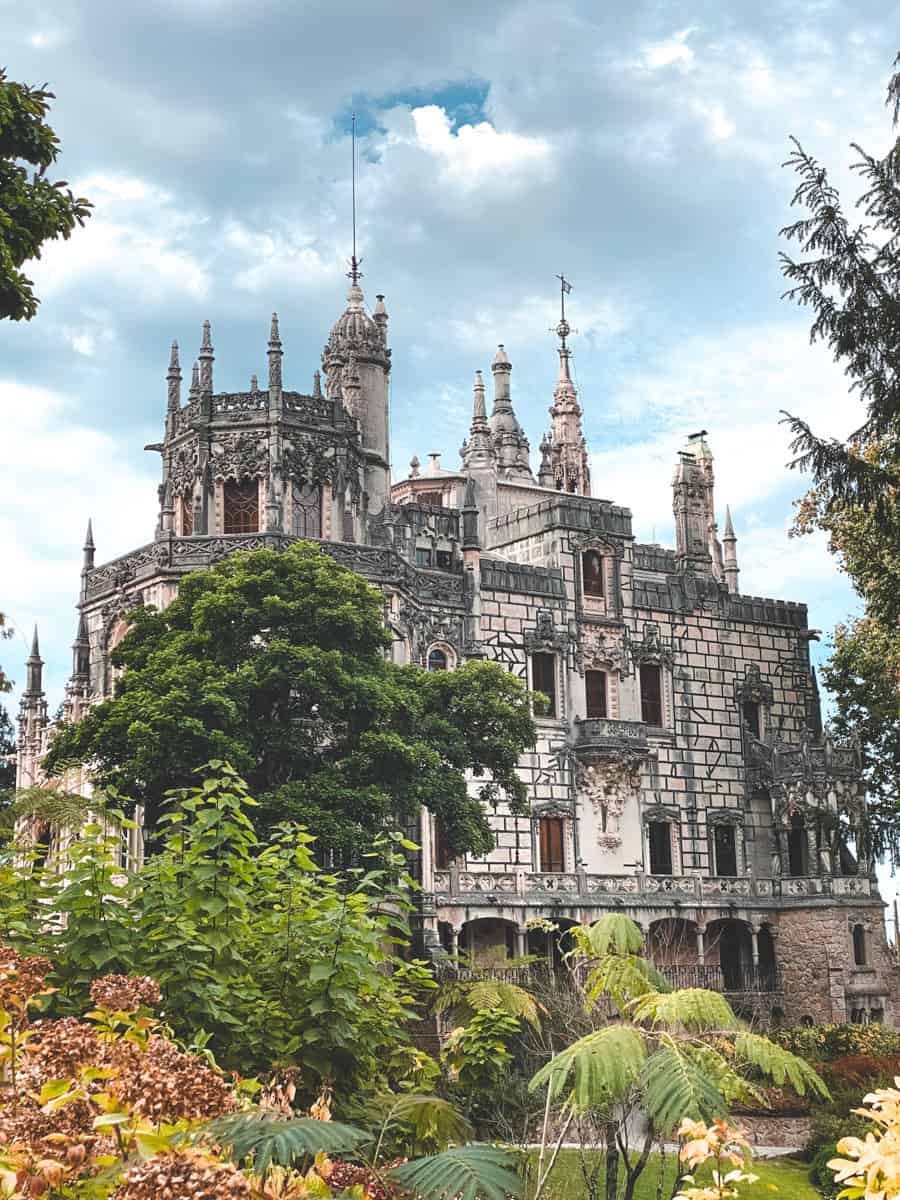
If there’s one palace worth the trip to Sintra, it’s Quinta da Regaleira. Part of a UNESCO World Heritage Site, this estate is a gothic playground of underground spirals, Masonic tunnels, and myth-soaked fountains. Built with symbols of the Portuguese Republic, it’s more adventure than sightseeing.
Logistics:
-
Train from Rossio train station: ~40 minutes (€2.30)
-
Entry fee: €12
-
Bring good shoes—the gardens are designed to get you lost
Sailing Tour and Other Riverside Extras
Round out your detours with these add-ons:
-
Take a sailing tour on the Tagus, or a sunset boat tour out toward the Atlantic Ocean
-
Pair Sintra with the National Museum of Ancient Art back in Lisbon
-
Stroll Feira da Ladra flea market before catching a ferry
-
Spot the Santa Justa Elevator and cobblestone streets from the water
-
Book a helicopter ride for sky-high views of Torre de Belém
For even more insider picks on where to eat, work, and wander, check out RentRemote’s Lisbon neighborhood guide.
Frequently Asked Questions
What are the most underrated things to do in Lisbon?
Beyond Castelo de São Jorge, there are plenty of gems hiding in plain sight:
* Climb the Santa Justa Elevator for views over Baixa
* Visit Campo de Santa Clara on a Sunday for authentic flea markets
* Step into the Fado Museum for a crash course in Lisbon’s most emotional music
* Catch a quirky simulation at the Lisbon Earthquake Museum
Are these places safe to explore solo?
Yes, especially during the day. Neighborhoods like Alfama or Graça are full of life, and even night walks around Pink Street or near Mercado da Ribeira are fine if you stick to busy areas. The only caution: places like Monsanto or hidden tunnels are better done with a guide.
How much time do these hidden gems take?
Most take 1–2 hours. A trip to Museu Nacional dos Coches or the Royal Palace can fit into a morning. Half-day escapes include Sintra’s estates or hopping across the river for food in Cacilhas.
Can I reach these spots by metro or on foot?
Definitely. Central locations like the Miradouro do Santa Luzia, Parque Eduardo VII, and the Santa Justa Elevator are all accessible by metro or tram. Ferries help for Cacilhas and Barreiro.
What neighborhood has the most offbeat vibes?
For pure wander-worthy corners, try:
* Parque das Nações for futuristic riverside vibes
* Campo de Santa Clara during flea market days
* Graça for taverns, street music, and views
* Alfama for its maze-like alleys