











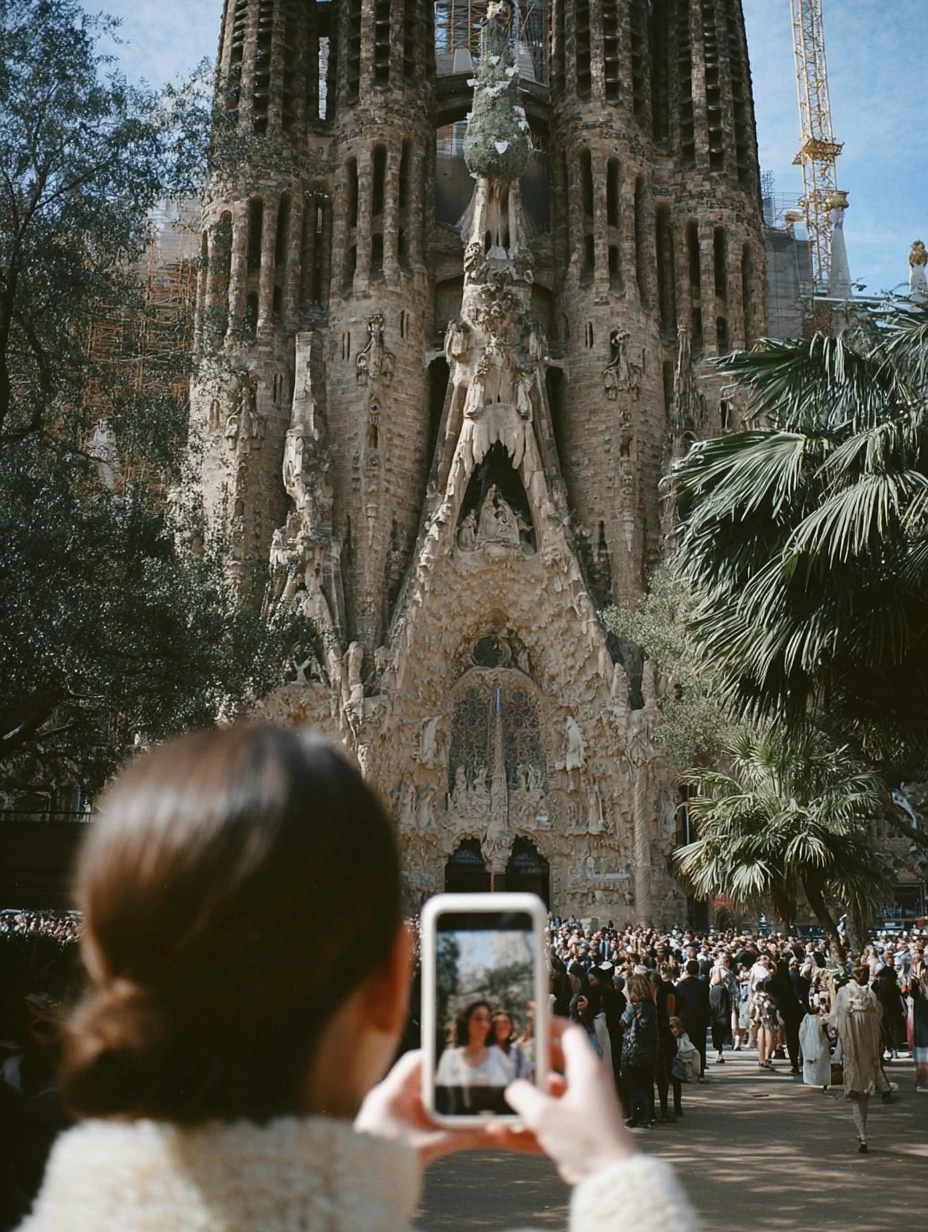
Cost of Living in Barcelona: What to Expect
Discover the cost of living in Barcelona, from housing to daily expenses. Get informed to plan your move or visit effectively. Read more now!
Cost of Living in Barcelona: A Complete Guide
Thinking about living in Barcelona? You’re in good company. The city is a magnet for expats, students, digital nomads, and families who want sunshine, great food, and a lifestyle that feels more affordable than many other cities in Europe. But the real question is: what’s the actual cost of living in Barcelona?
According to Numbeo’s 2024 report, the overall cost of living in Barcelona is about 27% lower than London, though you’ll still feel the pinch when it comes to rent. The rest—groceries, transport, and eating out—are generally lower than in most European capitals.
What you can expect to pay monthly:
-
Apartment: €1,000–€1,600 for a 1-bedroom, depending on neighborhood
-
Groceries: €250–€400
-
Transport: €20–€40
The bottom line? Barcelona offers a solid balance: not the cheapest in Spain, but far from the priciest in Europe. Ready to explore? Check out furnished apartments in Barcelona for flexible stays.
Average Monthly Cost of Living in Barcelona
Single Person vs Couple vs Family vs Student
The cost of living in Barcelona depends on who you are and how you want to live. While housing prices keep rising, food prices and transportation remain generally lower than in many parts of southern Europe. According to Numbeo 2024, a single person’s monthly cost of living (without rent) is about €1,000–€1,200—making living in Barcelona more affordable than Paris but less than other Spanish cities like Valencia.
Here’s what you can expect each month:
| Profile | Tight Budget | Mid Range (Live Comfortably) | Comfortable / Luxury |
|---|---|---|---|
| Single Person | €1,400–€1,700 (shared apartment, cook at home, public transport) | €1,800–€2,200 (private flat, mix of dining out and groceries, coworking) | €2,500+ (central 1-bed, frequent dining out, gym, trips) |
| Couple | €2,200–€2,800 (1-bed outside center, budget groceries) | €2,800–€3,500 (1–2 bed apartment, eating out a few times a week) | €4,000+ (large flat in center, car or scooter, frequent travel) |
| Family of Four | €3,200–€3,800 (outer neighborhood, shared school/public services) | €4,000–€5,000 (larger apartment, extracurriculars, eating out) | €6,000+ (spacious home, private schools, regular travel) |
| Student | €1,200–€1,500 (shared flat, cafeteria meals, bike friendly commutes) | €1,600–€1,900 (private studio, dining out sometimes, cultural activities) | €2,500+ (central student residence, frequent nightlife, travel) |
| The bottom line? In Barcelona, Spain, your biggest cost will be rent. But since the city is bike friendly and has excellent public transport, you can balance life here on a tight budget or splurge to work remotely in style. |

Housing and Rent in Barcelona
Rent Prices in the City Centre vs Outskirts
When people talk about the Barcelona cost, they’re usually thinking about rent. Living near La Sagrada Familia, the Gothic Quarter, or Las Ramblas puts you in the heart of the city center—but it also means higher prices. If you prefer a lower cost of living, neighborhoods like Sant Andreu or Nou Barris offer quieter vibes, good cafés, and easy public transportation, all while keeping you close to the action.
Here’s what you can expect to pay for an apartment in 2025:
| Location & Apartment Type | Rent Range (€) | Lifestyle & Notes |
|---|---|---|
| Studio – City Center | 1,100–1,300 | Busy nightlife, close to La Sagrada Familia and Las Ramblas |
| 1-Bedroom – City Center | 1,400–1,800 | Popular with solo expats who want a central location |
| 2-Bedroom – City Center | 2,000+ | Couples or families enjoying iconic tree lined streets |
| Studio – Outskirts | 850–1,100 | More space, calmer neighborhoods, affordable lifestyle |
| 1-Bedroom – Outskirts | 1,100–1,400 | Great for students and mid range budgets |
| 2-Bedroom – Outskirts | 1,600–1,900 | Families with kids, still well connected to the city |
| Local tip: Idealista reports that housing prices in Barcelona rose around 7% in 2023. That makes it pricier than many southern cities in Spain, but still cheaper than major European capitals like Paris or London. |

Furnished Apartments and Flexible Rentals
If you’re moving to Barcelona, Spain to work remotely or just try out life in the city, a 12-month lease may not fit. This is where furnished flats shine. You can drop your bags, plug in your laptop, and start living without spending money on furniture.
Why furnished apartments are smart:
-
Flexible contracts (1–12 months)
-
Wi-Fi and utilities often included
-
Short-term and long-term options
-
Found both in the city center and in more relaxed neighborhoods
Whether you’re chasing a comfortable lifestyle near Eixample or testing out a quieter base for weekend trips to the Costa Brava, furnished rentals make it easy to balance cost, comfort, and flexibility.
RentRemote helps you discover the best neighborhoods in Barcelona —ideal for digital nomads, students at world class universities, and professionals who want an easy start.
Utilities and Household Expenses
Electricity, Water, Gas, and Internet
When breaking down the Barcelona cost, utilities are the steady monthly line item you’ll want to plan for. If you’re renting a mid range apartment in a central area like El Born, you can expect to pay between €150 and €250 a month for electricity, water, and gas. That number shifts with the seasons—summers in the Catalan capital often mean higher cooling bills, while winter heating can also nudge prices upward.

Compared to major European capitals like Paris or Berlin, the utility bills here are significantly cheaper, making it easier to balance your cost of living and still enjoy some of Barcelona’s famous leisure activities.
Internet and Mobile Phone Costs
The good news? Barcelona offers fast internet across most neighborhoods. A reliable broadband package runs around €35/month for 600–1000 Mbps, which is plenty for Zoom calls, streaming, or building your next side hustle. Pair that with a local mobile phone plan starting at €15–€25/month, and you’re set to stay connected without draining your money.
If you’re new to living in Barcelona, Spain, keep in mind most providers bundle internet with mobile and sometimes even TV, so you can save by shopping smart.
How Utilities Affect Daily Life
These bills are rarely what makes Barcelona one of the most expensive cities in Europe—they’re actually what help it stay on the list of affordable cities for expats. With lower living expenses in utilities, you’ll have more room in your budget for food costs, transport passes, or to learn Spanish at one of the local public universities.
What you’ll typically spend per month:
-
Electricity, water, gas: €150–€250 for a medium apartment
-
Internet: ~€35
-
Mobile phone plan: €15–€25
All in, utilities won’t break the bank here. For anyone looking to live comfortably and enjoy life in the city, these costs are manageable, especially when compared to expensive cities like London or Zurich.

Food and Groceries
Food Prices at Supermarkets in Barcelona
If you’re calculating your cost of living in Barcelona, the biggest saver is often your grocery shop. Food prices in Spain are significantly cheaper than in many most expensive cities in Europe, and you’ll find plenty of fresh produce year round. A monthly grocery budget usually runs €250–€400 per person, depending on whether you cook most meals or dine out.
Typical grocery prices:
-
Milk (1L): €1.10
-
Bread (loaf): €1.50–€2.00
-
Eggs (12): €3.00
-
Chicken breast (1kg): €7–€9
-
Apples (1kg): €2.50
-
Local wine: €5–€7
Local tip: Skip the touristy Boqueria and head to Barcelona stands at Mercat de Santa Caterina for better prices and fewer crowds. If you want to feel like part of this beautiful city, shop at neighborhood markets while practicing speaking Spanish with vendors.
Eating Out Near La Sagrada Familia and Beyond
Eating out is part of life here, and the restaurant options are as varied as the cultural attractions. Around the Basilica La Sagrada Familia, you’ll pay more, but across the city you can still find an inexpensive restaurant that won’t break your budget. According to a 2023 survey, dining out in Barcelona, Spain is still lower cost than in Paris or Zurich, making it easier to balance your food costs with rent and other expenses.
Typical food costs when dining out:
-
Coffee: €2–3
-
Menu del día (3-course lunch): €12–15
-
Dinner for two at a mid-range spot: €40–60

Local recommendations:
-
Bormuth** (El Born):** tapas and vermouth at very affordable prices.
-
La Paradeta: seafood by weight, cooked fresh to order.
-
Can Vilaró: homestyle Catalan food near public universities with true lower living expenses.
-
Flax & Kale: great for expats balancing leisure activities and health-conscious dining.
Transportation Costs in Barcelona
Public Transportation and Daily Life
When planning the cost of living in Barcelona, Spain, you’ll want to factor in public transportation—because it’s the easiest way to move around the city. A single metro or bus ticket costs about €2.55, but most locals and expats grab the T-usual monthly pass for €20–€40 (depending on zones). It covers unlimited rides, making it one of the best-value transport systems in Europe.
Local tip: Use Google Maps to check real-time metro and bus schedules. It’s surprisingly accurate and helps you avoid long waits at stations.
Other Transportation Options in Barcelona
Not everyone wants to rely solely on buses and metros. For day-to-day living in Barcelona, here’s what you can expect from other transportation options:
-
Bike rentals & e-scooters: Around €30–€50/month subscriptions, perfect if you measure your commute in square meter efficiency.
-
Taxis: Starting fare ~€2.50, average ride across town €10–€15.
-
Ride-hailing apps (Uber, Cabify, Bolt): Slightly higher prices than taxis but easier to book late at night.
-
Car share (Cooltra, Ubeeqo): Great for weekend trips out of the city, though parking near places like La Sagrada Familia can add extra stress (and costs).

How Public Transport Shapes Life in Barcelona
One of the reasons many choose to find Barcelona as their base is that you don’t need a car to enjoy life here. Compared to what you’d spend on gas, insurance, and parking in other cities, relying on public transportation is not only cheaper but keeps your rent budget freer for better neighborhoods. According to TMB’s 2023 data, over 80% of residents use metro or bus at least weekly, proof that the system is reliable enough for everyday living.
Whether you’re commuting to work, heading to dinner (after checking local food prices), or planning a beach day, Barcelona offers plenty of ways to get around without breaking the bank.
Lifestyle and Leisure Costs
Entertainment and Dining: Barcelona Cost of Fun
When planning the overall cost of living in Spain, don’t forget the fun side of life. Entertainment is reasonably priced compared to other European hubs, and you can expect to spend:
-
Movie ticket: €9–€12
-
Gym membership: €40–€60/month
-
Coffee with friends: €2–3
-
Dinner for two at a mid-range spot: €40–€60
These prices make it possible to enjoy regular outings without blowing up your monthly budget. For example, a night out at a tapas bar followed by live music might set you back less than €50. That balance is one of the reasons living in Barcelona feels so sustainable for long-term expats.
Healthcare and Insurance: Barelona Cost of Staying Healthy
Healthcare is another key factor in the barelona cost breakdown. The public system in Spain is high quality, and if you’re a resident, you can access it at little or no direct cost. However, many internationals and digital nomads opt for private health insurance for faster service or English-speaking doctors.
Here’s what you can expect:
-
Public healthcare: included for residents, wait times may vary
-
Private health insurance: €50–€120/month for comprehensive coverage
-
Travel insurance: €40–€60/month, useful for short-term stays or frequent flyers
Local tip: If you’re just arriving, start with travel insurance for peace of mind, then switch to a longer-term health insurance plan once you’re settled.
According to a 2023 OECD report, over 20% of residents in Barcelona also carry private health insurance to supplement the public system—a reminder that blending both options often provides the best safety net.

Neighbourhood Price Differences
Expensive Areas: Rent and Lifestyle in the Heart of Barcelona
When it comes to living in Barcelona, Spain, neighborhood choice shapes your budget more than almost anything else. In districts like Eixample, Gràcia, and El Born, prices are steep. A one-bedroom flat often costs €1,400–€1,800, while two-bedrooms can exceed €2,000. Add in boutique cafés and artisanal shops, and you’ll notice even grocery prices can creep higher here.
These areas attract professionals, internationals, and anyone who wants vibrant streets at their doorstep—just be ready to pay premium rent.
Browse Barcelona homes near this area
More Affordable Options: Rent and Grocery Prices in Outer Districts
For those who want to keep living in Barcelona more budget-friendly, neighborhoods like Sant Andreu, Nou Barris, and Hospitalet are strong picks. Not only is rent noticeably cheaper, but grocery prices are softer too, thanks to more local markets and affordable supermarkets.
Here’s what you can expect:
| Neighborhood | Average Rent (1-Bed) | Rent Range (2-Bed) | Grocery Prices | Vibe & Notes |
|---|---|---|---|---|
| Eixample | €1,500–€1,800 | €2,100+ | Slightly higher than average | Central, trendy, lots of culture |
| Gràcia | €1,400–€1,700 | €2,000+ | Above average in small shops | Village feel, artistic crowd |
| El Born | €1,500–€1,800 | €2,000+ | Higher in local markets | Historic, lively nightlife |
| Sant Andreu | €1,100–€1,300 | €1,600–€1,800 | Lower than central districts | Family-friendly, quieter pace |
| Nou Barris | €1,000–€1,200 | €1,500–€1,700 | Lower cost supermarkets | Green spaces, diverse community |
| Hospitalet | €1,100–€1,300 | €1,600–€1,800 | Lower than Barcelona average | Well-connected, more affordable |
Browse Barcelona homes near this area
Balancing Rent and Daily Prices Across Barcelona
According to Idealista’s 2023 report, rent in these outer neighborhoods can be up to 30% cheaper than in central areas, making them appealing for expats and families who want to stretch their money further.
The choice comes down to lifestyle: higher prices for vibrancy and culture in the center, or lower grocery prices and calmer rhythms in the outskirts. Either way, you’ll find a neighborhood in Barcelona, Spain that fits your budget and way of living. If you're looking to relax and find a village within a city, check out our complete breakdown of Gracia on the Gracia Barcelona Neighborhood Guide.

Is Barcelona Expensive Compared to Other Cities?
When people consider moving to Barcelona, Spain, one of the first questions they ask is: how does it stack up against other major cities in terms of costs?
The answer depends on what you compare, but overall, Barcelona tends to sit comfortably in the middle—not the cheapest, but far from the priciest. You can expect to spend more than in many regional hubs, but less than in Europe’s luxury capitals.
Barcelona vs Madrid vs Valencia
In Spain, the three most talked-about cities for expats are Barcelona, Madrid, and Valencia. Rent is usually higher in Barcelona, with a one-bedroom often running €1,400–€1,800 compared to Madrid’s €1,300–€1,600. Valencia, on the other hand, comes in cheaper, averaging €1,000–€1,200 for the same space.
Lifestyle costs follow the same trend: eating out, gyms, and entertainment are broadly similar in Madrid and Barcelona, while Valencia is more affordable overall. That said, many choose Barcelona for its blend of international culture, coastal location, and vibrant neighborhoods—even if it means paying a bit more.
Quick snapshot:
-
Barcelona: higher rent, coastal living, cultural pull
-
Madrid: comparable costs, more business-oriented vibe
-
Valencia: lower rent, laid-back pace
Barcelona vs Other European Cities
Zooming out, Barcelona, Spain looks more affordable than Paris or London, where average one-bedrooms often exceed €2,000. Compared to Lisbon, however, Barcelona is slightly pricier, especially for rentals, though lifestyle spending—like gyms or movie tickets—comes in at similar prices. Berlin usually sits between Lisbon and Barcelona, with rent fluctuating depending on the district.
According to Eurostat’s 2023 consumer price index, Barcelona is about 15–20% cheaper than Paris overall, but 10% more expensive than Lisbon. In short, you’ll pay a premium compared to southern neighbors but enjoy a lighter burden than in Europe’s wealthiest capitals.

Cost of Living in Barcelona for Expats
Moving to Barcelona, Spain as an expat is exciting—but the real costs go beyond rent and tapas nights. You’ll need to budget for visas, initial setup fees, and a few surprises that don’t show up in the average cost of living calculators. The good news? Once you’re through the first few months, living in Barcelona can feel very manageable, especially compared to larger European capitals.
Visa and Legal Costs
If you’re from outside the EU, you’ll likely need a visa. The most popular choices for remote workers are the Digital Nomad Visa or a student visa if you’re enrolled in one of the city’s universities. Visa application fees vary but expect to pay €80–€120 upfront, plus the cost of gathering documents and sometimes translations. For long-term stays, you may also need to show proof of income or health insurance coverage.
Setup Expenses for Expats
Once you’ve landed, you’ll run into a few one-time expenses. These aren’t huge, but they add up:
-
NIE application (residency number): €10–€15
-
Opening a local bank account: usually free, but some charge €5–€15/month for maintenance
-
Initial apartment deposits: most landlords request 1–2 months of rent upfront
-
Furniture & household setup: unless you go for a furnished flat, budget €300–€600

Hidden Costs for Foreigners
Even seasoned expats are surprised by some extra prices when they first arrive in Barcelona:
-
Language classes: expect €100–€150/month if you want to improve your Spanish or Catalan
-
Healthcare gap costs: while Spain has excellent public healthcare, many foreigners take out private insurance for faster access, usually €50–€120/month
-
Leisure activities: gym memberships average €40–€60/month, and cultural passes (museums, galleries) run around €30–€40
According to a 2023 expat survey by InterNations, 74% of internationals in Barcelona rated their daily living costs as “affordable” compared to other European destinations—though most noted that upfront expenses during the first three months were the trickiest.
Furnished Apartments: A Smart Move for Expats
If you’d rather skip the hassle of deposits and IKEA runs, furnished flats are the easiest option. They’re especially popular among newcomers who want flexibility while testing out neighborhoods. Whether you’re drawn to Eixample’s buzz or Sant Andreu’s quieter vibe, starting in a furnished flat gives you breathing room to explore.
Looking for a hassle-free start? RentRemote makes it simple to discover furnished apartments in Barcelona tailored to expats and digital nomads.
What Budget Do You Need for Barcelona Living?
So, after breaking down rent, utilities, food, and all those extras, what does it really take to enjoy living in Barcelona, Spain? The answer depends on your lifestyle. According to Numbeo’s 2024 data, the overall cost of living here is around 27% lower than in London, making Barcelona a sweet spot for expats and digital nomads who want city perks without top-tier prices.
Modest Budgets: Everyday Living in Barcelona
If you’re keeping things simple, sharing a flat, cooking at home, and sticking to local cafés, you can expect monthly costs of €1,200–€1,500. This covers your rent, utilities, food, and basic entertainment. It’s a no-frills way to enjoy the city while still soaking in the Mediterranean vibe.
Comfortable Budgets: Living Well in Barcelona
For most expats who want to live comfortably, €1,800–€2,500 per month is the sweet spot. That means a private apartment, a mix of eating out and cooking, a gym membership, and enough left over for weekend leisure activities. It’s the balance most internationals aim for when living in Barcelona long term.
Luxury Budgets: Barcelona with All the Extras
If you’re planning on a more upscale stay—think spacious apartment, fine dining, private healthcare, and frequent trips along the coast—budget €3,500+ per month. This tier unlocks the full range of what Barcelona offers, from exclusive clubs to cultural passes and beyond.
Quick snapshot of monthly ranges:
-
Modest: €1,200–€1,500
-
Comfortable: €1,800–€2,500
-
Luxury: €3,500+
Ready to Start Your Barcelona Journey?
The real takeaway is this: no matter your budget, Barcelona has a lifestyle for you. The city can be as affordable or as indulgent as you want, and the trick is finding the balance that works best for your living style.

Frequently Asked Questions
How much do you need per month to live in Barcelona?
The short answer: it depends on your lifestyle. Most expats and digital nomads **expect** to spend between €1,500 and €2,200 a month to live comfortably. If you’re sharing a flat and cooking at home, you can get by on less. But if you want regular nights out, a gym membership, and a private **apartment**, your budget will creep upward. A good **example** is a student who spends around €1,200, while a couple living well spends closer to €3,000.
What is the average rent in Barcelona in 2025?
As of early 2025, a one-bedroom **apartment** rents for about €1,400–€1,800, depending on the neighborhood. Two-bedrooms are closer to €2,000. According to Idealista’s 2024 report, **rent** increased by roughly 7% in the past year, making Barcelona pricier than many southern Spanish cities but still cheaper than Paris or London.
Is Barcelona more expensive than Madrid?
Yes—slightly. **Rent** in Barcelona is often €100–€200 higher for a comparable apartment. However, day-to-day **prices** like utilities and groceries are similar. For **instance**, a monthly metro pass in Madrid costs around €55, while in Barcelona it’s €20–€40 depending on zones.
How much do groceries cost in Barcelona?
Monthly grocery bills typically land between €250 and €400 per person. Fresh fruit and vegetables are abundant, and **prices** are often lower than in northern capitals. **Example**: a kilo of apples costs about €2.50, a loaf of bread €1.50–2.00, and a bottle of local wine €5–7.
What is a good salary to live in Barcelona?
Most locals say €2,000–€2,500 net per month is enough for a comfortable standard of living. That covers **rent**, food, utilities, and some fun. For comparison, the average net salary in **Barcelona, Spain** in 2024 was about €1,700, which means internationals often aim higher to cover extras.
Is Barcelona affordable for students?
Yes—especially compared to northern capitals. Students can **expect** to spend €1,200–€1,500 per month, depending on whether they share flats. **Public universities** also keep tuition costs low for EU residents, making the overall experience much more affordable.
Which neighborhoods in Barcelona are cheapest to live in?
Sant Andreu, Nou Barris, and Hospitalet usually have the most affordable **rent**. A one-bedroom here runs around €1,100–€1,300, compared to €1,500+ in Eixample or El Born. Plus, daily **prices** like cafés and markets tend to be softer in these areas. A good **example** is Sant Andreu, where you can find local bars serving a menu del día for under €12.
How much has the cost of living in Barcelona increased recently?
Rents have risen steadily, with Idealista reporting a 7% year-on-year increase in 2023. Utilities and food have also gone up slightly due to inflation, though still **significantly cheaper** than in northern capitals. For **example**, while gas and electricity climbed, public metro passes remained stable, helping offset the jump in overall **cost of living**.